Individual therapy sessions are one-on-one meetings with a mental health professional to help you steer emotional struggles, mental health challenges, and life transitions in a private setting.
What Individual Therapy Offers:
How It Works:
Sessions typically last 45-60 minutes, often weekly. You'll work with your therapist to set goals, explore underlying issues, and develop coping strategies. The therapeutic relationship, built on trust, is key to a successful outcome.
With 1 in 5 adults experiencing mental health issues, individual therapy is a proven, effective cornerstone of psychological well-being. It's not just for treating conditions like depression and anxiety but also for fostering personal growth and long-term wellness.
Whether you're dealing with addiction, trauma, or feeling overwhelmed, individual therapy provides the personalized support needed to reclaim your life. It’s about understanding yourself more deeply and building tools for a brighter future. In this context, individual therapy techniques for addiction can include cognitive-behavioral approaches, motivational interviewing, and mindfulness practices tailored to your specific needs. By exploring these techniques, you can uncover underlying issues and gain strategies to manage cravings. Personalized therapy not only fosters resilience but also empowers you to make lasting changes in your life.
I'm Michael Banis, and in my career leading behavioral health operations, I've seen how transformative individual therapy can be. My focus is on creating treatment environments where personalized, evidence-based care produces lasting change.
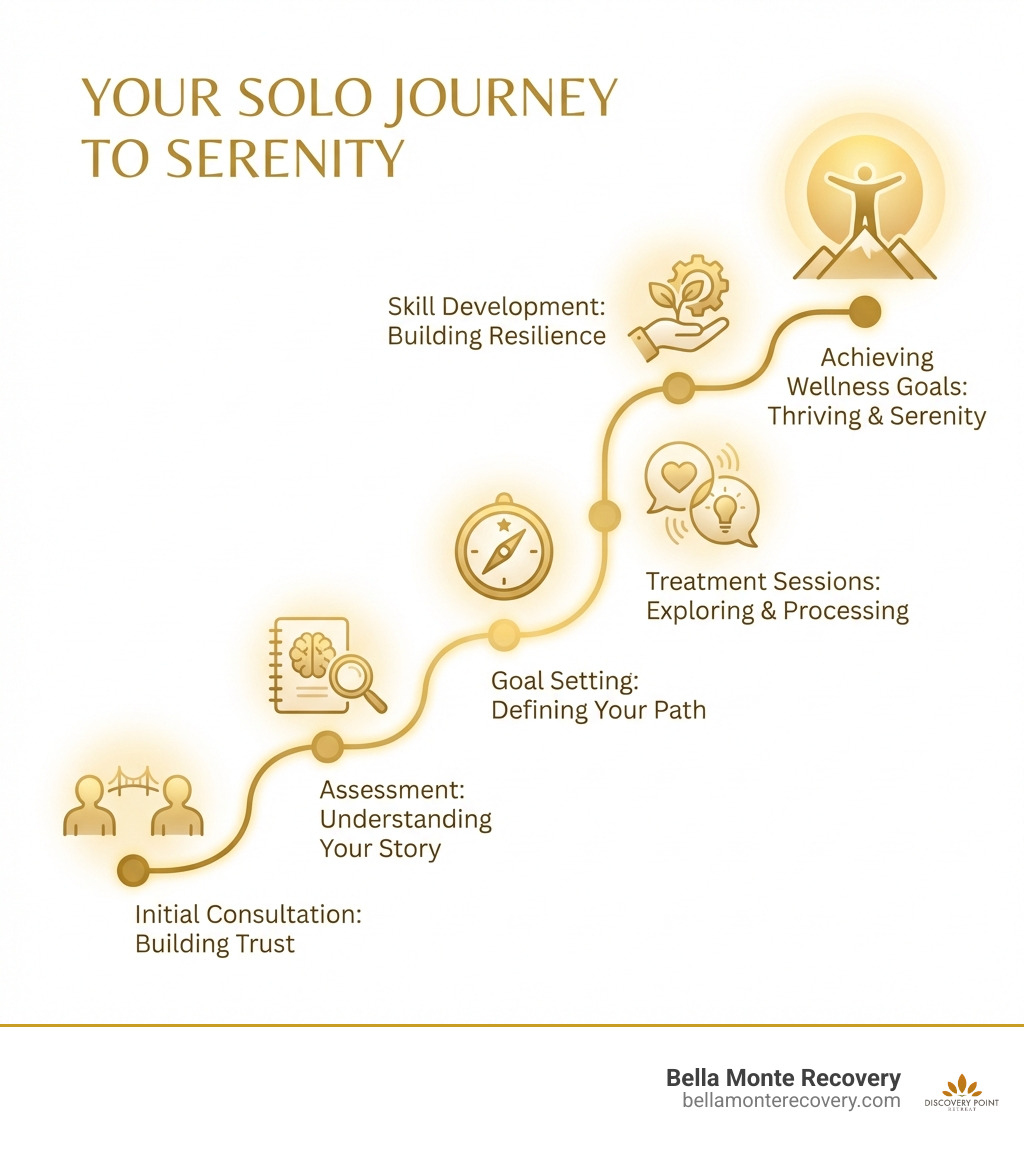
Individual therapy sessions, also known as psychotherapy or talk therapy, are a one-on-one process between you and a trained mental health professional. Unlike casual conversations, this is a structured, confidential relationship designed to facilitate change. It's a collaborative process where your therapist tailors their methods to your unique background and challenges, helping you explore concerns, process experiences, and develop tools to live a healthier life.
The key distinction of individual therapy sessions is the singular focus on you. The therapist's undivided attention allows for a deep dive into personal issues without distraction. This contrasts with:
This intensive, private environment can accelerate personal insights and lead to more profound, lasting change.
| Feature | Individual Therapy | Group Therapy |
|---|---|---|
| Focus | Solely on one individual's needs, goals, and experiences | Group dynamics, shared experiences, peer support |
| Privacy | Maximum privacy; confidential discussions between client and therapist | Shared confidentiality among group members; less private than individual sessions |
| Pace | Custom to individual's pace; can be faster or slower depending on needs | Pace set by group dynamic; may not always align with individual's immediate needs |
| Therapist Attention | Undivided attention from the therapist | Therapist's attention is distributed among group members |
| Depth of Exploration | Allows for deep, in-depth exploration of personal history and complex issues | Focus on interpersonal learning and current issues, less on deep individual past |
| Flexibility | Highly flexible in scheduling and treatment approach | Less flexible, as it involves coordinating multiple individuals |
| Primary Benefit | Personalized treatment, self-awareness, skill development, emotional regulation | Peer support, reduced isolation, social skills, diverse perspectives |
Individual therapy sessions are conducted by licensed mental health professionals with master's or doctoral degrees and extensive training. Common providers include:
You can find more information on providers' credentials from organizations like the National Alliance on Mental Illness. At Bella Monte Recovery, our team consists of experts in these fields.
You don't need to be in a crisis to benefit from individual therapy sessions. It's a powerful tool for anyone seeking to improve their life. It helps with a wide range of concerns, including:
If you're in Southern California and feeling overwhelmed or simply want to understand yourself better, individual therapy offers a path to improved well-being.
Individual therapy sessions offer benefits that extend far beyond symptom reduction, providing a foundation for lasting personal growth and resilience. The primary advantage is personalized attention, where a therapist tailors their approach to your unique background and challenges.

Individual therapy provides a confidential, non-judgmental sanctuary where you can openly explore your deepest fears and rawest emotions. This safety is essential for building trust and exploring sensitive topics. This trust forms the "therapeutic alliance"—the collaborative bond between you and your therapist. Research confirms that the therapeutic process is most effective when this alliance is strong, making you feel safe, heard, and understood.
Therapy equips you with a toolkit of practical skills for life's complexities. You'll learn:
The skills gained in therapy have an enduring impact, with many people reporting improved conditions long after treatment ends. This makes individual therapy a transformative experience for personal growth and a more balanced life.
Knowing what to expect from individual therapy sessions can ease any apprehension about starting. The process is designed to make you feel comfortable and prepared.
Individual therapy sessions typically last 45-60 minutes, often weekly. The total duration varies based on your needs and goals. You may receive "homework" to practice skills between sessions, which, as noted in "What to Expect From Therapy", helps integrate your learning.
Confidentiality is a cornerstone of therapy. Your privacy is protected by strict ethical codes, with a few legally mandated exceptions (like risk of harm or court orders) that your therapist will explain in your first session.
Therapists use a wide array of evidence-based practices in individual therapy sessions, creating custom treatment plans. The American Psychological Association (APA) identifies five main categories of psychotherapy. At Bella Monte Recovery, we often integrate different approaches for holistic treatment.
Often called the "gold standard," Cognitive Behavioral Therapy (CBT) is a popular approach based on the connection between thoughts, feelings, and behaviors. It helps you identify and challenge negative thought patterns to develop healthier behaviors. Research shows CBT is highly effective for depression, anxiety, and substance use, with an enduring effect that reduces the risk of relapse.
Many other powerful approaches are used in individual therapy sessions:
Many therapists use an integrative approach, blending elements to best serve your journey.
Finding the right therapist for your individual therapy sessions is a crucial step. A good fit is paramount for the therapeutic alliance to flourish. Consider these factors:
Use the free initial consultation many therapists offer to assess your comfort level. Online directories like the Psychology Today therapist finder can help you start your search.
Individual therapy sessions are highly effective for many conditions:
Here are answers to common questions about individual therapy sessions.
A single session is typically 45-60 minutes. The overall duration of therapy varies greatly, from a few weeks for short-term issues to a year or more for chronic conditions or deep personal growth. The timeline depends on your progress, the severity of the issues, and your personal goals.
While highly beneficial, it's good to be aware of potential challenges:
These are aspects to be aware of, not reasons to avoid therapy.
It depends on the person and condition. Often, a combined approach of medication and individual therapy sessions is most effective. However, research shows therapy has an enduring effect that reduces relapse risk, even after treatment ends. Unlike medication alone, therapy teaches long-term coping skills that address underlying patterns. For many conditions, therapy is often more effective than psychotropic medication alone. The best path should be decided in consultation with a mental health professional.
Starting individual therapy sessions is a courageous step toward taking control of your mental health. It is a guided journey with a skilled professional dedicated to your well-being. Therapy offers a safe space to develop essential life skills and find lasting relief from conditions like depression, anxiety, trauma, and addiction. It empowers you with self-knowledge, resilience, and coping strategies for a more balanced and fulfilling life.
At Bella Monte Recovery, serving Desert Hot Springs, Palm Springs, and beyond, we believe in the transformative power of personalized, evidence-based care. Our commitment, The Bella Monte Difference, is to provide the support you need to reclaim your life and build a foundation for lasting well-being.
If you're ready to take the first step, we're here to walk alongside you. Explore our comprehensive programs to begin your recovery journey in Southern California.
Wondering if your teen has anxiety? Recognizing the signs of anxiety in teens early is crucial. This article covers physical, emotional, and behavioral symptoms of anxiety in teens and how to address them.
Physical symptoms of anxiety in teens can often be the first indicators that something is amiss. Common physical complaints1 among anxious teenagers include:
These physical manifestations are not merely coincidental; they are direct responses to the stress and anxiety your child is experiencing.
Sleep disturbances are another significant red flag. Teens with anxiety frequently report trouble falling asleep or staying asleep, leading to chronic fatigue and low energy levels throughout the day. This lack of rest can exacerbate other anxiety symptoms, creating a vicious cycle of sleeplessness and stress.
Panic attacks are particularly alarming manifestations of anxiety. During these episodes, teens may experience intense symptoms such as nausea, dizziness, rapid heartbeat, and even feelings of impending doom.
Recognizing these signs early can make a substantial difference in effectively managing and treating a panic attack.
Emotional symptoms of anxiety in teens are often more subtle but equally important to recognize. Excessive worry2, irritability, and mood swings are common emotional indicators that your teen may be struggling with anxiety. These symptoms can be particularly challenging as they might be mistaken for typical teenage behavior.
Teens who experience anxiety often have a persistent sense of nervousness and restlessness. This can manifest as a constant feeling of being on edge or a vague sense of impending doom.
Such anxious feelings can significantly impact a teenager’s life and self-esteem during their teenage years, leading to a cycle of negative thoughts and further extreme anxiety, making them feel self-conscious.
Trouble concentrating is another internal symptom linked to anxiety. This can result in a noticeable decline in academic performance and a reluctance to engage in social interactions, with teens preferring isolation over spending time with friends.
Behavioral changes in your teen can be a clear indicator of underlying anxiety. Potential signs of anxiety include:
Such changes in a child’s behavior can be distressing and warrant closer attention.
Teens with social anxiety disorder might avoid certain situations or places that trigger their anxiety, such as attending school or social gatherings. This avoidance can lead to significant distress and a decline in social interactions, further isolating the teen from their peers.
Failure to address these behavioral changes can result in a decline in academic performance and participation in school activities. Open communication and seeking professional help early on can prevent these issues from escalating and ensure your teen receives the necessary support.
Understanding the common triggers for anxiety in teens3 is essential for prevention and management. Academic pressure is a significant source of stress, with increased demands and expectations leading to heightened anxiety levels and intense pressure. Perfectionism regarding grades, college admissions, and extracurricular activities can further exacerbate this stress.
Social interactions and the pressure to fit in can also be major anxiety triggers. Teens often worry excessively about being seen as incompetent or embarrassing themselves in social situations. The influence of social media and peer comparisons can intensify these feelings, making social anxiety a prevalent issue among adolescents.
Family issues and traumatic events, such as car accidents, are additional triggers that can increase vulnerability to anxiety disorders and anxieties. Recognizing these triggers can help in creating a supportive environment that mitigates anxiety and promotes mental well-being.
Anxiety disorders in teens can take various forms, each with its own set of challenges. Common types of anxiety disorders include:
These mental health disorders can stem from inherited traits or medical conditions, necessitating professional treatment for mood disorders.
Generalized Anxiety Disorder (GAD) is characterized by chronic and excessive worry about everyday life. Teens with GAD4 often experience intense emotional stress, constantly worrying about various aspects of their lives, from school performance to social interactions.
This pervasive anxiety can lead to low self-esteem and significant distress, impacting their overall well-being and daily functioning, often manifesting as excessive fears.
Recognizing these symptoms early can help in managing GAD effectively through appropriate therapies and interventions.
Panic disorder involves recurrent panic attacks5 characterized by intense fear and physical symptoms such as chest pains, rapid heartbeat, and difficulty breathing. These episodes can be terrifying and may occur without warning, leaving teens feeling helpless and overwhelmed.
Repeated panic attacks can significantly impact a teen’s life, leading to avoidance of situations where they fear another attack might occur. Early intervention and treatment are crucial in helping teens manage and overcome panic disorder.
Social anxiety disorder in teens6 causes intense discomfort and embarrassment in social situations. Teens with this disorder may fear being judged or humiliated, leading to significant distress and avoidance of social interactions. These fears can significantly impact their daily lives.
This anxiety can interfere with daily activities, school performance, and relationships, making it challenging for teens to lead a normal social life. Effective treatment can help teens manage anxiety, build confidence, and improve their social skills.
The consequences of untreated anxiety in teens can be severe and far-reaching. Negative emotional effects include feelings of being overwhelmed and increased irritability.
There is a strong correlation7 between untreated anxiety and increased suicidal thoughts or attempts, highlighting how untreated anxiety can affect teenagers and the urgency of early intervention.
Chronic anxiety can lead to depression and various physical health issues, such as heart disease and high blood pressure. Additionally, teens may turn to substance misuse, such as using marijuana, to cope with their anxiety, leading to dependency and further drug use and other mental health concerns.
Untreated anxiety also negatively impacts school success and relationships, often resulting in co-occurring disorders like eating disorders and substance use.
Effective treatments for anxiety in teens can make a significant difference in their lives. Cognitive Behavioral Therapy (CBT)8 is one of the most effective treatments, helping teens change their response to anxiety and develop healthier coping mechanisms. Medications like SSRIs can also be beneficial, especially when combined with therapy.
Bella Monte Recovery Center™ offers specialized programs that integrate dual diagnosis care, addressing both anxiety and co-occurring mental health conditions. Here, we emphasize a trauma-informed approach, ensuring that underlying issues are addressed.
Our team at Bella Monte utilizes evidence-based therapies, including CBT, Dialectical Behavior Therapy (DBT), and group therapy, within a supportive environment to help teens manage their anxiety and improve their overall mental health.
Bella Monte Recovery Center offers a comprehensive approach to treating anxiety. Our center specializes in supporting emotional and psychological well-being through various programs.
We offer detox programs, residential treatment, and dual diagnosis care, ensuring that all aspects of every client's mental health are comprehensively addressed. Our holistic healing practices include:
Our trauma-informed approach at Bella Monte includes:
Here at Bella Monte, we promote a stigma-free environment that emphasizes dignity, respect, and openness. We encourage individuals to seek help without fear of judgment and to sign up for support.
So, if you ready to begin your journey toward freedom and healing, Bella Monte Recovery Center is just a call away.
Common physical symptoms of anxiety in teens include muscle tension, headaches, stomachaches, trouble sleeping, fatigue, and feelings of nausea or dizziness during panic attacks. Recognizing these signs is crucial for addressing anxiety effectively.
If your teen displays excessive worry, irritability, mood swings, or feels a sense of impending doom, these emotional indicators may point to anxiety. Additionally, signs like restlessness, nervousness, difficulty concentrating, and changes in social interactions should not be overlooked.
Behavioral changes like withdrawal from social activities, avoidance of school, compulsive behaviors, and a drop in academic performance can indicate that your teen is experiencing anxiety. It's crucial to address these signs promptly to provide the necessary support.
Academic pressure, social interactions, family issues, traumatic events, and perfectionism are common triggers for anxiety in teens. Recognizing these factors can help in addressing and managing their anxiety effectively.
Recognizing the physical, emotional, and behavioral signs of anxiety in teens is crucial for early intervention and support. Understanding the common triggers and specific anxiety disorders can help parents create a supportive environment for their teens.
The importance of treatment cannot be overstated, as untreated anxiety can lead to severe consequences, including depression, substance misuse, and increased suicidal thoughts.
Bella Monte Recovery Center™ offers specialized care and a stigma-free environment that supports individuals on their journey to recovery. By addressing both anxiety and underlying issues, we provide comprehensive treatment that promotes long-term well-being. If you suspect your teen is struggling with anxiety, don’t hesitate to seek professional help and support.
Anxiolytic dependence happens when someone relies on drugs like benzodiazepines to manage anxiety, leading to potential health risks.
This article defines anxiolytic dependence, covers its symptoms and causes, and explores treatment options. Read on to learn more about managing this condition.
Anxiolytic dependence1 occurs when an individual becomes reliant on an anxiolytic drug, which is a medication used to prevent or treat anxiety symptoms or disorders.
These medications include benzodiazepines, such as Ativan and Xanax, and barbiturates like Amytal and Nembutal. While these earlier anxiolytic drugs are effective in alleviating anxiety, they are often prescribed for short periods due to their habit-forming nature and potential for substance use disorder and anxiolytic use.
The use of anxiolytic medications can quickly lead to a cycle of dependence. These drugs work by reducing arousal and stimulation in the brain, leading to a state of calmness and respiratory depression.
Over time, the body can become accustomed to these effects, necessitating higher doses of CNS depressants to achieve the same level of relief. This is known as tolerance, a hallmark of physical dependence.
Benzodiazepines2, one of the most commonly prescribed classes of anxiolytics, exert their effects by increasing levels of gamma-aminobutyric acid (GABA) in the brain, which helps to produce a calming effect.
However, prolonged benzodiazepine use of these medications can lead to a dependence3 that may last for years, significantly impacting an individual’s quality of life. Benzodiazepine treatment can be an effective option for managing anxiety when used appropriately.
Recognizing the nature of anxiolytic dependence helps in identifying the signs and seeking appropriate help.
The symptoms of anxiolytic dependence are both physical and psychological1. Physically, regular use of these drugs can lead to tolerance, meaning that higher doses are required to achieve the same effect.
Additionally, individuals may experience cravings for the drug and continue using it despite experiencing negative consequences in their personal and professional lives.
Psychologically, dependence on anxiolytics can manifest as a persistent need for the medication to function normally. This may include heightened anxiety symptoms when the drug is not available or when its effects begin to wear off.
As dependence develops, individuals may find themselves caught in a cycle of prescription drug abuse, continually seeking the drug to avoid withdrawal symptoms and maintain a sense of normalcy.
Several factors contribute to the development of anxiolytic dependence. Long-term exposure to sedative-hypnotic drugs can lead to a need for increased dosages to achieve the same effect, which in turn fosters dependence. Genetic predispositions also play a role4, as some individuals may be more susceptible to developing dependence on benzodiazepines.
Mental health history and personal history are other significant factors. Individuals with a history of anxiety disorders, depression, or other mental health issues are at a higher risk of developing dependence on anxiolytic drugs. The use of these medications as a means to self-medicate can quickly escalate into a dependency.
The use of anxiolytic medications in conjunction with other substances like alcohol or illicit drugs also heighten the risk of psychological problems and addiction potential.
Withdrawal from anxiolytic drugs can be a harrowing experience. Physical symptoms may include:
These symptoms can make the withdrawal process extremely uncomfortable and challenging to endure5.
Psychologically, individuals may experience severe anxiety, mood disturbances, and significant sleep problems as the calming effects of the drug wear off.
In some cases, withdrawal can be life-threatening, leading to severe complications like seizures and adverse effects such as delirium tremens, characterized by confusion and hallucinations.
Diagnosing anxiolytic dependence requires a comprehensive assessment that includes the patient’s medical history, substance use patterns, and associated symptoms. Physicians assess physical symptoms, psychological issues, and behavioral difficulties to determine the presence of dependence.
Standardized tools such as the Severity of Dependence Scale (SDS) and specific diagnostic and statistical manual criteria are commonly employed to diagnose anxiolytic dependence. These tools help in providing a structured approach to identifying the extent of dependence and planning appropriate interventions.
Laboratory tests, such as urine or blood screenings, may also be utilized to identify the presence of sedative, hypnotic, or anxiolytic substances in the body. Regular monitoring for signs of dependence is crucial for individuals on long-term anxiolytic therapy to diagnose any emerging issues that can be promptly addressed.
Effective treatment for anxiolytic dependence typically combines non-medical supervision, therapy, and anti-anxiety lifestyle changes. This multifaceted approach ensures that both the physical and psychological features of dependence are addressed.
Treatment options include detoxification, behavioral therapies, and a treatment plan that incorporates disorder treatment, support systems, and aftercare.
The detoxification process is a critical first step in treating anxiolytic dependence. Medical supervision during detox ensures individuals’ safety and comfort during withdrawal. This often involves gradually tapering off the drug to low doses to prevent severe withdrawal symptoms.
Medications can alleviate withdrawal symptoms and reduce discomfort during detox. This method manages withdrawal’s physical aspects, easing the transition into subsequent treatment stages.
Behavioral therapies are integral to treating anxiolytic dependence. Cognitive Behavioral Therapy (CBT) is a primary modality used to address maladaptive thought patterns and behaviors.
Dialectical Behavior Therapy (DBT) is also effective, especially for individuals with co-occurring disorders, helping them manage both addiction and mental health symptoms.
Therapy sessions focus on identifying triggers, developing thought patterns, creating action plans, and building coping skills.
At Bella Monte Recovery Center, we provide a range of therapeutic modalities to comprehensively address anxiolytic dependence.
Support systems and aftercare are crucial for long-term recovery. Key elements include:
Aftercare planning is crucial for sustained recovery, addressing potential relapses and ensuring ongoing support.
Preventing anxiolytic dependence begins with:
Managing co-occurring disorders, or dual diagnoses, is a complex but vital part of treating anxiolytic dependence. Research suggests that around half of individuals with an anxiety disorder may also experience a substance use disorder at some point in their lives6.
This bidirectional relationship means untreated mental health conditions can lead to substance use as a form of self-medication.
Integrated treatment approaches are essential, addressing substance use disorders and mental health conditions simultaneously.
Stopping anxiolytic medications without medical support can be extremely dangerous. Because drugs like benzodiazepines alter brain chemistry, withdrawal can trigger severe anxiety, seizures, or even life-threatening complications.
Medical detox ensures your safety during this critical phase by providing constant monitoring, gradual tapering protocols, and medications that ease discomfort. This process allows your body to stabilize while reducing the risk of complications, giving you the best chance at recovery.
At Bella Monte Recovery Center, we understand how overwhelming it can feel to take that first step. Our medical team specializes in detox for anxiolytic dependence, guiding clients through withdrawal with compassion and expertise.
Detox with us is designed to be safe, supportive, and empowering, helping you prepare for the deeper healing that follows.
Detox is just the beginning of recovery. Once stabilized, true healing requires addressing the root causes of anxiolytic dependence and the co-occurring mental health challenges that often accompany it.
At Bella Monte, every treatment plan is tailored to the individual. It combines evidence-based therapies such as CBT, DBT, and trauma-focused modalities with group therapy, family support, and relapse prevention.
Our therapists help clients develop healthier coping strategies, while our clinical team ensures each step of care is intentional and effective.
To support whole-person healing, we integrate holistic practices such as mindfulness, art therapy, and movement into the recovery journey.
This balance between clinical precision and holistic care creates a treatment experience that restores mental clarity, emotional stability, and physical health.
Choosing where to begin recovery is one of your most important decisions. Bella Monte Recovery Center offers a luxury environment where medical expertise meets compassion.
Our 26-room, resort-style facility in Desert Hot Springs offers healing amenities like mineral hot springs, serene mountain views, and quiet spaces designed to calm the nervous system.
Our team, made up of addiction specialists, therapists, and caring support staff, is here to help. From detox through residential treatment and into aftercare planning, we stay by your side, equipping you with tools for lasting recovery. If you or someone you love is struggling with anxiolytic dependence, help is just one call away.
Anxiolytic drugs are medications, such as benzodiazepines and barbiturates, prescribed to alleviate anxiety symptoms or disorders by calming the brain's arousal and stimulation. Their primary purpose is to provide relief from anxiety.
Anxiolytic dependence is characterized by physical tolerance, cravings, continued use despite adverse effects, and severe anxiety in the absence of the drug.
These symptoms highlight the serious nature of dependence on such medications.
Anxiolytic dependence is diagnosed through a thorough evaluation of medical history and substance use patterns, employing diagnostic tools such as the Severity of Dependence Scale (SDS) and DSM-5 criteria.
This systematic approach ensures an accurate diagnosis and facilitates appropriate treatment planning.
Effective treatment options for anxiolytic dependence comprise medically supervised detoxification, behavioral therapies such as Cognitive Behavioral Therapy (CBT) and Dialectical Behavior Therapy (DBT), and robust support systems in conjunction with aftercare planning. These approaches collectively foster recovery and long-term well-being.
Understanding anxiolytic dependence, its causes, symptoms, and treatment options is vital for anyone affected by this condition.
Comprehensive treatment approaches, including detoxification, behavioral therapies, and support systems, are essential for successful recovery.
Bella Monte Recovery Center offers a holistic and supportive environment to help individuals regain control of their lives. If you or a loved one is struggling with anxiolytic dependence, seeking help is the first step toward recovery.