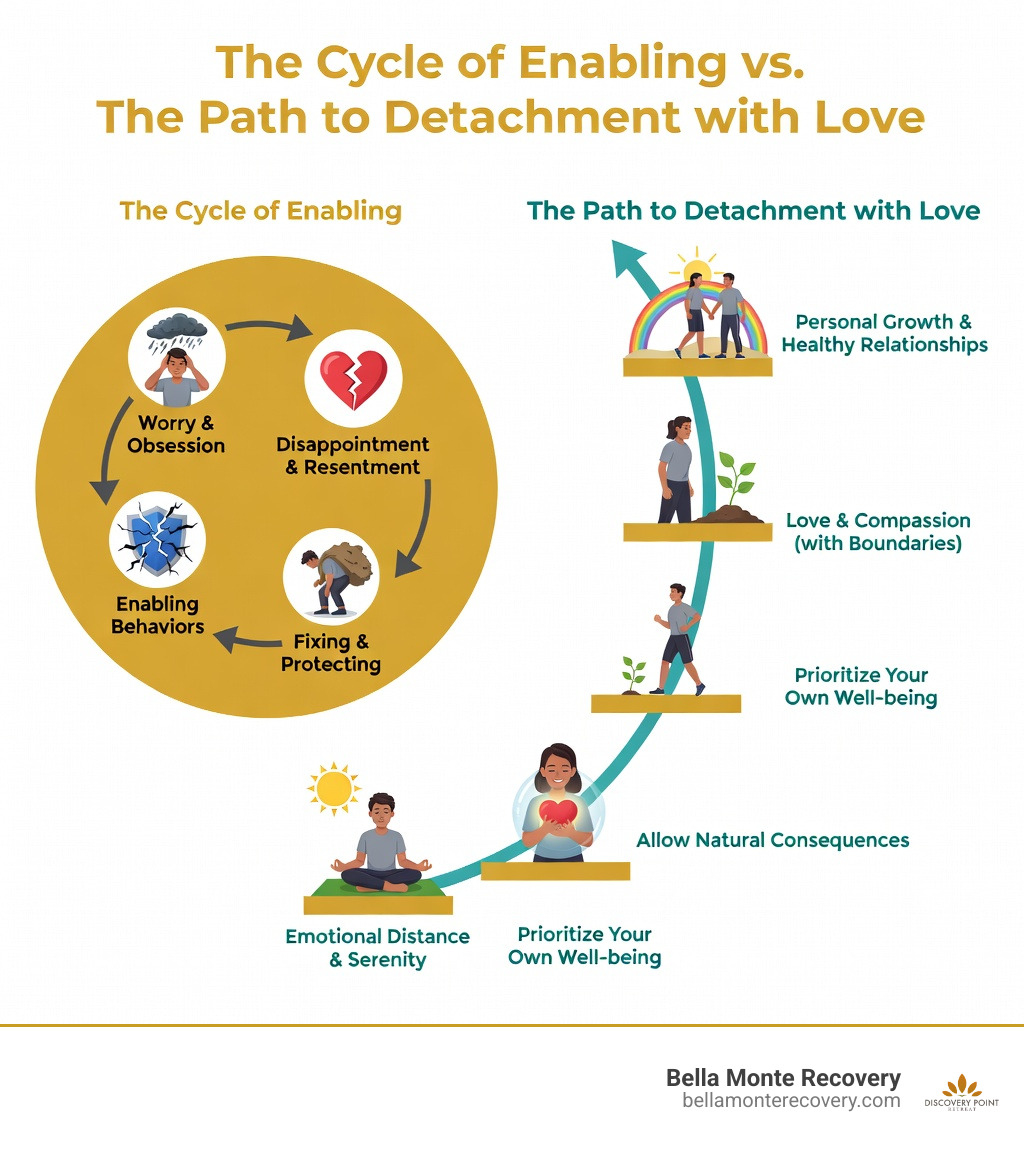
When faced with a loved one's addiction, many people feel overwhelmed. They often find their lives revolving around the choices and actions of another. Detaching with love offers a powerful way to reclaim your peace and foster healthier dynamics. It means:
If you constantly worry about a loved one, feel disappointed by their choices, or find your emotions tied to their "doing well," you are not alone. This emotional rollercoaster can lead to exhaustion, anxiety, and a feeling of being trapped. You may instinctively try to fix, protect, or rescue them. While these actions come from a place of love, they often contribute to codependency and prevent true healing for everyone involved.
This guide will help you understand that detaching with love is not about giving up or abandoning someone. Instead, it's a profound act of self-preservation and a way to encourage responsibility and growth in others. It allows you to break free from cycles of enabling and regain control over your own life, even when someone you care about is struggling with addiction.
The concept of detaching with love isn't just a modern self-help buzzword; it has deep roots in recovery history. It originated within Al-Anon, the support group for families and friends of alcoholics founded in 1951 by Lois Wilson (wife of AA co-founder Bill Wilson). Lois and other early members realized that while the alcoholic was addicted to the bottle, the family was often "addicted" to the alcoholic.
In our experience at Bella Monte Recovery, we see this daily. Family members become so enmeshed in the addict’s life that they lose their own sense of self. Detaching with love means creating emotional distance not to punish the other person, but to protect your own serenity. It is the realization that you are responsible to your loved one (to be honest, kind, and supportive of recovery) but not for them (responsible for their choices, their sobriety, or their happiness).
Detachment with love means caring enough about others to allow them to learn from their mistakes. It is an act of faith that says, "I love you, but I will no longer stand between you and the reality of your situation."
To truly practice this, we must embrace several core concepts:
Understanding how addiction affects the entire family is the first step in realizing why these concepts are so vital for your own survival.
A common fear we hear in Southern California is, "If I detach, am I being mean?" or "Is this just tough love?" The answer is a resounding no. There are distinct differences between these approaches.
| Feature | Detaching with Love | Tough Love | Abandonment / Not Caring |
|---|---|---|---|
| Motivation | Self-preservation & Empathy | Changing the other person | Anger or Indifference |
| Tone | Calm and Compassionate | Harsh or Punitive | Cold and Distant |
| Goal | Personal Serenity | Behavior Modification | Ending the Connection |
| Flexibility | High (Based on Boundaries) | Low (Rigid Rules) | None |
Detaching with love is about your internal state. You can still love the person deeply while refusing to participate in their chaos. Enabling, on the other hand, is "stealing their consequences." When you pay their rent after they spent it on booze, or lie to their boss, you are actually making it easier for them to keep drinking.
If you are struggling with what to do next, it helps to review things not to do if you love an alcoholic.
Codependency is often described as a "fixer" mentality. You might think you're being the hero, but in reality, the helper/fixer is often as much an "addict" as the person using substances. You are addicted to the need to be needed.
The rescue cycle looks like this:
To break this, you must allow for natural consequences. If they sleep through their alarm because they were drinking, don't wake them up. If they are hungover, don't make them soup. It sounds harsh, but it is actually the most respectful thing you can do for an adult. It treats them like a capable person who can handle their own life. As Deepak Chopra suggests in his Law of Detachment, we must allow those around us the freedom to be as they are.

So, how do we actually do this? It’s one thing to read about it; it’s another to stay calm when your loved one comes home intoxicated for the third time this week.
Before you act, ask yourself: "Am I doing this out of love or fear?" If you are nagging them to go to therapy because you're afraid of their next binge, that's control. If they ask for help and you provide a list of resources without making the appointment for them, that's support.
We highly recommend checking in with your feelings often. Are you feeling "uptight and controlling"? That's a sign you've left your "lane" and entered theirs. Use tools like The Change Triangle to identify if you are in a defensive state (like anger or guilt) and work toward returning to your "Cs": Calm, Compassion, and Courage.
Renowned expert Martha Beck suggests this: Write down, "If [Loved One] would only [Action], then I could feel [Emotion]."
Example: If my husband would only stop drinking, then I could feel at peace.
Now, cross out the first half. You are left with: "I could feel at peace." Detachment is realizing you can feel that peace regardless of what they do.
For more guidance, check out our resources on how to help those struggling with substance use.
Boundaries are not for the alcoholic; they are for you. They define what you will and will not tolerate in your space.
Protecting your emotional space is vital. If you need help with the specifics, our family program offers deep dives into boundary-setting.
The fear of relapse is the biggest hurdle to detachment. We often think, "If I stop watching them, they'll die." This is a heavy burden to carry.
Accepting Powerlessness
The first step of the 12-step program is admitting powerlessness. This applies to the family, too. You did not cause the addiction, you cannot control it, and you cannot cure it. Once you accept this, the Serenity Prayer becomes your best friend: accept the things you cannot change (them), and change the things you can (you).
Dealing with Guilt
You might feel guilty for "enjoying your life" while they are suffering. Remember: your misery does not make them sober. In fact, your health and happiness provide a much better model for what a sober life could look like.
Romantic Relationship Challenges
In romantic relationships, detaching with love can be particularly tricky. There is a risk that as you emotionally detach, you may lose romantic attraction. This is a real possibility. However, many find that detachment actually saves the relationship by removing the constant friction and resentment. If the relationship is toxic, detaching gives you the clarity to see it for what it is.
If the situation becomes untenable, you may need to learn how to get an addict into rehab or consult with professionals about an intervention.
Absolutely not. It is actually an act of higher love. Indifference means you don't care what happens to them. Detachment means you care so much that you refuse to participate in their self-destruction. You are separating the person (whom you love) from the behavior (which you hate).
It is most helpful when:
You don't have to do this alone. It is incredibly difficult to change years of codependent habits by yourself.
Detaching with love is not a one-time event; it is a daily practice. Some days you will be the master of your boundaries, and other days you might find yourself hiding car keys or crying over a bottle of vodka. That’s okay. The goal is progress, not perfection.
By reclaiming your personal freedom, you aren't just helping yourself—you are giving your loved one the best possible chance at recovery. When you stop being their "buffer" against the world, they are finally forced to look at their own reflection.
At Bella Monte Recovery, we believe that healing the family unit is just as important as treating the individual. Whether you are in Desert Hot Springs, Palm Springs, or anywhere in Southern California, our team is here to support you. You deserve to live a life that isn't defined by someone else's addiction.
Learn more about our Family Program and start your own journey toward peace today.
Helping a loved one with alcohol dependence can be emotionally complex. Recognizing when drinking becomes addiction, and learning how to get an alcoholic to go to rehab requires patience, empathy, and clear communication.
This guide explores how to identify when professional help is needed, approach difficult conversations, plan interventions, evaluate rehab programs, and provide ongoing support before, during, and after treatment.
Pinpointing when alcohol consumption shifts from social use to clinical addiction is crucial. Early detection of changes in behavior, physical health, and relationships opens the door for timely intervention and helps prevent irreversible damage.
By observing shifts in tolerance, withdrawal symptoms, and the impact on daily responsibilities, you can gather objective evidence that professional treatment is essential.
Recognizing these indicators early allows loved ones to present rehab as a supportive solution, not a punitive judgment.

Behavioral and physical symptoms reveal the progressive nature of alcohol dependency, illustrating how the body and mind adapt to chronic use.
Common behavioral signs include neglecting duties, unpredictable mood swings, and secretive drinking habits. Physically, increased tolerance means needing more alcohol for the same effect, while withdrawal symptoms like tremors, sweating, and nausea can appear within hours of the last drink.
Noticing these symptoms together highlights the biochemical dependency that rehab is specifically designed to address.
Alcohol use warrants professional treatment when consumption patterns lead to persistent impairment or safety risks, as attempting recovery alone carries a higher risk of relapse and severe medical complications.
Key indicators include frequent difficulty controlling intake, persistent cravings, and continued use despite physical harm or legal issues.
When drinking negatively impacts work, health, or relationships, only structured detoxification and therapy, available in a rehab setting, can safely manage withdrawal and teach coping skills to reduce long-term relapse potential.
Research indicates that while many individuals manage to reduce alcohol use, engaging in structured substance abuse treatment significantly increases the likelihood of long-term sustained abstinence1.
Treatment interventions, particularly those involving pharmacotherapy (medication) and behavioral counseling, are essential for teaching coping mechanisms that target the neural and psychological components of addiction, which is vital for reducing long-term relapse potential compared to attempting recovery without professional support.
Assessing alcohol’s impact involves looking beyond individual health to how family, work, and social connections are strained by addiction.
Signs like missed work deadlines, financial difficulties, and broken trust with friends indicate broader damage that professional rehab can help repair through counseling, skill-building, and family therapy.
By mapping these relational disruptions, you can build a compelling case that rehab offers the structured support needed to restore stability and mutual respect.
Persuading someone to seek rehab relies on delivering clear, non-judgmental messages that bridge denial and acceptance, as empathetic communication builds trust and opens avenues for change.
Tailoring your approach with respect, honesty, and specific examples can reduce defensiveness and demonstrate genuine care.
When thoughtful words are combined with patient listening, you can guide a loved one toward acknowledging a problem and committing to professional care.
To encourage rehab, employ communication techniques that validate feelings and highlight tangible consequences rather than resorting to criticism.
These methods increase the likelihood of a receptive conversation by aligning expressions of care with factual concerns. When the individual feels heard and respected, they are more inclined to consider rehab as a viable solution.
Approaching someone with alcohol dependence without triggering resistance requires timing conversations for sober moments and framing rehab as an opportunity for positive transformation.
Begin by calmly sharing your observations, avoiding accusatory language or ultimatums.
Emphasize shared aspirations like improved health, family harmony, or personal goals, and express your willingness to support them through treatment. This approach preserves their dignity, minimizes defensiveness, and encourages voluntary commitment over a confrontational scenario.
Empathy and patience are fundamental to convincing someone to seek help, as they create a safe emotional space and demonstrate unwavering support during a vulnerable decision-making process.
Understanding the fear and ambivalence associated with admitting addiction allows you to respond with reassurance rather than frustration.
By remaining patient through setbacks and acknowledging small steps toward sobriety, you reinforce their motivation and build the trust necessary for a successful transition into rehab.
An alcohol addiction intervention is a carefully structured, collaborative meeting designed to present a unified plan for treatment, as coordinated efforts reduce confusion and increase accountability.
Interventions combine clear evidence of addiction’s impact, personalized appeals, and a pre-determined rehab proposal to guide the individual toward acceptance.
When guided by trained professionals, family and friends can collectively navigate defensiveness and establish constructive boundaries that prioritize care over coercion.
Planning a successful intervention involves distinct stages to ensure readiness, consensus, and professional guidance.
This structured approach minimizes last-minute confusion and maximizes the chance that the individual hears a united, compassionate plea for rehab.
Key participants in an intervention include immediate family members, close friends, and a professional facilitator, as combining personal impact statements with clinical expertise creates a balanced and credible presentation.
Family members offer emotional weight by illustrating the impact on relationships, while a counselor or interventionist provides authority on addiction dynamics and treatment pathways.
Including role models who have successfully completed rehab can also inspire confidence that recovery is achievable.
Resistance during an intervention often stems from fear and denial and can be managed by reaffirming love, restating consequences, and calmly reiterating the treatment plan.
If the individual deflects or becomes defensive, pause to acknowledge their emotions and avoid escalating conflict. Redirect the conversation to specific examples of harm and gently remind them of the agreed-upon next steps.
If resistance continues, establishing clear, compassionate boundaries, such as temporarily withholding certain supports until treatment begins, reinforces the seriousness of the intervention.
Alcohol rehab options span from medically supervised detox to residential inpatient programs and flexible outpatient counseling, as tailoring the setting to the individual’s needs and circumstances optimizes recovery outcomes. Each individual’s journey to recovery is unique, and exploring the various paths available can significantly impact long-term success. For those seeking insights into available choices, a california rehab program overview can provide valuable information on various treatment modalities and support systems. Finding the right fit is crucial, as it fosters a sense of belonging and encourages sustained commitment to sobriety. By considering california residential rehab options, individuals can benefit from immersive environments that prioritize healing and personal growth. These programs often include a combination of therapy, group support, and holistic practices, catering to diverse recovery needs. Engaging in such supportive settings can enhance motivation and resilience, thereby reinforcing the commitment to a sober lifestyle.
Each approach offers a distinct blend of structure, peer support, and professional therapy.
Evaluating program features against the individual’s medical requirements, social commitments, and financial resources ensures a sustainable treatment plan.
Before comparing options, consider the severity of the dependency and the presence of any co-occurring conditions to match the rehab format with the necessary level of care.
| Program Type | Setting | Typical Duration | Key Benefit |
| Inpatient | Residential facility | 28–90 days | 24/7 medical supervision and peer support |
| Outpatient | Evening/day programs | 8–16 weeks | Allows continuity of home life and skill practice |
| Medical Detox | Hospital or clinic | 3–7 days | Safely manages withdrawal under professional supervision |
Rehab programs generally fall into three main categories:
as each stage addresses different aspects of alcohol dependence.
Medical detox focuses on safely managing physical withdrawal symptoms. Inpatient programs offer immersive therapy, life-skill development, and group support. Outpatient services combine weekly counseling and educational sessions, allowing participants to maintain family and work responsibilities.
Choosing the right combination of these components ensures both safety and long-term skill development.
Selecting an appropriate rehab facility involves comparing its accreditation, staff qualifications, therapeutic approaches, and overall atmosphere, as these factors significantly influence treatment effectiveness and the individual’s comfort.
Prioritize accredited programs that provide personalized care plans, evidence-based therapies (like cognitive-behavioral therapy), and qualified medical oversight.
Visiting potential centers to assess cleanliness, privacy, and the peer community can help determine if the environment will foster genuine recovery.
Professional rehab treatment offers a combination of medical monitoring, psychological counseling, and peer support that significantly increases the chances of sustained sobriety. These programs provide individuals with the tools and coping strategies necessary to navigate the challenges of recovery. By participating in trusted addiction recovery programs, clients gain access to a network of support that fosters accountability and resilience. Ultimately, the comprehensive approach of these treatments helps build a strong foundation for long-term success in sobriety.
Medical detoxification prevents dangerous withdrawal complications, while individual and group therapy address underlying issues and teach effective coping strategies.
Aftercare planning and alumni networks further reinforce new skills. This comprehensive approach is far more effective at reducing relapse rates than isolated or unstructured attempts at quitting.
Involuntary commitment becomes a necessary measure when an individual’s severe addiction poses an immediate risk of self-harm or endangers others, as it ensures access to structured treatment when voluntary admission is not an option.
Legal statutes vary by location, but all require proof that the person lacks the capacity to choose treatment and exhibits harmful behaviors. This pathway balances individual rights with the safety and well-being of the community.
Criteria for involuntary rehab admission typically include documented evidence of severe intoxication or withdrawal risk, an inability to manage basic needs, and recent instances of self-neglect or harm.
A medical evaluation must confirm a lack of decision-making capacity, and legal standards require sworn statements from healthcare professionals or family members.
Meeting these requirements authorizes authorities to mandate treatment for the individual’s own protection and public safety.
The involuntary commitment process begins with an assessment by a qualified clinician who evaluates mental capacity and immediate risk factors. If the criteria are met, a petition is filed with a court or mental health board, followed by a hearing where evidence and expert testimony establish the need for mandated treatment.
Upon approval, the individual is admitted to a licensed facility under court order, with periodic reviews to determine their readiness for discharge.
Ethical considerations surrounding involuntary commitment involve balancing individual autonomy with the principle of beneficence, as compelling treatment challenges personal freedom but can prevent life-threatening outcomes.
Safeguards such as judicial oversight, time-limited orders, and appeal rights protect individual liberties.
Ensuring compassionate care and ongoing assessment of capacity helps maintain ethical standards while providing critical support to those unable to seek help voluntarily.
At Bella Monte Recovery Center, we understand that taking the first step toward recovery, especially when it involves helping a loved one, can be one of life’s most emotional challenges. From the moment you contact us, we assist with intervention planning, admissions coordination, and pre-treatment education to ensure a smooth and supportive transition into care.
Our alcohol rehab center combines medically supervised detoxification, individual and group therapy, and holistic recovery activities designed to heal both body and mind. Each treatment plan is customized to address the root causes of alcohol dependence while promoting emotional stability and personal growth. In addition to our alcohol rehab services, our drug rehab center explained offers a comprehensive approach that integrates various therapeutic modalities to ensure a well-rounded recovery experience. We focus on equipping individuals with the tools necessary to manage cravings and prevent relapse, fostering resilience and empowering them to rebuild their lives. Our dedicated team is committed to providing continuous support throughout the recovery journey, ensuring that each client feels understood and valued.
Located in the serene desert landscape of Desert Hot Springs, California, our environment fosters calm, reflection, and genuine healing.
At Bella Monte, we believe recovery is most successful when families heal together. We offer structured family therapy sessions, educational resources, and ongoing communication throughout the treatment process.
Loved ones learn how to set healthy boundaries, rebuild trust, and provide meaningful encouragement without enabling addictive behaviors.
Our team works closely with families before, during, and after treatment to create a unified approach that strengthens long-term recovery outcomes.
Whether you’re supporting someone entering detox, participating in therapy updates, or preparing for their discharge, Bella Monte ensures you’re never left without guidance. This collaborative care model empowers both clients and families to move forward with confidence and compassion. Contact today to book a confidential consultation.
Consistent support before, during, and after rehab is essential for reinforcing recovery, as ongoing encouragement and practical assistance bolster motivation and help prevent relapse.
Pre-treatment support focuses on preparing logistics and managing expectations, in-rehab support involves maintaining contact and affirming progress, and post-rehab assistance offers relapse prevention strategies and community resources.

Offering emotional support during rehab includes regular check-ins, positive affirmations, and active listening to help the individual feel valued and understood.
Letters, phone calls, and visits (when permitted) convey care and encouragement. Celebrating milestones, such as completing detox or the first therapy session, reinforces commitment and builds confidence in long-term success.
Encouraging long-term sobriety after rehab completion relies on developing a relapse prevention plan, which involves identifying triggers, establishing coping mechanisms, and maintaining accountability through support groups or therapy.
Promoting participation in peer-led meetings, exercise routines, and engaging in vocational or educational pursuits helps replace old habits with positive activities that sustain motivation.
Bella Monte Recovery Center offers a comprehensive continuum of care, including intensive outpatient services and an active alumni support network. These programs provide accountability, mentorship, and community connection long after residential treatment concludes.
Families and caregivers can access a variety of support resources, including counseling services, educational workshops, and peer networks, that provide communication skills, boundary-setting techniques, and self-care strategies.
Structured family therapy, support hotlines, and local community groups offer guidance on navigating emotional challenges and fostering a healthy environment for ongoing recovery.
Common obstacles in securing commitment to rehab include denial, logistical hurdles, and apprehension about treatment, as each challenge can impede progress and increase relapse risk.
Overcoming these difficulties requires tailored strategies that acknowledge concerns, offer practical solutions, and emphasize positive outcomes.
Effectively addressing denial and resistance involves acknowledging the individual’s fears while consistently presenting clear evidence of harm.
Encourage self-assessment activities, such as journaling about regrettable incidents, to foster personal insight.
If direct confrontation proves ineffective, consider involving a neutral third party, like a counselor, to reframe the conversation in clinical terms rather than relying solely on emotional appeals.
Managing relapse risks during the transition to rehab and early recovery involves establishing a structured safety plan.
This includes identifying high-risk situations, arranging for immediate check-ins, and securing commitment to coping strategies such as mindfulness or physical activity.
Encouraging enrollment in outpatient aftercare and maintaining regular therapy sessions creates a safety net that can promptly address cravings and emotional triggers.
Maintaining patience and persistence without enabling addiction requires setting clear, compassionate boundaries that distinguish between support and tolerance of harmful behaviors.
Offer assistance, like transportation to treatment, while refusing to shield them from consequences that reinforce denial, such as covering missed financial obligations. This balanced approach communicates unwavering care while upholding the accountability necessary for genuine recovery.
Convincing someone to seek help for alcohol addiction requires empathy, patience, and understanding. Focus on honest, non-judgmental conversations that highlight specific examples of harm and express genuine concern.
Avoid confrontation or blame, and instead, present rehab as an opportunity for positive change. When necessary, a professional interventionist can help guide the discussion and improve the chances of acceptance. Offering support and reassurance can foster an open dialogue that encourages the individual to consider the benefits of rehabilitation. It's essential to emphasize how to enter rehab successfully by highlighting the importance of commitment and the potential for personal growth. Providing information about treatment options and sharing success stories can further motivate the person to embrace this life-changing decision.
Start by gathering a small, supportive group of family and close friends who can communicate compassionately and stay on message.
Consult an addiction professional or intervention specialist to plan the structure, timing, and tone of the meeting. Prepare clear, heartfelt statements that express concern, list observed behaviors, and present a prearranged treatment option, ideally at a trusted facility ready for admission, such as Bella Monte Recovery Center.
Yes. Most major health insurance providers, including private plans, Medicaid, and ACA-compliant policies, offer coverage for alcohol detox and rehabilitation. The extent of coverage can vary by plan, but many include both inpatient and outpatient treatment. our admissions team will help verify your insurance benefits quickly and explore flexible payment options to make care accessible.
Rehab options types include medical detox, inpatient residential programs, and outpatient therapy. Medical detox safely manages withdrawal symptoms, while inpatient programs provide structured, 24-hour therapeutic care.
Outpatient services offer flexibility, allowing individuals to balance recovery with daily responsibilities.
At Bella Monte Recovery Center, each treatment plan is personalized to match medical needs, mental health status, and lifestyle goals.
Families play a vital role in recovery. Before rehab, they can help manage logistics and provide emotional reassurance. During treatment, staying in touch through visits, calls, and letters helps maintain connection and motivation.
After rehab, families can encourage participation in therapy, aftercare, and peer support groups. Bella Monte Recovery Center also offers family counseling and education programs to strengthen relationships and promote lasting sobriety.
Recovery from alcohol addiction is a journey that begins with recognition, progresses through compassionate persuasion and structured intervention, and continues with informed program selection, legal safeguards when necessary, and steadfast post-treatment support.
By applying these strategies with thoughtfulness and persistence, you can guide a loved one toward embracing rehab and achieving lasting sobriety. Understanding how to approach a loved one about their addiction can be challenging, but it's essential to create a compassionate and open dialogue. Encourage them to express their feelings and fears, and listen without judgment, as this fosters trust and connection. Remember, your support can make a significant difference in their journey toward recovery.
The information in this article is meant for educational and informational purposes only. It should not replace professional medical advice, diagnosis, or treatment. Bella Monte Recovery Center offers clinically proven, evidence-based programs, but individual results and treatment timelines may vary.
If you or a loved one is dealing with alcohol addiction, please reach out to Bella Monte Recovery Center’s admissions team for a confidential consultation.
Our licensed clinicians can evaluate your needs and help you start a safe, personalized recovery plan without delay.
The length of inpatient alcohol rehab varies depending on each individual’s unique circumstances, ranging from short detox programs to comprehensive 90-day or longer residential stays.
Factors such as the severity of alcohol dependence, co-occurring mental health conditions, and personal recovery goals all play a role in determining the ideal treatment length.
At Bella Monte Recovery Center, every client receives a personalized care plan that combines trauma-informed therapy, holistic healing, and evidence-based treatment to support lasting recovery.
This guide explores the typical durations of inpatient rehab, explains why treatment length is so important, and helps you determine the best option for long-term sobriety and well-being.
Inpatient alcohol rehab1 is a residential treatment program that provides 24/7 medical supervision and structured therapy in a secure environment. These programs are designed to help individuals detox safely while addressing the underlying psychological issues related to addiction. Many facilities also offer trusted rehabilitation services for addiction, combining physical health with emotional and mental well-being. This holistic approach ensures that patients have the best chance of recovery and long-term sobriety. Inpatient rehab explained involves a comprehensive treatment strategy that not only focuses on detoxification but also incorporates therapy sessions, group counseling, and life skills training. This multifaceted approach equips individuals with the tools they need to cope with triggers and stressors post-treatment. By fostering a supportive community, patients are encouraged to share their experiences, which can significantly enhance their recovery journey.
By combining medically supervised detoxification, evidence-based therapies, and holistic wellness interventions, inpatient care stabilizes withdrawal symptoms, addresses underlying trauma, and promotes healthy coping skills.
For example, patients enter a residential facility, complete detox under nursing oversight, engage in individual and group counseling, and build relapse-prevention strategies before transitioning to less intensive care.
Residential alcohol treatment includes several integrated components that support recovery:
These elements work together to build a strong foundation for ongoing recovery and prepare clients for life after discharge.

Residential alcohol treatment encompasses medical, psychological, and social interventions delivered in a 24-hour setting. The process begins with detoxification to reduce alcohol in the bloodstream, followed by individual psychotherapy to explore triggers and maladaptive patterns.
Group therapy sessions foster peer support and accountability, while family counseling repairs relationships.
Complementary therapies such as meditation and nutritional counseling address physical health and stress management. This comprehensive approach enhances emotional resilience and equips patients with coping tools.
Medically supervised detox addresses the acute withdrawal phase with medications and clinical monitoring, typically lasting 7–14 days. Because withdrawal severity varies by duration and quantity of alcohol use, detox can extend the overall inpatient stay when complications arise.
For instance, prolonged or severe alcohol dependence often requires extended detox oversight to prevent seizures or delirium tremens. Ensuring safe detoxification reduces relapse risk and sets the stage for effective therapy in the remaining residential treatment period.
Around-the-clock supervision creates a safe and structured environment where healing can start without distractions or risks.
With licensed medical and clinical staff available at all times, any medical issues, withdrawal symptoms, or emotional crises can be addressed right away.
This constant support makes sure clients stick to medication and therapy schedules, maintain accountability, and stay focused on their recovery goals. On-site counselors are also available to help individuals deal with cravings, anxiety, or emotional distress as they occur.
At Bella Monte Recovery Center, 24/7 supervision not only protects physical stability but also encourages emotional security. This support helps clients build confidence, resilience, and trust in the recovery process.
The length of inpatient alcohol rehab varies widely depending on each person's unique needs, the severity of addiction, co-occurring mental health conditions, and personal recovery goals. Programs can range from two-week detox stays to comprehensive, year-long residential treatments aimed at long-term stability and growth.
At Bella Monte Recovery Center, treatment plans are tailored after a thorough assessment, making sure each client gets the right level of structure, therapy, and support for sustainable recovery.
While most clients participate in 30-, 60-, or 90-day programs, longer stays beyond three months are available for those needing more in-depth healing, trauma integration, or ongoing clinical supervision.
Each program duration provides different benefits and milestones, as shown below.
| Program Duration | Primary Focus | Therapeutic Components | Key Outcomes |
| 30 Days (Short-Term Program) | Medical stabilization and early recovery foundations | Medically supervised detox, initial individual and group therapy, relapse-prevention planning, introduction to holistic practices (mindfulness) | Safe detoxification, improved physical stability, basic coping, and relapse prevention skills |
| 60 Days (Intermediate Program) | Emotional awareness and behavioral restructuring | Cognitive-behavioral therapy (CBT), trauma-focused counseling, skill-building workshops, nutrition, and wellness integration | Enhanced emotional regulation, deeper self-insight, and development of sustainable coping mechanisms |
| 90 Days (Comprehensive Program) | Comprehensive healing and lifestyle transformation | Dual-diagnosis therapy, trauma-informed care, family therapy sessions, experiential and expressive therapies | Strong relapse-prevention foundation, trauma integration, healthier routines, restored confidence, and purpose |
| Beyond 90 Days (Extended or Long-Term Program) | Sustained transformation and community reintegration | Ongoing psychotherapy, vocational and educational support, life-skills development, peer mentorship programs | Long-term sobriety, improved independence, stable reintegration into personal, family, and professional life |
Longer stays allow individuals to fully process the emotional and behavioral roots of addiction while gradually rebuilding essential life skills and healthy habits.
Studies consistently show that longer durations in structured rehab settings lead to stronger recovery outcomes, as clients gain more time to internalize positive changes and establish lasting stability2.
At Bella Monte Recovery Center, every treatment timeline is flexible, guided by progress, readiness, and ongoing clinical assessment, ensuring that each person’s journey to sobriety is both personalized and sustainable.
A 30-day program typically lasts exactly 30 consecutive days, beginning with medical detox3 and moving into therapy and educational groups. Individuals with mild to moderate alcohol use disorder, strong external support networks, and fewer co-occurring conditions often benefit most from this duration.
The concise timeline provides stability, essential coping tools, and an introduction to sober communities, serving as a springboard for further care such as intensive outpatient services.
Sixty-day treatments allow two full months for clients to immerse themselves in therapeutic modalities, explore underlying issues, and practice new behaviors under supervision. This intermediate duration supports more thorough emotional processing, stronger habit change, and the development of healthy routines.
Clients report improved stress management, deeper insight into triggers, and more confidence in sustaining sobriety upon discharge.
Evidence from substance-abuse research indicates that a minimum of 90 days in treatment significantly reduces relapse rates and enhances long-term recovery. Ninety-day programs integrate extended trauma-informed therapy, family systems work, and life-skills coaching, offering ample time to rewire cognitive and behavioral patterns.
Clients who complete three-month stays demonstrate greater emotional stability and social reintegration compared to shorter interventions.
Long-term residential rehab, extending past 90 days, is recommended for individuals with severe alcohol dependence, significant co-occurring mental health disorders4, repeated relapses, or extensive trauma histories.
These extended stays enable sustained therapeutic engagement, comprehensive life-rebuilding services (vocational training, relationship repair), and gradual community reintegration.
For complex cases, longer durations foster more profound healing and stronger relapse-prevention skills.
Several clinical, psychological, and practical factors determine how long inpatient alcohol rehab lasts for each individual. Severity of addiction, co-occurring mental health conditions, treatment history, personal motivation, and financial or insurance constraints all play pivotal roles.
The table below outlines key factors influencing program duration:
| Influencing Factor | Effect on Length | Decision Point |
|---|---|---|
| Addiction severity | More severe cases require extended stays | Clinical assessment of alcohol use patterns |
| Co-occurring disorders | Dual diagnosis often extends treatment | Integrated mental-health evaluation |
| Past treatment history | Multiple relapses may necessitate longer care | Review of prior program outcomes |
| Motivation & readiness | High commitment can shorten or focus stay | Motivational interviewing results |
| Insurance & finances | Coverage limits may cap available days | Verification of benefits and payment options |
The intensity of alcohol dependence, measured by daily consumption, withdrawal history, and physical health complications, directly influences program length.
Severe alcohol use disorder often entails complicated detoxification, higher medical risk, and deeper behavioral change needs, extending residential stays.
Clinicians evaluate withdrawal severity and organ health to determine appropriate detox and therapy timelines.
Clients with co-occurring mental health conditions, such as depression, anxiety, PTSD, or bipolar disorder, need integrated, dual-diagnosis treatment that addresses both addiction and psychological well-being at the same time.
Treating these conditions together ensures balanced recovery and lowers the risk of relapse.
Because this dual-focus approach involves specialized therapies like EMDR (Eye Movement Desensitization and Reprocessing), medication management, and trauma-informed counseling, treatment schedules often extend to allow for complete stabilization and deeper emotional healing.
Key impacts of dual-diagnosis treatment on rehab duration:
A history of multiple rehab attempts or relapses usually points to deeper issues that need longer-term intervention.
Clinicians carefully review past program experiences, relapse triggers, and gaps in aftercare to create a plan that fixes previous problems and strengthens relapse-prevention strategies.
Extended stays allow for:
Insurance coverage limits, deductibles, and payment capacity can limit the number of available treatment days. Verifying benefits beforehand helps clients understand approved durations and out-of-pocket responsibilities.
Financial assistance programs or sliding-scale options may extend stay length when coverage is limited, ensuring continuity of care.
At Bella Monte Recovery Center, inpatient alcohol rehab is not a one-size-fits-all process. Each program is tailored to match the client’s unique clinical profile, recovery goals, and progress during treatment. Our experienced team evaluates every individual's needs to ensure the most effective treatment plan is crafted. As a premier drug rehab center explained, this personalized approach enhances the chances of lasting recovery and fosters a supportive environment that promotes healing. We understand that successful rehabilitation involves a holistic understanding of each person's journey, incorporating their experiences and aspirations into the recovery process.
Our team uses thorough assessments, trauma-informed care, and holistic wellness practices to ensure that every client receives the right level of intensity and support at each stage of recovery.
This flexible approach enables treatment plans to evolve as healing progresses, striking the right balance of structure, depth, and adaptability to foster long-term sobriety and sustainable change.

Evidence-based methods such as CBT5 to help clients process trauma, manage emotions, and build resilience against relapse. These therapies tackle the root causes of addiction, promoting emotional healing alongside behavioral change.
Our clinical team, comprising medical directors, licensed therapists, and holistic specialists, customizes every aspect of treatment. This includes the program length, therapy mix, and recovery milestones.
We regularly review progress to ensure the plan continues to meet each client’s changing needs.
We ensure a smooth transition from medical detox to inpatient therapy through coordination. This continuity reduces anxiety, builds trust, and helps clients remain engaged in their recovery journey.
We include nutrition planning, mindfulness, and art therapy to restore physical health and inner balance. By addressing the mind, body, and spirit, clients lay the groundwork for lasting wellness beyond sobriety.
Families actively participate throughout treatment. They take part in therapy and education to strengthen home support.
Before discharge, clients receive a personalized aftercare plan that includes outpatient therapy, relapse-prevention strategies, and community resources to help them maintain progress after leaving residential care.
Recovery doesn’t stop when residential treatment ends; it turns into a lifelong journey of growth, connection, and resilience.
At Bella Monte Recovery Center, aftercare planning starts early in treatment to make sure every client leaves with a structured and confidence-building plan for ongoing success.
Our continuum of care connects inpatient rehab with independent living, reinforcing accountability, relapse-prevention skills, and emotional stability long after discharge.
Personalized aftercare and ongoing support can generally include:
Clients attend therapy sessions three to five days a week while handling daily responsibilities. IOP keeps up therapeutic accountability and consistent clinical engagement during early reintegration.
For those needing more structure, PHP offers full-day therapy and medical oversight without overnight stays, providing a balanced step-down level of care.
Bella Monte collaborates with trusted sober living homes and sets up alumni support groups to encourage peer accountability, mentorship, and a sense of community.
Ongoing family therapy promotes healthy communication and trust, enabling loved ones to provide meaningful support throughout the long-term recovery process.
Our dedicated case managers conduct regular check-ins, coordinate outpatient care, and provide virtual support sessions. This ensures that every client remains connected, supported, and confident in their new sober lifestyle.
Selecting the optimal program duration involves evaluating clinical needs, personal goals, support systems, and practical constraints. Ask about clinical assessments, therapy modalities, staff credentials, and aftercare planning. Consider your readiness to engage, any co-occurring conditions, and insurance coverage. A transparent admissions team will guide you toward the length that balances effectiveness and feasibility.
Making an informed choice about a rehab center ensures that treatment days are neither too few to address core issues nor unnecessarily prolonged, optimizing resources and recovery outcomes.
These questions clarify how duration is tailored and what to expect during and after rehab.
High motivation and willingness to engage in therapy can shorten stays by accelerating progress, while ambivalence or unresolved trauma often necessitate longer care.
Honest self-reflection and readiness assessments help clinicians recommend durations that match individual engagement levels and support sustained recovery.
Inpatient alcohol rehab typically lasts 30, 60, or 90 days. The duration depends on the severity of the addiction, any mental health issues, and the progress made in recovery. Some clients may need to stay longer than 90 days to achieve full stability and stronger relapse prevention.
A 30-day program provides an important foundation for detox, stabilization, and early behavioral therapy. However, research shows that programs lasting 60 to 90 days or more significantly improve long-term sobriety, emotional control, and overall recovery success.
The length of rehab is based on several factors, including addiction history, mental health conditions, past trauma, and engagement in treatment. Clinical teams at Bella Monte regularly assess progress and readiness to help each client transition safely and confidently.
Longer programs give clients more time to learn coping skills, address underlying trauma, and change daily habits. Studies show that each additional 30 days in treatment can lower the risk of relapse by up to 20%. This highlights the benefits of extended care.
Yes. Clients with dual diagnoses, like PTSD, depression, or anxiety, often need longer, integrated treatment that addresses both addiction and mental health. Treating these issues together results in a more thorough and lasting recovery.
At Bella Monte Recovery Center, treatment plans are customized based on detailed assessments, trauma-informed therapy, and ongoing progress evaluations. This tailored approach ensures that each client receives the optimal balance of structure, depth, and time for long-term healing.
Recovery thrives when treatment length aligns with clinical needs, personal commitment, and support systems. By understanding how long inpatient rehab for alcohol typically lasts and why duration matters, you can take confident steps toward lasting sobriety with Bella Monte Recovery Center's compassionate, expert guidance.
To explore personalized inpatient alcohol rehab durations and begin your recovery journey, reach out to Bella Monte Recovery Center's admissions team for a confidential assessment.
Experienced clinicians will explain program structures, duration recommendations, financial options, and next-step planning, ensuring you or your loved one receives the right level of care, tailored to unique needs and recovery goals.
The information in this article is meant for educational and informational purposes only. It should not replace professional medical advice, diagnosis, or treatment. Bella Monte Recovery Center offers clinically proven, evidence-based programs, but individual results and treatment timelines may vary.
If you or a loved one is dealing with alcohol addiction, please reach out to Bella Monte Recovery Center’s admissions team for a confidential consultation.
Our licensed clinicians can evaluate your needs and help you start a safe, personalized recovery plan without delay.
Alcohol use can have a significant impact on people living with ADHD. While alcohol is often used as a way to relax or cope, it can actually worsen ADHD symptoms, increase impulsivity, and raise the risk of developing alcohol use disorder.
In this article, we’ll explore the complex relationship between ADHD and alcohol, the risks involved, and how drinking can interfere with treatment. One important aspect to consider is the influence of adhd symptoms and substance use on daily functioning. Individuals may struggle with impulse control and decision-making, leading them to consume substances in ways that exacerbate their symptoms. Understanding this relationship is crucial for developing effective interventions and support strategies.
You’ll also learn about effective treatment options and strategies for managing both conditions, so you or your loved one can make informed choices and find the right support for long-term recovery.
The connection between ADHD (Attention-Deficit/Hyperactivity Disorder) and alcohol use disorder (AUD) is both significant and concerning. A 2011 study1 published in The European Journal of Psychiatry showed that there is a high risk that people with ADHD will experience alcohol misuse or dependence at some point in their lives.
This elevated risk stems from traits commonly associated with ADHD, including impulsivity, difficulty with decision-making, and the constant search for stimulation, all of which can make alcohol more appealing and harder to control. Individuals with ADHD may also face alcoholrelated seizure risks explained by the impact of alcohol on neurological functioning. The potential for increased seizures highlights the importance of understanding how alcohol can exacerbate existing challenges. Addressing these risks is crucial for managing both ADHD symptoms and alcohol consumption effectively.
Children and adolescents with ADHD tend to be particularly vulnerable. Research2 indicates they often start to drink earlier and engage in heavier patterns of consumption as they grow older. While ADHD itself does not directly cause alcohol use disorder, it functions as a major risk factor for substance use disorder, especially in those with more severe or untreated symptoms.
Recognizing this link aids in both prevention and intervention. Early detection and targeted support can mitigate the risks associated with ADHD and alcohol use.

Alcohol can have particularly harmful effects for people with ADHD, intensifying many of the challenges they already face. Research3 shows that alcohol impairs attention, impulse control, and decision-making, and individuals with ADHD may be more sensitive to these impairments than those without the condition.
Even at low blood-alcohol levels, drinking can reduce focus, slow reaction times, and increase impulsivity4. For people with ADHD, who already struggle with distractibility and inhibition, alcohol can make it even harder to manage daily responsibilities. Studies5 confirm that adults with ADHD experience greater alcohol-related disinhibition compared to control groups.
ADHD is closely tied to difficulties with planning, organization, and controlling impulses. Alcohol further weakens these executive functions, magnifying ADHD vulnerabilities. This combination often leads to poor judgment, emotional swings, and risky behaviors that interfere with work, relationships, and long-term goals related to executive function.
People with ADHD are at greater risk6 of problematic alcohol use and substance-use disorders. Alcohol, therefore, not only worsens core ADHD symptoms but also increases vulnerability to co-occurring mental health challenges.
A 2018 study7 published in The Lancet Public Health found that chronic heavy drinking is strongly associated with cognitive decline and dementia, particularly early-onset dementia. While findings on moderate alcohol intake are mixed, the evidence is clear that long-term heavy use significantly harms brain health and functioning.
For individuals with ADHD, who may already face cognitive vulnerabilities, these risks can be especially damaging.
Alcohol can also interfere8 with ADHD treatment. Stimulant medications such as methylphenidate may interact with alcohol, altering drug metabolism and increasing the risk of side effects.
ADHD medications, particularly stimulant drugs like methylphenidate (Ritalin, Concerta) and amphetamines (Adderall, Vyvanse), are highly effective in reducing core symptoms such as inattentiveness, hyperactivity, and impulsivity. However, when combined with alcohol, these medications can create dangerous and sometimes life-threatening interactions.
Combining medications with alcohol can result in a range of negative effects, posing serious threats to an individual’s well-being9. The rapid release of long acting stimulants when mixed with alcohol further increases the risk of overdose, especially for those taking ADHD medication.
The dangers of mixing alcohol with ADHD medications are not limited to stimulants. Even non-stimulant medications can cause significant side effects, such as drowsiness and low blood pressure, when consumed with alcohol. These interactions can exacerbate the symptoms of both ADHD and alcohol use disorder, making it crucial for individuals on ADHD medication to avoid drinking alcohol, especially heavily.
The tendency to self-medicate with alcohol is common among individuals with ADHD. From a young age, many people with ADHD may turn to alcohol as a way to self-regulate their symptoms. The impulsivity associated with ADHD makes individuals more prone to impulsive drinking, using alcohol as a means to manage their impulsivity and emotional dysregulation.
However, self-medication with alcohol can lead to a vicious cycle of increased reliance and worsened symptoms.
Individuals may initially use alcohol as a coping mechanism, but over time, this behavior exacerbates their ADHD symptoms, leading to greater impulsive behaviors and more significant challenges in managing daily life.
Recognizing this cycle is key to breaking free from alcohol dependence and discovering healthier ways to manage ADHD symptoms.

Alcohol consumption has both immediate and prolonged effects on individuals with ADHD. In the short term, alcohol can lead to impulsive behaviors and reduced focus, complicating the management of ADHD symptoms.
Over time, long-term alcohol use may result in significant alcohol impairment, further exacerbating the challenges faced by those with ADHD due to sustained mental effort.
The immediate effects of alcohol on individuals with ADHD can be particularly detrimental. Shortly after consumption, alcohol can lead to reduced coordination and impaired judgment, making everyday tasks more challenging. The initial feeling of increased energy from alcohol may quickly give way to drowsiness and a loss of control, masking the true impact of alcohol’s effects.
These short-term effects can significantly worsen ADHD symptoms by impairing cognitive functions such as attention, memory, and impulse control. The result is a compounding of difficulties that complicate daily functioning and increase the risk of accidents and poor decision-making. Awareness of these immediate effects helps individuals with ADHD make informed choices about alcohol use.
The long-term effects of alcohol on individuals with ADHD are even more concerning. The development of alcohol addiction is a significant risk, with long-term consumption posing serious health and safety risks. Withdrawal symptoms from long-term alcohol use can be severe and potentially fatal, emphasizing the importance of professional treatment and support.
Long-term alcohol consumption also heavily impacts judgment and lowers inhibitions, contributing to dangerous behaviors, including binge drinking, excessive drinking, and poorer outcomes.
The consequences of untreated ADHD combined with prolonged alcohol use can intensify over time, leading to heightened anxiety symptoms, depression10 and disrupted emotional functioning.

Addressing co-occurring ADHD and alcohol use disorders requires a comprehensive treatment approach that tackles both conditions simultaneously. Since both ADHD and alcohol use disorder often fuel one another, treating just one leaves gaps that can lead to relapse.
A person with ADHD who stops drinking but still struggles with impulsivity, anxiety, or distractibility may find sobriety difficult to maintain. Similarly, someone treating only ADHD symptoms without addressing alcohol misuse risks worsening health and stability.
The best outcomes come from integrated care programs that address both ADHD and alcohol use together. With professional guidance, individuals can reduce reliance on alcohol, learn healthier coping skills, and discover effective strategies to manage ADHD symptoms in daily life.
Successful treatment for ADHD diagnosis and alcohol abuse disorder requires an integrated approach that considers the interplay between the two.
Instead of treating them in isolation, programs must address underlying trauma, emotional regulation, and cognitive challenges simultaneously. For instance, managing impulsivity and poor planning with behavioral therapy while also providing safe detox for substance abuse and relapse-prevention planning can create lasting results.
This dual-focus strategy often combines medication management, cognitive-behavioral therapies, and holistic supports like mindfulness, exercise, and structured routines.
Therapy is one of the most powerful tools for managing both ADHD and alcohol use. Beyond symptom relief, therapy helps individuals build healthier ways of thinking, coping, and connecting with others.
By addressing both the behavioral and emotional aspects of ADHD and alcohol misuse, therapy lays the groundwork for lasting recovery.
At Bella Monte Recovery Center, we know how overwhelming it can feel to manage ADHD while also battling alcohol use. Our drug and alcohol detox program in Desert Hot Springs, CA is designed to meet you exactly where you are, offering a safe and supportive space to begin your recovery journey.
Surrounded by the serene desert landscape of Desert Hot Springs, California, our treatment center provides both comfort and privacy, allowing you to focus fully on healing.
Here, you’ll find more than just symptom management. Our team helps you uncover the underlying causes of addiction, whether trauma, mental health challenges, or environmental stressors, and equips you with the tools to create lasting change.
With 24/7 medical supervision, evidence-based therapies, and holistic practices like mindfulness and meditation, we design individualized treatment plans that support the whole person. Whether you need medical detox, residential treatment, or dual diagnosis care, we offer the expertise and compassion to help you rediscover stability, strength, and hope.
Recovery often begins with detox, the critical first step in breaking free from alcohol or drug dependence. the importance of alcohol detox strategies cannot be overstated, as they lay the groundwork for a successful recovery journey. Implementing effective detox methods not only helps alleviate withdrawal symptoms but also fosters a safer environment for individuals to confront their challenges. By understanding and utilizing these strategies, individuals can significantly enhance their chances of long-term sobriety. For those seeking lasting change, alcohol rehab programs in California provide a supportive environment tailored to individual needs. These programs often incorporate therapy, counseling, and holistic approaches to foster long-term recovery. Accessing such resources can significantly enhance the journey towards sobriety and personal growth.
At Bella Monte Recovery, our medical detox program is designed to ensure both safety and comfort during the withdrawal process. With round-the-clock monitoring from our addiction specialist physician and nursing team, you’ll have the care and reassurance you need every step of the way.
Detox isn’t just about cleansing the body; it’s about preparing for the deeper healing that begins in residential treatment.
After detox, many clients continue their journey in our residential treatment program, where a structured, supportive environment allows them to focus entirely on recovery.
Free from outside distractions, you’ll find a balance of evidence-based care, holistic healing, and restorative amenities in a peaceful, resort-like setting.
At Bella Monte, we believe healing happens on every level, physical, emotional, mental, and spiritual.
For clients facing ADHD, depression, anxiety, or trauma alongside alcohol use disorder, Bella Monte offers integrated dual diagnosis treatment.
By treating substance use and mental health together, we create the strongest foundation for lasting recovery.
Recovery doesn’t end when you leave our doors. With step-down planning, alumni support, and ongoing care, Bella Monte makes sure you have the tools and community to maintain sobriety long after treatment.
You don’t have to face addiction alone. We are here 24/7 to help you or your loved one begin a path toward healing, stability, and hope.
Whether you need detox, residential treatment, or dual diagnosis care, our compassionate team is ready to walk with you every step of the way. Call us anytime on 888-964-5373 or email admissions@bellamonterecovery.com.
Your recovery journey can start today.
Individuals with attention deficit hyperactivity disorder (ADHD) are at greater risk for alcohol use disorder primarily due to their impulsivity, poor decision-making, and increased need for stimulation. These factors can lead to self-medication and a higher likelihood of engaging in risky behaviors. Additionally, the mental health impacts of party drugs can further exacerbate the challenges faced by individuals with ADHD. The use of these substances often leads to heightened anxiety and mood swings, which can complicate the already delicate balance of managing their symptoms. As a result, understanding the interplay between substance use and mental health is crucial for effective treatment strategies.
Alcohol consumption can exacerbate inattentiveness, impulsivity, and poor decision-making, ultimately complicating the management of ADHD symptoms. It is advisable for individuals with ADHD to limit or avoid alcohol to mitigate these effects.
Mixing ADHD medications with alcohol poses significant risks, including dizziness, drowsiness, heart issues, and an increased risk of overdose. It is crucial to avoid this combination to ensure your safety and well-being.
ADHD adult patients often turn to alcohol as a means to manage impulsivity and regulate their symptoms, yet this self-medication can result in increased dependency and exacerbation of their condition.
Bella Monte Recovery Center provides integrated treatment options tailored to address both ADHD and alcohol use disorders, utilizing specialized programs and diverse therapeutic approaches to support individuals in their recovery journey.
The relationship between ADHD and alcohol use disorder is complex and multifaceted. Alcohol can significantly worsen ADHD symptoms, and individuals with ADHD are at greater risk for developing alcohol use disorders.
Effective treatment requires a comprehensive and integrated approach that addresses both conditions simultaneously. Bella Monte Recovery Center offers a range of specialized programs and therapies designed to support individuals on their recovery journey, providing hope and healing for a brighter future.
The information in this article is provided for general educational and informational purposes only and should not be taken as medical advice, diagnosis, or treatment.
Bella Monte Recovery Center™ does not provide clinical guidance through this content and assumes no responsibility for reliance on the information presented. Always consult a qualified healthcare provider before starting, stopping, or changing any medical treatment.
Reading this article does not create a doctor–patient or provider–client relationship with Bella Monte Recovery Center™. If you are experiencing a medical emergency, call 911 immediately. For professional support with addiction treatment, contact our admissions team.
Accutane (isotretinoin) is a powerful medication commonly prescribed for severe acne, but it also carries strict safety guidelines. One of the most important precautions is avoiding alcohol while on accutane. Mixing the two can significantly strain your liver, worsen side effects, and even impact your mental health.
In this article, we’ll break down why alcohol and accutane are a dangerous combination, the potential health risks you should know about, and practical steps you can take to ensure your treatment is both safe and effective.
Accutane1, also known as Isotretinoin, is a potent medication primarily reserved for treating severe acne cases. This acne medication is specifically prescribed for severe nodular acne that hasn’t improved with other treatments like antibiotics.
Taking isotretinoin is considered a last resort for many due to its powerful effects and potential side effects.
Accutane works by shrinking the sebaceous glands, which decreases the amount of oil they produce, and helps to normalize the shedding of skin cells, preventing them from clogging pores.
This dual action of reducing oil production and preventing clogged pores is why accutane is so effective for stubborn acne cases that other medications can’t touch.
Additionally, its anti-inflammatory properties contribute to reducing acne lesions and overall skin inflammation, making it effective in treating severe acne

Accutane is a potent medication used to treat severe acne. Its primary mechanism involves affecting the sebaceous glands, leading to decreased sebum or oil production2. This reduction in oil production is key to preventing the clogged pores that lead to acne lesions.
Accutane helps in battling acne through multiple mechanisms:
The combination of these effects makes accutane a powerful tool in the fight against severe acne.
Combining accutane with alcohol while taking it can lead to severe health risks, particularly stressing the liver and increasing blood lipid levels. Alcohol consumption during accutane treatment can exacerbate liver toxicity, making it essential to avoid alcohol intake during this period.
Drinking alcohol while on accutane can also intensify common side effects such as dry skin, dry mouth3, and joint pain, negatively affecting overall health. The combination of the two substances, can make these side effects more severe and harder to manage.
Avoiding alcohol during accutane therapy is essential to prevent.

Combining accutane with alcohol can significantly elevate liver enzyme levels, indicating an increased risk of potential liver damage. This is a serious concern as elevated liver enzymes can lead to further complications4 such as liver inflammation and scarring.
Moderate alcohol use during accutane treatment can lead to severe liver complications or liver damage. Regular blood work is essential to monitor liver health while using accutane, as liver function can be significantly compromised when patients consume alcohol.
Alcohol, being a central nervous system depressant, can intensify mood changes5. This can lead to severe mental health issues, including exacerbated depression and anxiety. For individuals already struggling with severe acne, alcohol may worsen mental health challenges, leading to further complications.
Avoiding alcohol is crucial for maintaining emotional stability during accutane treatment.
Alcohol consumption can exacerbate common accutane side effects6, amplifying their severity and leading to adverse effects. This heightened risk can make the treatment experience more challenging and uncomfortable for patients.
Alcohol may prolong accutane treatment by necessitating higher doses or extended periods, making it crucial to avoid alcohol for a smoother and more effective treatment course.
Alcohol intake can negatively impact how well accutane is absorbed in the body2. This reduced absorption can undermine the effectiveness of the treatment, making it harder to achieve the desired results.
Combining alcohol with accutane can lead to a prolonged treatment duration or the need for higher doses. This not only extends the treatment period but also increases the risk of side effects and complications.
Abstaining from alcohol during and for at least one month after accutane treatment is recommended to ensure the medication works effectively.

Each person’s response to accutane and alcohol can vary based on their unique medical history.
Individuals with existing liver conditions need to exercise more caution when considering drinking alcohol while on accutane. Blood work may be necessary to assess liver function before consuming alcohol during accutane treatment.
Discussing any alcohol-related concerns with healthcare providers and maintaining open communication is crucial for monitoring side effects and adjusting treatments. Regular blood tests, staying hydrated, and incorporating healthy fats from sources like avocados and nuts can help manage accutane’s side effects.
Using broad-spectrum sunscreen is crucial to protect sensitive skin while undergoing treatment. A balanced diet and healthy lifestyle are important factors when managing accutane treatment.
Host a mocktail night with friends to enjoy social interaction without alcohol. Engage in activities focused on connection, such as playing games or having themed nights.
Cooking new recipes can be an enjoyable activity to engage in while not consuming alcohol. Engaging in hobbies like arts and crafts can be a fulfilling way to spend time without alcohol.
Exploring nature through activities like gardening can enhance well-being while avoiding alcohol. Common alternatives that don’t involve alcohol include beach bonfires, movie nights, and bowling.
Participating in community events can provide social interaction without the need for alcohol.
Struggling with alcohol use while managing your health can feel overwhelming, but you can get professional and confidential help today. At Bella Monte Recovery Center, we provide compassionate, evidence-based treatment that addresses not only alcohol addiction but also the underlying trauma and co-occurring mental health challenges that often accompany it.
Located in the peaceful desert setting of Desert Hot Springs, California, our facility offers privacy, comfort, and a supportive environment where clients can begin the healing process.
From safe medical detox to residential rehab and ongoing aftercare planning, we walk with you every step of the way. With 24/7 support, holistic healing practices, and trauma-focused care, Bella Monte equips you with the tools to reclaim your life and build lasting sobriety.
Detoxing from alcohol can be one of the hardest steps, but it’s also one of the most important. At Bella Monte, our medical detox program is designed to keep you safe, comfortable, and supported as your body clears alcohol.
Our addiction specialist physician and clinical team provide round-the-clock monitoring, easing withdrawal symptoms and reducing health risks.
Once detox is complete, the real work of recovery begins. Our residential treatment program provides structure, therapy, and community in a serene, resort-like environment. With programs lasting 30–90 days, clients can fully focus on their recovery without outside distractions or triggers.
Here, you will receive tailored care and find a community that understands, supports, and inspires you every day.
At Bella Monte, we recognize that alcohol use often co-occurs with conditions like anxiety, depression, ADHD, or trauma. That’s why we specialize in dual diagnosis treatment, integrating care for both substance use and mental health disorders. This approach creates a stronger, more sustainable recovery.
By treating the whole person, we provide the tools and confidence to live a fulfilling life free from alcohol.
If you or a loved one is struggling with alcohol addiction, you don’t have to wait another day to get help. Our compassionate team is here 24/7 to support you. Reachout today.
It is crucial to avoid alcohol while on accutane, as it significantly elevates the risk of severe side effects and potential liver damage. Prioritizing your health is essential during this treatment.
To effectively manage dry skin while on accutane, focus on staying hydrated, incorporating healthy fats into your diet, and consistently using broad-spectrum sunscreen. These strategies can alleviate dryness and protect your skin.
Bella Monte Recovery Center provides holistic care for alcohol addiction that focuses on physical, mental, spiritual, and emotional health, along with ongoing support for relapse prevention and life skills development.
This comprehensive approach ensures clients receive well-rounded assistance during their recovery journey.
Navigating accutane treatment requires a comprehensive understanding of the potential risks and necessary precautions. Avoiding alcohol while on accutane is crucial to protect liver health, maintain mental stability, and ensure the effectiveness of the treatment.
By following the tips provided and seeking support when needed, patients can manage their accutane treatment safely. The journey to clearer skin is challenging but achievable with the right knowledge and support.
The information in this article is provided for general educational and informational purposes only and should not be taken as medical advice, diagnosis, or treatment.
Bella Monte Recovery Center™ does not provide clinical guidance through this content and assumes no responsibility for reliance on the information presented. Always consult a qualified healthcare provider before starting, stopping, or changing any medical treatment.
Reading this article does not create a doctor–patient or provider–client relationship with Bella Monte Recovery Center™. If you are experiencing a medical emergency, call 911 immediately. For professional support with addiction treatment, contact our admissions team.
Detoxification, or detox, is the process of removing harmful toxins from the body, crucial for those dealing with addiction.
It’s the essential first step in managing withdrawal symptoms and starting the path to recovery. This guide will cover what detox involves, how it works, and its importance in addiction treatment.
Detoxification1 is the body’s natural method of purging itself of harmful substances. It’s the first and most crucial step in addiction treatment, helping individuals break free from the grip of substance abuse.
The primary goal of detox programs is to minimize the physical harm that can occur when someone stops using drugs or alcohol.
Medical detox, which involves the supervision of onsite medical professionals, ensures that withdrawal symptoms are managed safely and effectively. Without professional assistance, detoxing can be dangerous, as severe withdrawal symptoms like delirium tremens2 can occur.
During the detox process, the body works to metabolize and excrete the toxins that have built up from substance use. Medical detox plays a significant role in enhancing both physical and mental health by reducing the risks associated with substance withdrawal. The body often responds intensely and quickly because it has become dependent on the substance, making medical supervision critical to manage these reactions.
Effective detox programs ensure that this process is as safe and comfortable as possible, paving the way for a successful recovery.
There are many misconceptions about detox programs that can mislead individuals seeking help. A common myth is that detox diets can “flush out toxins” and promote rapid weight loss. In reality, there is no strong scientific evidence to support these claims.
The body already has highly effective systems, primarily the liver, kidneys, lungs, and skin, that naturally eliminate toxins. Detox diets not only lack proven benefits but can also lead to nutrient deficiencies, dehydration, and other health risks, particularly when followed for extended periods.
Another myth is that detox products are a quick fix for substance abuse, but in reality, they can cause more harm than good. The liver and kidneys naturally detoxify the body, and professional detox programs are designed to support this process safely and effectively.
Detox programs are specialized treatments aimed at helping individuals rid their bodies of harmful substances. These programs can vary widely, from medical detox, which is essential for safely managing severe withdrawal symptoms, to holistic detox programs that incorporate alternative therapies like acupuncture.
Choosing the right detox program is crucial for a successful recovery journey.
Medical detox is a vital component of addiction treatment, especially for individuals experiencing severe withdrawal symptoms. This process involves medical supervision to address both the physical and mental health needs of patients.
Medical professionals may prescribe medications to help manage withdrawal symptoms and ensure a safe detoxification process.
Inpatient detoxification is often necessary for individuals with complicated medical or psychiatric conditions.
Consulting with a physician before attempting to quit drugs or alcohol cold turkey is highly recommended to determine the safety and appropriateness of a medically managed inpatient program alcohol detox program.
Holistic detox programs take a comprehensive approach to detoxification by incorporating alternative therapies, including colonic irrigation, that promote overall wellness. At Bella Monte Recovery Center™, individuals can benefit from practices such as mindfulness and experiential activities.
These holistic therapies aim to address not only the physical aspects of detox but also the emotional and psychological components. Holistic detox programs integrate these practices to help individuals achieve a balanced and healthy recovery.
While some individuals may consider home detox as a convenient option, it carries significant risks, including the potential for severe withdrawal symptoms like delirium tremens. Home detox kits often lack professional oversight and can be ineffective and unsafe.
Professional detox programs provide integrated care that addresses both substance use and mental health disorders. The comprehensive support and medical supervision available in professional detox center settings and treatment centers make them the safer and more effective choice for detoxing.
Withdrawal symptoms are the body’s reaction to the absence of substances on which it has become dependent. These symptoms can range from mild to life-threatening and can be a major obstacle to overcoming substance use disorders. Anyone undergoing detox should understand the withdrawal process and the associated physical and mental symptoms.
Detoxification alone does not resolve the psychological or social issues associated with substance use, highlighting the need for comprehensive treatment during detox.
Physical withdrawal symptoms during detox can include:
These symptoms can be severe cases and may require further information to relieve symptoms effectively.
The presence of medical supervision during detox is crucial to address these risks and ensure the safety and comfort of the individual. Physical withdrawal symptoms can be a significant barrier to the detox process, making professional support indispensable.
Mental withdrawal symptoms are equally challenging and can include anxiety, depression, irritability, and intense cravings for the substance. These psychological symptoms are often the result of changes in brain chemistry due to withdrawal. Comprehensive care and professional support are essential to address these mental symptoms effectively.
Without proper management, mental withdrawal symptoms can complicate the recovery journey and increase the risk of relapse.
Managing withdrawal symptoms effectively requires a combination of medication-assisted treatment and medical supervision. Medications can significantly ease the discomfort associated with drug withdrawal symptoms, making the detox process safer and more comfortable.
At Bella Monte Recovery Center™, continuous medical monitoring ensures that any emerging complications are identified and addressed promptly. This level of support is crucial for a healthy recovery and for minimizing the adverse effects of detox.
Trying to detox from alcohol or drugs without medical supervision can be dangerous, and for some, even life-threatening. Withdrawal symptoms often bring intense physical pain, emotional distress, and serious health risks such as seizures, delirium tremens, or extreme depression.
A professional detox facility provides the medical care, safety, and comfort needed during this critical first step of recovery. It’s not just about removing substances from the body; it’s about doing it in a way that protects your health and prepares you for lasting change.
At Bella Monte Recovery Center™, our drug and alcohol detox programs in California are designed to help clients navigate this delicate stage with dignity, compassion, and round-the-clock medical support. Our addiction specialist physician and experienced clinical team create personalized detox plans that address each person’s physical, mental, and emotional needs. Through our comprehensive approach, we ensure that clients receive the tools and resources necessary for a successful recovery journey. Our California drug detox services emphasize not only physical detoxification but also emotional and psychological support, fostering a safe and nurturing environment. By integrating holistic therapies with traditional medical care, we empower individuals to reclaim their lives and build a strong foundation for lasting sobriety.
By beginning recovery in a professional, safe, and nurturing environment, you give yourself the strongest foundation possible for long-term healing.
When you arrive at Bella Monte Recovery Center™, you are welcomed into a calm and healing space that feels more like a retreat than a hospital. Breathtaking valley views surround our 26-room resort-style facility in Desert Hot Springs and offer comforting amenities such as a natural mineral hot spring pool, Jacuzzi tubs, and tranquil outdoor gathering spaces.
While the environment is serene, it is also medically equipped and staffed 24/7, ensuring that every stage of detox is safe, closely monitored, and tailored to your needs.
Beyond physical safety, our detox program focuses on whole-person healing. We offer a blend of evidence-based therapies (CBT, DBT, individual and group counseling) along with holistic supports like meditation and mindfulness practices.
This unique balance helps address not only the body’s withdrawal but also the deeper mental and emotional layers of addiction. You are never alone here; our compassionate team walks beside you, offering encouragement, guidance, and the assurance that you are cared for at every step.
Call Bella Monte Recovery Center™ at 877-328-0637 to begin your safe, supported detox journey.
Detox is just the beginning of recovery, and at Bella Monte Recovery Center™, we are committed to helping you build a lasting foundation. Our experienced team provides personalized care and evidence-based therapies tailored to your unique needs. As a leading palm springs addiction treatment facility, we create a supportive environment where you can heal and grow. Together, we will help you develop the tools necessary for long-term success and well-being.
Following detox, many clients transition into our residential treatment program, where structure, therapy, and community create the conditions for deep healing.
Our program typically lasts 30–90 days, giving you time to rebuild your life with the support of a dedicated care team. Every treatment plan is individualized, ensuring that you receive the therapies, activities, and tools that match your personal journey.
Our integrated approach also includes dual diagnosis treatment, weekly trauma work for all clients, and comprehensive case management to coordinate medical, legal, and aftercare needs. We don’t just focus on short-term sobriety; we help prepare you for long-term resilience by connecting you with trusted aftercare partners and alumni support. At Bella Monte, you will find a team that truly does whatever it takes to see you succeed.
Don’t wait another day. Reach out to Bella Monte Recovery Center™ today.
The detox process at Bella Monte Recovery Center™ is designed to provide comprehensive and compassionate care. Located in Desert Hot Springs, California, just minutes from Palm Springs, Bella Monte Recovery Center™ is a trusted and nationally recognized provider of addiction treatment. With a focus on individual needs, the center offers a variety of desert hot springs detox programs that cater to different substance use challenges. Patients can expect a serene environment that promotes healing and recovery, complemented by experienced staff dedicated to guiding them through each step of the detoxification process. Bella Monte Recovery Center™ aims to empower individuals on their journey to sobriety, ensuring they feel supported and understood throughout their treatment.
The initial assessment at Bella Monte Recovery Center™ involves a comprehensive evaluation to tailor a detoxification plan to each patient’s unique needs. This first stage in recovery is crucial for identifying the specific challenges and requirements of each individual.
A thorough assessment allows the medical team to create a detox plan tailored to both the physical and psychological aspects of addiction. This personalized approach ensures that patients receive the most effective care possible.
Medical supervision is a cornerstone of the detox process at Bella Monte Recovery Center™. Patients receive:
This level of medical supervision is essential for addressing any health issues that may arise and for providing a supportive environment for recovery.
The transition from detox to residential treatment is a critical phase in the recovery process at Bella Monte Recovery Center™. This seamless transition ensures that patients continue to receive the support and care they need as they move into a more structured treatment facility in an inpatient setting.
Detox is essential in addiction treatment as it helps remove toxins from the body, enabling individuals to break free from substance dependence and prepare for a healthier recovery. It lays the foundation for the healing process.
Common withdrawal symptoms during detox include physical signs such as fatigue, vomiting, and seizures, alongside mental symptoms like anxiety, depression, and cravings. Recognizing these symptoms is essential for effective management and support.
Medical supervision during detox is crucial as it allows for safe management of withdrawal symptoms, minimizing the risk of severe complications and fostering a supportive atmosphere for recovery.
Professional detox programs provide medical supervision and comprehensive care, ensuring safety and effectiveness that home detox methods often lack. This structured approach greatly enhances the likelihood of successful long-term recovery.
Aftercare support is crucial for maintaining long-term sobriety, as it offers continuous encouragement and accountability through therapy, support groups, and alumni programs, thereby significantly reducing the risk of relapse.
Detoxification is a crucial first step in the journey to recovery from substance abuse. Understanding the detoxification process, recognizing the importance of professional detox programs, and being aware of the potential withdrawal symptoms are essential for a healthy recovery.
Bella Monte Recovery Center™ offers comprehensive and supportive detox programs that include medical supervision, holistic therapies, and seamless transitions to residential treatment. The benefits of professional detox programs, such as safety, comprehensive care, and long-term recovery planning, cannot be overstated.
Continuing the recovery journey through aftercare, alumni programs, and healthy habits ensures sustained sobriety and overall well-being. Remember, recovery is possible, and with the right support, you can achieve lasting freedom and healing.