Rehabilitation centers provide a structured, supportive environment designed to help individuals overcome substance use disorders and rebuild healthy lives. By integrating medical care, evidence-based therapy, holistic healing, and comprehensive aftercare planning, these centers pave the way toward sustained sobriety and personal renewal. Understanding how rehab centers work can ease the apprehension many individuals and families […]
Rehabilitation centers provide a structured, supportive environment designed to help individuals overcome substance use disorders and rebuild healthy lives. By integrating medical care, evidence-based therapy, holistic healing, and comprehensive aftercare planning, these centers pave the way toward sustained sobriety and personal renewal.
Understanding how rehab centers work can ease the apprehension many individuals and families feel when seeking professional help for addiction or co-occurring mental health challenges.
In this guide, we’ll walk through the types of rehab programs available, explain what happens during admission, and offer a glimpse into daily life in treatment. You’ll also discover how long rehab typically lasts, why trauma-informed care is essential, and the relapse prevention strategies that make recovery sustainable.
At Bella Monte Recovery Center, every treatment plan blends expert medical detoxification, personalized therapy, and round-the-clock clinical support in a nurturing environment dedicated to healing both mind and body.
Key Takeaways
- Rehab centers combine medical detox, therapy, and holistic care to treat addiction safely and effectively.
- Program types include inpatient, outpatient, and partial hospitalization (PHP/IOP).
- Personalized treatment plans target both addiction and underlying trauma or mental health conditions.
- Daily schedules balance therapy, wellness, and rest to support emotional stability.
- Long-term success depends on aftercare, relapse prevention, and family involvement.
What Are the Different Types of Rehab Programs?
Rehab programs are designed with varying levels of intensity, settings, and structures to cater to a wide spectrum of clinical needs and personal circumstances. These programs can range from outpatient services providing flexibility for those balancing work and treatment, to intensive inpatient options for those needing more comprehensive support. For individuals seeking specific information, many facilities provide California rehab program details that outline their approaches, success rates, and available therapies. This transparency helps potential clients make informed decisions that align with their recovery goals. Moreover, understanding the specific elements of various programs is crucial for tailoring the recovery journey to individual needs. By exploring california rehabilitation program details, prospective clients can identify the best fit for their unique situations, ensuring a more effective and personalized treatment experience. Additionally, many facilities offer virtual consultations to further assist in this decision-making process, making it easier for individuals to access the right support.
The selection of the most suitable program hinges on factors like the severity of the addiction, specific medical requirements, and the presence of underlying trauma, ensuring a path to recovery that is uniquely tailored to each individual.
What Is Inpatient Rehab and How Does It Work?
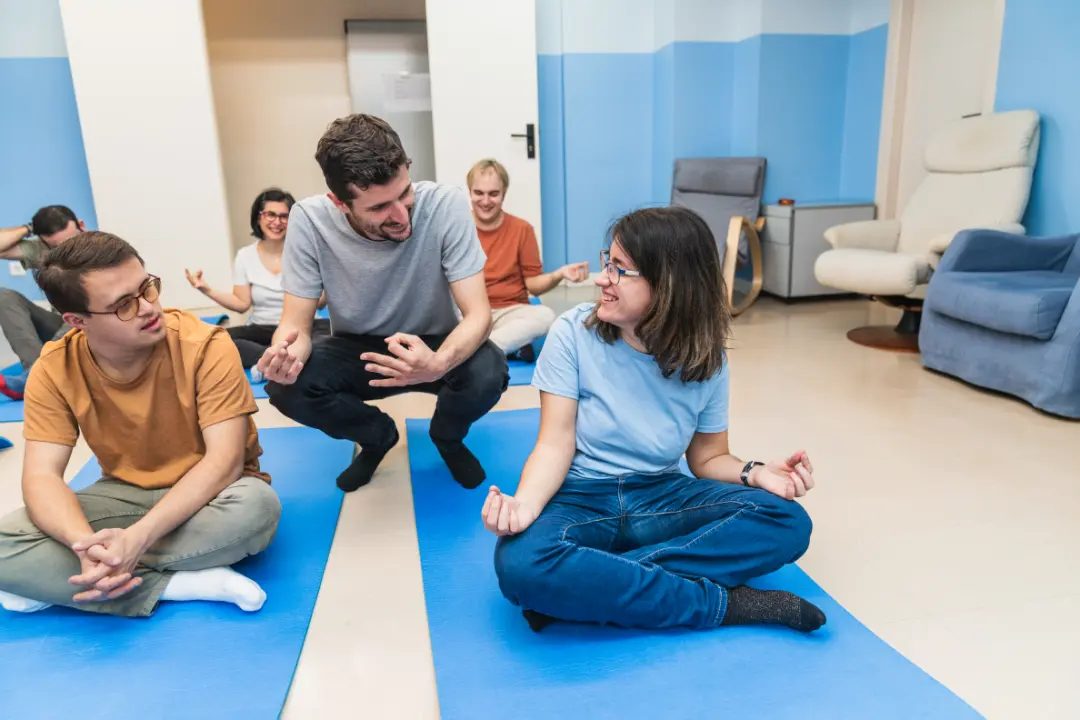
Inpatient rehab is a residential treatment model that fully immerses individuals in a safe, supportive facility, offering 24/7 supervision and comprehensive medical care. Here, licensed clinicians meticulously monitor vital signs during medically assisted detoxification and expertly manage withdrawal symptoms using established protocols.
The daily regimen includes individual counseling, group therapy sessions, family involvement, and educational workshops focused on developing essential coping skills and identifying personal triggers. Research shows that clients in residential programs are significantly more likely to complete treatment than those in outpatient settings (with completion rates around 49–64%)1. Treatment completion is a powerful predictor of long-term recovery.
This immersive approach significantly minimizes exposure to substance-related environmental cues and ensures immediate access to nursing staff, therapists, and invaluable peer support. Inpatient programs result in significant decreases in substance cravings, anxiety, and depressive symptoms between admission and discharge, laying a strong foundation for sobriety, especially for those with co-occurring mental health issues2.
Many individuals who have experienced treatment at Bella Monte Recovery Center report a remarkable acceleration in their stabilization and a profound sense of community that serves as a strong foundation for early sobriety.
How Does Outpatient Rehab Differ from Inpatient Programs?
Outpatient rehab empowers individuals to engage in structured treatment while continuing to reside at home, allowing them to uphold their work or family commitments.
| Program Type | Environment | Key Features |
| Inpatient Rehab | Dedicated residential campus | Constant clinical supervision, comprehensive medical detox support |
| Outpatient Rehab | Community-based treatment centers | Flexible scheduling, periodic therapy appointments |
Residential programs foster an immersive focus on recovery, whereas outpatient care facilitates a gradual reintegration into everyday life. Outpatient tracks are often highly beneficial for individuals managing milder substance use disorders or those transitioning from a more intensive inpatient setting.
What Are Partial Hospitalization Programs (PHP) and Intensive Outpatient Programs (IOP)?
Partial hospitalization programs (PHP) and intensive outpatient programs (IOP) provide a structured treatment continuum without the necessity of overnight stays, effectively merging rigorous clinical care with the comfort of home-based living.
| Program | Structure | Intensity |
| Partial Hospitalization (PHP) | Daytime clinical schedule with medical oversight | 5–7 days per week, 6–8 hours daily |
| Intensive Outpatient (IOP) | Evening or weekend therapy sessions | 3–5 days per week, 3–4 hours per session |
Both PHP and IOP offer integrated medical coordination, personalized individual and group counseling, and vital family education to ensure consistent clinical progress. Transitioning through these programs is instrumental in fostering long-term stability and significantly reducing the risk of relapse by reinforcing coping mechanisms within real-world scenarios.
How Do Specialized Programs Like Dual Diagnosis and Trauma-Informed Care Fit In?
- Dual diagnosis programs expertly combine psychiatric evaluations and medication management with specialized addiction counseling to address both conditions simultaneously.
- Trauma-informed care utilizes advanced modalities such as Eye Movement Desensitization and Reprocessing (EMDR)3 and Psychodrama to facilitate the safe processing of traumatic memories.
- Integrated approaches are crucial for developing cohesive treatment plans that effectively address underlying issues like anxiety, depression, and post-traumatic stress in conjunction with substance use.
These specialized programs are pivotal in enhancing clinical outcomes by recognizing that unaddressed emotional wounds can profoundly undermine sobriety and by equipping participants with essential resilience-building strategies.
What Is the Rehab Admissions Process? Your Step-by-Step Guide
Embarking on the journey to recovery begins with a structured admissions process designed to meticulously evaluate medical needs, secure necessary financial coverage, and collaboratively develop a personalized treatment roadmap.
At Bella Monte Recovery Center, our dedicated admissions specialists streamline the intake process to minimize any potential barriers to care. The initial stages involve a thorough review of your medical history, a comprehensive psychiatric assessment, and a screening to determine suitability for detoxification.
We then proceed with insurance verification and financial counseling to clarify all payment options, followed by the creation of an individualized treatment plan that details specific therapy modalities, medication management strategies, and enriching holistic activities.
This carefully structured onboarding ensures that every participant begins their rehab journey with clear expectations, robust support systems, and a customized path toward lasting recovery.
What Happens During the Initial Assessment and Intake?
The initial assessment serves as the crucial clinical foundation, meticulously gathering detailed information about your substance use history, overall physical health, and mental well-being.
- A licensed clinician conducts in-depth interviews to precisely identify primary substances of abuse and understand patterns of use.
- Standardized screening tools are employed to thoroughly assess risk factors, including the presence of co-occurring disorders and potential for self-harm.
- Medical examinations, which may include blood tests and vital sign monitoring, are conducted to proactively identify any risks associated with withdrawal.
How Is Insurance Verified and Financial Assistance Handled?
Navigating the financial aspects of treatment is a critical step that helps alleviate uncertainty and expedites access to the care you need.
- Our admissions team meticulously reviews your insurance benefits to confirm in-network coverage for essential services like detoxification and residential care.
- We manage the process of submitting pre-authorization requests to secure approval for medically necessary procedures.
- For those facing coverage limitations, we offer information on sliding-scale fees and available scholarship programs to provide necessary financial assistance.
How Are Personalized Treatment Plans Developed?
The development of personalized treatment plans is a collaborative process that integrates all assessment findings to establish targeted recovery goals and a structured therapy schedule.
- Multidisciplinary teams, comprising experienced therapists, physicians, and case managers, work together to define clear care objectives.
- Evidence-based therapies, such as Cognitive Behavioral Therapy (CBT) and Dialectical Behavior Therapy (DBT), are carefully selected and matched to your specific clinical needs.
- Enriching holistic elements, including meditation and art therapy, are thoughtfully woven into the fabric of your daily treatment routine.
The integration of holistic elements is crucial for treating the whole person, not just the addiction. Research supports the value of complementary therapies (such as meditation and physical activity) because they serve as essential adjunctive therapies for managing Substance Use Disorders (SUDs)4.
These modalities are proven to alleviate withdrawal symptoms, reduce cravings, improve mood stability, and help regulate the stress hormone cortisol, thereby fostering resilience and supporting long-term mental health.
What Happens During Drug and Alcohol Rehab? A Day-by-Day Overview
Your journey through rehab unfolds through a carefully coordinated schedule that balances essential medical oversight, therapeutic sessions, and enriching experiential activities, all designed to restore your physical health, emotional equilibrium, and vital life skills.
Each day typically commences with essential medical check-ins, followed by personalized individual counseling sessions aimed at exploring your unique triggers and developing effective coping mechanisms. Group workshops delve into critical topics such as relapse prevention, practical nutrition education, and stress management techniques.
Afternoon sessions often incorporate restorative holistic practices, like guided meditation, to nurture a profound mind-body connection.
The day concludes with evening reflection groups, fostering invaluable peer support and reinforcing the insights gained throughout the day, thereby establishing a stabilizing rhythm that calms the mood, diminishes cravings, and cultivates enduring resilience.
What Is the Medical Detoxification Process Like?
Medical detoxification is a safe and essential process that expertly manages withdrawal symptoms through clinically supervised interventions.
- Licensed nurses diligently monitor vital signs and administer prescribed medications to effectively alleviate discomfort and manage symptoms.
- Protocols are dynamically adjusted based on your individual tolerance levels and the specific substances being detoxified.
- Essential hydration, nutritional support, and supplemental vitamins are provided to maintain optimal physical wellness throughout the process.
For patients detoxing from multiple substances (e.g., concurrent alcohol and opioids), clinicians must prioritize the most life-threatening withdrawal5.
Medical consensus is that management of potentially life-threatening complications of alcohol withdrawal (using benzodiazepines) must be prioritized over relief of distressing opioid withdrawal symptoms.
Once the patient is medically stable, the pharmacotherapy plan for the second substance is established. Inpatient management is typically recommended for patients at risk for withdrawal from alcohol, along with other substances, due to the need for close monitoring.
How Are Evidence-Based Therapies Used in Rehab?
Evidence-based therapies are instrumental in addressing the underlying psychological drivers of addiction by skillfully combining structured interventions with expert clinical guidance.
- Cognitive Behavioral Therapy (CBT) empowers participants to identify and effectively reframe dysfunctional thought patterns that contribute to substance use6.
- Dialectical Behavior Therapy (DBT) enhances emotional regulation skills through the practice of mindfulness and distress tolerance techniques.
- EMDR and Psychodrama offer specialized approaches to process trauma by reducing the emotional distress associated with traumatic memories.
How Are Holistic Therapies Integrated Into Treatment?
Holistic therapies serve as a vital complement to clinical approaches, nurturing the physical, spiritual, and creative dimensions of your healing journey.
- Meditation is practiced to promote profound stress reduction and support neurochemical balance within the body.
- Art and music therapy provide powerful avenues for the nonverbal expression of complex emotions and experiences.
- Personalized nutritional guidance is offered to support brain repair and optimize energy regulation.
How Long Is Rehab? Understanding Treatment Durations and Factors for Success
The duration of rehab is a variable that depends on the clinical severity of the addiction, individual treatment objectives, and evidence-based recommendations that highlight the improved outcomes associated with longer stays.
Short-term programs, typically lasting 30 days, are often suitable for individuals with milder substance use disorders or those who possess robust support systems. Long-term programs, extending from 60 to 90 days or even longer, provide the necessary time for deeper skill integration and stabilization of mental health conditions. Success rates consistently show an upward trend with extended treatment periods, attributed to greater mastery of coping skills and more comprehensive post-care planning.
At Bella Monte Recovery Center, our clinicians continuously assess your progress to recommend the optimal treatment length that harmonizes clinical efficacy with your unique personal circumstances.
What Are the Differences Between Short-Term and Long-Term Rehab Programs?
Short-term and long-term rehab programs differ significantly in their treatment intensity, the depth of therapeutic engagement, and the emphasis placed on aftercare planning.
- Short-term stays are primarily focused on facilitating rapid detoxification and establishing foundational coping skills.
- Long-term tracks incorporate extended experiential therapies, vocational training opportunities, and comprehensive support for family reintegration.
- Extended durations allow for repeated exposure to relapse prevention strategies and deeper, more profound emotional processing.
What Factors Influence How Long Someone Stays in Rehab?
Individual characteristics and specific treatment goals are the primary determinants of the recommended rehab duration.
- The severity and duration of substance use directly guide the intensity of medical detoxification protocols and subsequent therapy.
- The presence of co-occurring mental health disorders necessitates additional time for psychiatric stabilization and integrated treatment.
- Personal motivation levels, the strength of one's social support network, and external responsibilities all play a role in readiness for discharge.
What Are the Benefits of Inpatient Rehab for Addiction and Mental Health?
Inpatient rehab offers a highly structured environment and comprehensive multidisciplinary care that effectively addresses the intricate complexities of addiction and co-occurring disorders. This environment not only promotes physical stability but also fosters emotional and psychological healing. Patients benefit from a variety of therapeutic approaches, including individual counseling, group therapy, and various wellness activities, all tailored to meet their unique needs. As individuals begin to understand the underlying issues contributing to their addiction, they can fully embrace the benefits of addiction treatment, leading to a more sustainable recovery journey. As part of the drug rehab center overview, patients are introduced to life skills training and aftercare planning, ensuring they have the tools necessary to maintain their recovery outside the program. This holistic approach equips individuals to navigate challenges and stressors that may trigger a relapse, enhancing their resilience. In addition, a strong support network, including family involvement and peer support, further solidifies the foundation for long-term sobriety.
Continuous clinical oversight significantly enhances safety during the detoxification phase, while daily therapy sessions cultivate accountability and foster the development of essential life skills.
Removing individuals from triggering environments allows for an undivided focus on healing, free from the pressures of external stressors. Integrated mental health services are crucial for treating conditions such as anxiety or depression concurrently with substance use, thereby promoting a more balanced and holistic recovery.
At Bella Monte Recovery Center, our commitment to 24/7 supervision, evidence-based interventions, and trauma-informed care converges to support sustained sobriety and cultivate profound emotional resilience.

How Does 24/7 Support and Supervision Improve Recovery?
Constant clinical presence ensures that any medical or emotional crises are met with immediate intervention, significantly reducing the likelihood of unmanaged withdrawal symptoms or acute stress responses.
- On-site nurses are readily available to administer medication promptly, providing swift relief from withdrawal symptoms.
- Therapists are accessible for urgent counseling sessions when intense cravings or emotional distress arise.
- Robust peer support networks are cultivated within our residential communities, reinforcing accountability and mutual encouragement.
Why Is a Structured Environment Important for Healing?
A predictable and consistent daily routine effectively replaces chaotic substance-seeking behaviors with recovery-focused rituals that reinforce healthy coping strategies and promote stability.
- Scheduled therapy sessions establish a consistent rhythm for emotional processing and skill development.
- Designated times for meals and rest are crucial for physical restoration and overall well-being.
- Engaging group activities foster the development of essential social skills and provide opportunities for peer encouragement.
How Does Inpatient Care Address Co-Occurring Mental Health Conditions?
Integrated dual diagnosis programs expertly combine psychiatric evaluation, precise medication management, and targeted psychotherapy to treat both addiction and mental illness concurrently and effectively.
- Psychiatrists meticulously adjust medication regimens to stabilize mood, alleviate anxiety, and manage other psychiatric symptoms.
- Individual therapy sessions are tailored to address specific symptoms of depression and trauma that may be fueling substance use.
- Holistic practices are incorporated to support neurochemical balance and enhance overall emotional regulation.
How Does Trauma-Informed Care Work in Rehab Centers? Healing Underlying Wounds
Trauma-informed care is built on the fundamental understanding that unresolved traumatic experiences often lie at the root of addiction, significantly shaping an individual's treatment needs.
By cultivating a safe, supportive, and empowering environment, our clinicians foster deep trust, enabling individuals to explore painful memories without the risk of retraumatization. The core principles guiding our approach include ensuring emotional safety, promoting client choice, fostering collaboration, and empowering individuals throughout their healing journey.
At Bella Monte Recovery Center, trauma-informed integrative therapy serves as the foundational framework for every intervention, ensuring that past wounds are acknowledged, understood, and healed as an indispensable component of achieving sustainable recovery.
What Is Trauma-Informed Care and Why Is It Essential for Addiction Recovery?
Trauma-informed care7 is a guiding treatment philosophy that deeply understands the profound impact of trauma on brain function, emotional regulation, and overall behavior.
- It places the highest priority on ensuring physical and emotional safety to prevent any possibility of retraumatization.
- Clinicians engage in transparent collaboration with clients on care plans, ensuring full transparency and client autonomy.
- Healing approaches are carefully designed to incorporate stabilization skills before gently guiding individuals through the processing of traumatic memories.
How Are Trauma-Specific Therapies Like EMDR and Psychodrama Used?
Trauma-specific therapies offer highly targeted methods designed to integrate traumatic memories and restore essential psychological balance.
- EMDR utilizes guided eye movements to help reprocess distressing memories in a way that reduces emotional intensity and promotes healing.
- Psychodrama employs role-playing and group enactment techniques to explore traumatic narratives within a safe and controlled therapeutic setting.
- Both of these powerful approaches facilitate the desensitization of traumatic triggers and foster the development of new, healthier cognitive associations.
How Does Addressing Trauma Improve Long-Term Sobriety?
Resolving core traumatic experiences is fundamental to reducing emotional reactivity and diminishing the influence of triggers that can lead to relapse.
- The emotional regulation skills acquired during trauma-focused work are highly transferable to managing everyday stressors effectively.
- Participants develop a cohesive personal narrative that skillfully integrates past pain with present strengths and resilience.
- Enhanced self-compassion and a strengthened sense of empowerment cultivate deeply sustainable coping strategies for life beyond treatment.
Why Choose Bella Monte Recovery Center for Addiction Treatment in Desert Hot Springs, CA?
At Bella Monte Recovery Center, recovery goes beyond treatment and into transformation. Located in Desert Hot Springs, CA, near Palm Springs, our detox and alcohol rehab center provides a peaceful, therapeutic environment where individuals can focus fully on healing. Our dedicated team of professionals employs evidence-based therapies tailored to each individual’s unique journey towards wellness. As one of the premier palm springs rehab centers, we prioritize holistic healing, addressing both the mind and body. Clients are not only supported in overcoming addiction but are also empowered to rebuild their lives with confidence and purpose.
Every treatment plan is personalized and crafted by a team of licensed professionals who specialize in addiction recovery, trauma-informed care, and dual diagnosis treatment.
We recognize that addiction affects every part of a person’s life; that is why our programs integrate medical detox, residential treatment, and evidence-based therapies with holistic modalities such as mindfulness and experiential therapy. Our compassionate team also provides trauma work weekly for all clients, ensuring that both the symptoms and root causes of addiction are addressed.
From safe, medically supervised detox to individual and group therapy, dual diagnosis support, and ongoing aftercare, Bella Monte fosters lasting recovery built on dignity, understanding, and empowerment.
If you or a loved one is ready to begin the journey toward lifelong recovery, Bella Monte Recovery Center is here to provide the expert care, support, and compassion you deserve. Contact us today to speak with our admissions specialists and take the first step toward healing.
What Happens After Rehab? Aftercare and Relapse Prevention Strategies for Lasting Sobriety
Aftercare serves as a crucial bridge, facilitating a smooth transition from structured treatment back into the complexities of everyday life by providing sustained support, consistent accountability, and vital community connections.
What Are Personalized Aftercare Plans and How Are They Developed?
Personalized aftercare plans are meticulously crafted roadmaps that detail ongoing recovery activities, specifically tailored to meet each individual's unique needs and circumstances.
- Before discharge, clinicians conduct a thorough assessment of your strengths, potential triggers, and existing support systems.
- Plans typically include scheduled outpatient therapy sessions, regular medication check-ins, and participation in 12-step or other peer support meetings.
- Vocational and educational goals are thoughtfully integrated to foster a sense of purpose and direction in life post-rehab.
How Do Support Groups and Sober Living Environments Help Maintain Recovery?
Community-based support groups and sober living residences effectively extend the therapeutic benefits of rehab into the fabric of everyday life. These environments provide individuals with ongoing encouragement and accountability, fostering healthy relationships and routines. By incorporating trusted drug and alcohol recovery practices, participants can build resilience against relapse while developing essential life skills. Ultimately, this holistic approach helps to solidify the foundation for lasting recovery and sustained personal growth.
- Support groups offer invaluable peer accountability, a platform for sharing experiences, and practical coping strategies.
- Sober living environments provide a structured setting that encourages responsible household management and minimizes exposure to substance-related triggers.
- Mentorship from individuals who have successfully navigated long-term recovery fosters hope and provides tangible models for sustained sobriety.
What Role Does Family Involvement Play in Aftercare and Recovery?
Active family engagement significantly enhances understanding, improves communication, and builds collective resilience, ultimately creating a more supportive and nurturing home environment.
- Family counseling sessions are designed to address issues like codependency, establish healthy boundaries, and rebuild trust within family relationships.
- Educational workshops are provided to inform loved ones about addiction as a chronic health condition, fostering empathy and informed support.
- Ongoing family support networks reinforce recovery milestones and offer consistent encouragement throughout the journey.
Frequently Asked Questions About How Rehab Centers Work
What Happens When You First Arrive at a Rehab Center?
Upon arrival, clients go through a confidential admissions and assessment process that includes reviewing medical history, conducting mental health screenings, and discussing treatment goals.
At Bella Monte Recovery Center, our licensed clinicians ensure that every client feels safe, heard, and supported from the moment they enter, creating a personalized plan that addresses both addiction and underlying trauma.
How Long Does Addiction Treatment Usually Last?
Treatment duration varies depending on the individual’s clinical needs and progress. Most programs range from 30 to 90 days, though some clients benefit from extended care.
Does Insurance Cover Addiction Treatment at Bella Monte Recovery Center?
Yes. Bella Monte Recovery Center accepts most major commercial insurance plans and is in-network with several major providers.
Our admissions specialists will verify your benefits, explain your coverage, and outline all financial options so you can focus fully on healing rather than logistics.
What Makes Trauma-Informed Care So Important in Rehab?
Trauma often lies at the root of substance use, so addressing it is essential for lasting recovery.
What Kind of Support Is Available After Completing Treatment?
Aftercare planning at Bella Monte Recovery Center includes ongoing therapy, relapse prevention strategies, and access to alumni support networks. Clients leave with a clear roadmap that may involve outpatient programs, peer support groups, and family involvement, all designed to reinforce sobriety and sustain wellness after leaving residential care.
Conclusion
Recovery is not just a process but a transformation. Rehab centers play an essential role in helping individuals rebuild their health, identity, and purpose through structured medical care, compassionate therapy, and holistic healing. Evidence shows that longer treatment durations and well-planned aftercare greatly improve success rates by reinforcing coping skills and strengthening community support.
At Bella Monte Recovery Center, we combine 24/7 clinical supervision, trauma-informed care, and evidence-based therapies to help individuals and families achieve lasting sobriety.
If you’re ready to take the first step toward recovery, our compassionate team is here to guide you every step of the way.
References
- https://pubmed.ncbi.nlm.nih.gov/26925821/
- https://www.researchgate.net/publication/377063626_Addiction_Treatment_Outcomes_Examining_the_Impact_of_an_Inpatient_Program_for_Substance_Use_Disorders_and_Concurrent_Mental_Distress
- https://pmc.ncbi.nlm.nih.gov/articles/PMC11592247/
- https://www.mdpi.com/2673-9488/5/1/7
- https://pmc.ncbi.nlm.nih.gov/articles/PMC10696169/
- https://pmc.ncbi.nlm.nih.gov/articles/PMC2897895/
- https://www.sciencedirect.com/science/article/pii/S2949875924002832
Disclaimer
The information in this article is meant for educational and informational purposes only. It should not replace professional medical advice, diagnosis, or treatment. Bella Monte Recovery Center offers clinically proven, evidence-based programs, but individual results and treatment timelines may vary.
If you or a loved one is dealing with alcohol addiction, please reach out to Bella Monte Recovery Center’s admissions team for a confidential consultation.
Our licensed clinicians can evaluate your needs and help you start a safe, personalized recovery plan without delay.