
Discover trauma therapy California: EMDR, Brainspotting, in-person & online options for PTSD, C-PTSD recovery. Find top providers now!
Why Finding the Right Trauma Therapist in California Matters
Trauma therapy California offers a wide range of evidence-based treatment options for individuals healing from PTSD, childhood trauma, sexual abuse, and complex trauma. Whether you're seeking in-person care in Los Angeles, San Francisco, or Desert Hot Springs, or prefer online therapy from the comfort of your home, California has over 500 specialized trauma therapists trained in modalities like EMDR, Somatic Experiencing, and Brainspotting.
Quick Guide to Trauma Therapy in California:
- Evidence-Based Treatments: EMDR, Cognitive Processing Therapy (CPT), Prolonged Exposure (PE), and trauma-focused CBT
- Licensed Professionals: Look for LMFTs, LCSWs, PsyDs, and LPCCs verified through the California Board of Psychology
- Treatment Duration: Typically 3 months for PE or CPT; 8-25 sessions for trauma-informed CBT
- Cost Options: Sliding scale fees, PPO insurance coverage, and state programs like CalVCB
- Specialized Care: Programs for veterans, LGBTQ+ individuals, immigrants, and survivors of childhood trauma
If you're struggling with trauma alongside depression or addiction, you're not alone. Research shows that trauma affects seven key areas of life: emotions, relationships, self-identity, memory, physical health, trust, and worldview. The good news? You don't have to relive every painful detail to heal. Modern trauma therapy uses gentle, research-backed approaches that help you process difficult memories without overwhelming you.
California's diverse mental health landscape means you can find culturally responsive care that honors your unique background and experiences. From intensive multi-day retreats to traditional weekly sessions, the Golden State offers flexible options that fit your schedule and healing needs.
Finding the Right Trauma Therapy California Provider
Searching for a therapist can sometimes feel like a part-time job you never applied for. In a state as large as California, the options are plentiful, but finding the "right fit" is essential for deep healing. When we talk about trauma, we aren't just talking about a bad day; we are talking about experiences that overwhelm our ability to cope.
To ensure you are in good hands, look for providers who practice "trauma-informed care." This means the therapist understands the pervasive impact of trauma and integrates this knowledge into every aspect of treatment. They won't just ask "What is wrong with you?" but rather "What happened to you?"
Verifying Credentials and Licensing
In California, mental health professionals must be licensed by state boards. You can verify a provider through the California Board of Psychology or the Board of Behavioral Sciences. Common credentials include:
- LMFT (Licensed Marriage and Family Therapist): Experts in how trauma affects relationships and family systems.
- LCSW (Licensed Clinical Social Worker): Often focused on the intersection of individual mental health and community resources.
- PsyD or PhD (Psychologists): Doctors who often have extensive training in psychological testing and specific ptsd protocols.

Evidence-Based Modalities for Trauma Therapy California
Not all therapy is created equal, especially when it comes to the brain's "alarm system." Traditional talk therapy is great for many things, but trauma often lives in the body and the subcortical brain where words can't always reach. This is where specialized modalities come in.
- EMDR (Eye Movement Desensitization and Reprocessing): This is a powerhouse in trauma therapy california. It uses bilateral stimulation (like side-to-side eye movements) to help the brain "reprocess" stuck memories. If you've ever wondered what-is-it-like-to-experience-emdr, it’s often described as watching a movie of your life where the emotional "sting" is finally removed. Scientific research on EMDR effectiveness for PTSD shows that it can be more effective and have lower dropout rates than traditional exposure therapies.
- Brainspotting: A newer relative of EMDR, this method uses the field of vision to find "spots" where trauma is held in the brain.
- Somatic Experiencing: This approach focuses on the body's physical sensations to release "stored" energy from the fight-or-flight response.
Online vs. In-Person Trauma Therapy California Options
The COVID-19 pandemic changed the landscape of therapy forever. Today, many specialists in Southern California offer both in-person sessions and telehealth.
- Online Therapy: This is a fantastic option for residents in rural areas or those with busy schedules. It allows you to access specialized emdr-and-the-treatment-of-trauma-in-addiction-recovery even if the nearest specialist is hundreds of miles away. Just ensure your provider uses a HIPAA-compliant platform to protect your privacy.
- In-Person Therapy: For some, the physical presence of a therapist provides a level of safety and grounding that a screen cannot replicate. Centers in Palm Springs or Desert Hot Springs offer serene environments that can enhance the healing process.
Whether you choose a digital screen or a physical office, emdr-therapy-and-addiction programs are available throughout the state to help those dealing with dual diagnoses.
Specialized Treatment for Complex and Childhood Trauma
Trauma isn't always a single, "big" event like a car accident. Often, it is a series of smaller, repeated events—this is known as Complex PTSD (C-PTSD). This often stems from childhood trauma, neglect, or long-term domestic situations.
Healing the Inner Child
Childhood trauma can leave deep wounds that affect our self-worth and adult relationships. Specialists in California work to help you recognizing-your-trauma-triggers-to-prevent-relapse by identifying the "parts" of yourself that are still stuck in the past. We also see many people struggling with the weight of what-are-microaggressions-and-how-are-they-a-form-of-trauma, which can accumulate over time to create a significant traumatic burden.
Integrative Approaches to Healing
At Bella Monte Recovery, we believe in a holistic approach. Sometimes, talking isn't enough.
- Psychodrama: This action-oriented method involves the-use-of-psychodrama-to-treat-trauma by role-playing past events or future fears. Using psychodrama-to-resolve-trauma allows you to gain new perspectives and "script" a different ending to your story.
- Yoga Therapy & Neurofeedback: These tools help regulate the nervous system, bringing the body back into a state of "rest and digest."
- Spiritual Healing: For those who have experienced religious or community-based hurt, learning how-to-heal-from-spiritual-trauma is a vital part of reclaiming one's sense of soul and purpose.
Support for Diverse Populations
California is a melting pot, and trauma therapy must reflect that.
- Veterans: California has a large veteran population. Specialized care focuses on the unique stressors of combat and military life.
- LGBTQ+ Community: Finding a therapist who is gender-affirming and understands systemic trauma is crucial.
- Immigrants: Research indicates significant trauma prevalence among immigrant populations in California. Culturally responsive trauma-based-interventions-in-addiction-recovery are essential for providing safe, effective care.
Navigating Costs, Insurance, and State Programs in CA
The "golden" in Golden State shouldn't refer to the price of therapy. While specialized care is an investment, there are several ways to make it accessible.
| Feature | Weekly Therapy Sessions | Intensive Trauma Retreats |
|---|---|---|
| Duration | 50-60 minutes once a week | 3 to 10 consecutive full days |
| Pace | Slow and steady over several months | Rapid processing and symptom reduction |
| Ideal For | Ongoing support and maintenance | Deep-seated trauma needing immediate relief |
| Cost Structure | Per-session fee | Flat program fee |
Insurance and Financial Aid
Many California therapists accept PPO insurance plans as "out-of-network" providers. If cost is a barrier, look for clinics that offer a "sliding scale," which means they adjust their fees based on your income.
Additionally, California offers robust state programs:
- CalVCB (California Victim Compensation Board): If you are a victim of a crime (including domestic violence or sexual abuse), you may be eligible for financial assistance for mental health services.
- Trauma Recovery Centers (TRCs): These centers use the UCSF TRC Model to provide comprehensive services to survivors, often regardless of their CalVCB eligibility status.
What to Expect in Your First Session
The first time you walk into a session for trauma therapy california, you might feel a mix of hope and sheer terror. That is completely normal! Your therapist’s primary goal in the first meeting is not to dive into your darkest secrets, but to build safety.
- Intake Evaluation: This is essentially a "get to know you" phase. The therapist will ask about your history, but you are in the driver's seat. You only share what you are comfortable sharing.
- Safety Planning: We focus on making sure you have the tools to handle any difficult emotions that come up between sessions.
- Coping Skills: You'll learn grounding techniques—like the "5-4-3-2-1" method—to keep you present if you start to feel overwhelmed.
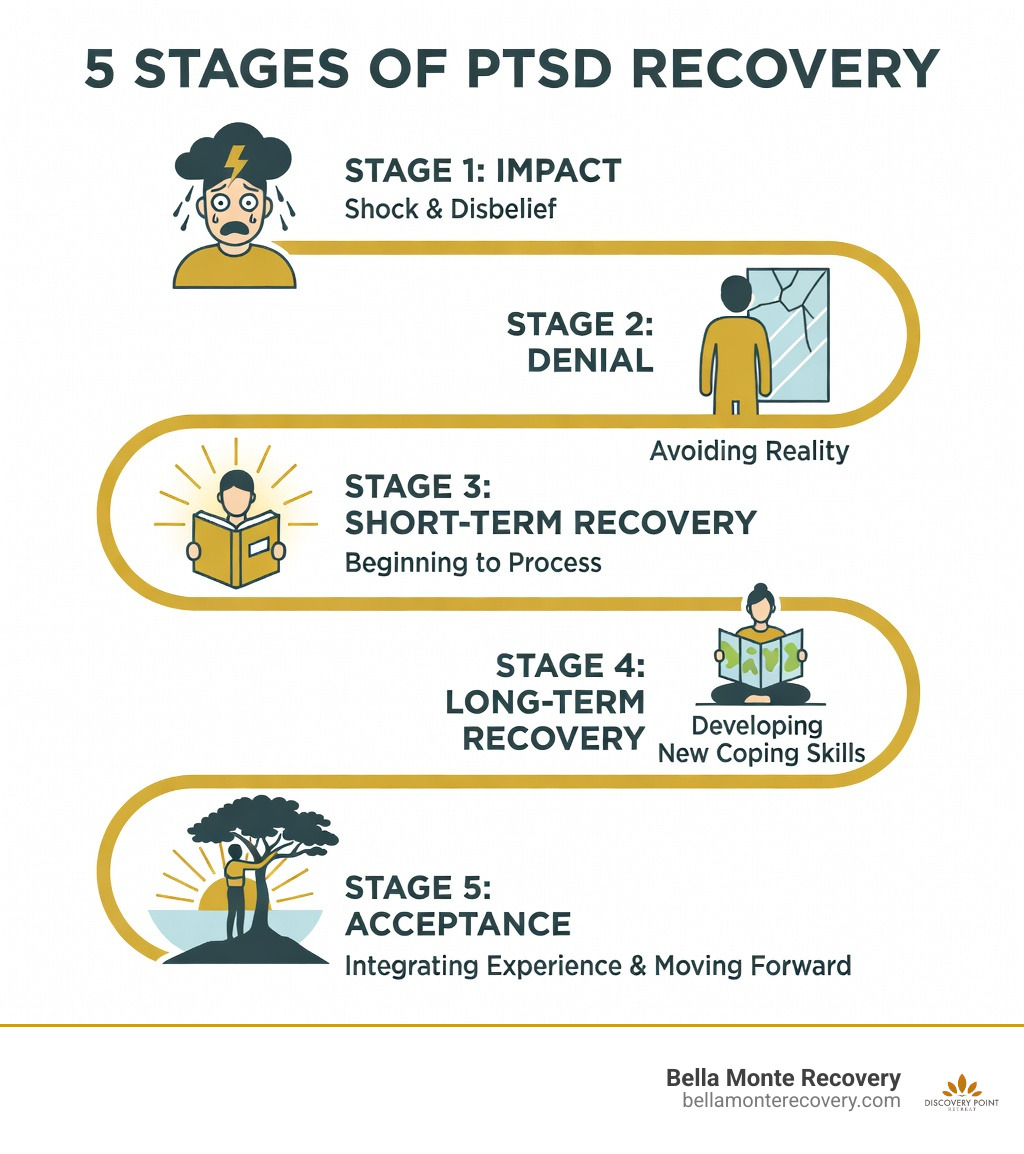
- Recovery Timelines: Healing isn't linear. While some treatments like CPT take about three months, others are open-ended. Many people report feeling significantly better within the first few months of consistent work.
Frequently Asked Questions about Trauma Therapy
Will I have to relive my trauma during the first session?
Absolutely not. In fact, a good trauma therapist will discourage you from "flooding" yourself with traumatic memories before you have the coping skills to manage the distress. The first session is about building a relationship and assessing your needs.
How long does trauma recovery typically take in California?
It depends on the type of trauma and the therapy used. Evidence-based protocols like Prolonged Exposure often take about 12 weeks. Complex trauma recovery can take longer, often involving "maintenance sessions" to reinforce new patterns over time.
Is online trauma therapy as effective as in-person treatment?
Yes! Studies have shown that when delivered by a trained specialist using secure platforms, online therapy is just as effective as in-person sessions for PTSD and depression. individual therapy sessions explained often focus on the specific needs of the individual, helping them navigate their unique challenges. By establishing a trusted therapeutic relationship, clients can explore their thoughts and emotions in a safe environment. This personalized approach allows for targeted interventions that can lead to significant improvements in mental health.
Conclusion
Healing is possible, and you don’t have to do it alone. At Bella Monte Recovery, located in the peaceful surroundings of Desert Hot Springs, we provide personalized, evidence-based addiction and mental health treatment. Our holistic plans are designed to address the root causes of trauma and depression, helping you find your way back to yourself.
Whether you are in Palm Springs or elsewhere in Southern California, we are here to support your journey. It’s time to move beyond survival and start truly living. Reclaim your life at our Palm Springs residential rehab and discover the strength that has been inside you all along.