Sleep is fundamental to our overall health, affecting everything from cognitive function and mood to physical well-being and immune system strength. For those in recovery from substance abuse or dealing with mental health challenges, sleep becomes even more critical. Unfortunately, sleep disturbances are a common issue in early recovery, with many individuals struggling to get the restful sleep they need to heal and rebuild their lives.
At Bella Monte Recovery, we understand that sleep plays a pivotal role in recovery, and we are dedicated to helping individuals improve their sleep hygiene and overall well-being. Through personalized treatment plans, holistic therapies, and sleep-focused interventions, we provide the support needed to restore healthy sleep patterns. In this blog, we’ll explore why sleep is so important in recovery and how Bella Monte can assist in this crucial aspect of healing.
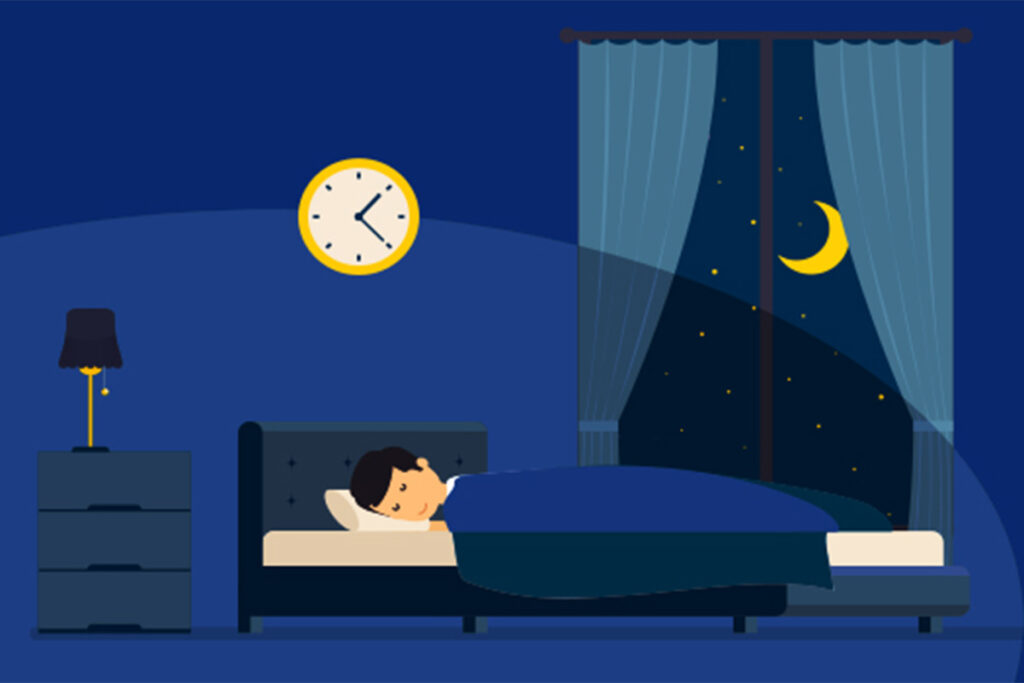
Sleep is much more than just a period of rest—it’s an essential process that allows the body and brain to recover from daily stress and prepare for the next day. During sleep, the brain processes emotions, memories, and information while the body repairs tissues, builds muscle, and replenishes energy.
For individuals in recovery, sleep has a particularly important role to play:
Unfortunately, getting enough sleep can be a significant challenge for people in recovery. During the early stages of sobriety, the body and brain are going through a period of readjustment as they detox from substances. This can lead to several sleep-related issues:

Bella Monte Recovery understands the importance of sleep in recovery and offers a comprehensive approach to address sleep disturbances. Through a combination of evidence-based treatments and holistic interventions, we help individuals restore healthy sleep patterns, allowing them to heal more fully. Here’s how:
Every individual’s recovery journey is unique, which is why Bella Monte Recovery tailors treatment plans to meet the specific needs of each person. For individuals struggling with sleep, we assess the underlying causes of their sleep difficulties, whether it’s related to substance withdrawal, co-occurring mental health conditions, or other factors. By addressing the root causes, we create a plan that promotes better sleep and overall wellness.
CBT-I is a highly effective, non-pharmacological treatment for insomnia. At Bella Monte, we use this approach to help individuals identify and change thought patterns or behaviors that interfere with sleep. CBT-I involves strategies such as sleep restriction therapy, relaxation techniques, and cognitive restructuring, all aimed at improving the quality and duration of sleep.
We believe in treating the whole person, not just the symptoms. That’s why Bella Monte Recovery offers a range of holistic therapies designed to promote relaxation, reduce stress, and improve sleep quality. These include:
At Bella Monte, we teach the principles of good sleep hygiene, helping individuals establish routines and habits that promote better sleep. This includes:
The peaceful environment at Bella Monte Recovery plays a key role in promoting restful sleep. Our facility is located in a serene setting, free from the distractions and stressors of daily life. This calming environment helps individuals focus on healing and rest, allowing them to establish healthy sleep patterns.
In conclusion, sleep is an essential pillar of the recovery process, playing a vital role in both physical and emotional healing. Quality rest allows the brain to recharge, supports emotional regulation, and enhances cognitive functioning, all of which are crucial during the recovery journey. For individuals struggling with substance use disorders or dual diagnoses, prioritizing healthy sleep patterns can significantly improve their chances of long-term success.
At Bella Monte Recovery, we recognize the importance of sleep and offer tailored support to help individuals establish better sleep habits, ensuring they have the foundation needed for sustained healing and growth. For those seeking recovery and a supportive community, Bella Monte Recovery offers not just treatment, but a transformative experience guided by compassion and understanding. Please reach out at 855-808-4213 you or a loved one is seeking help.
The Bella Monte Recovery Center™ has developed a program to treat First Responders dealing with deep trauma, substance use and mental health issues that may arise from the impact of their professions. Research on First Responders so far shows they are at high risk for depression, anxiety, family dysfunction, negative work-site interactions / bullying, substance use /abuse, PTSD and toxic stress. These mental health challenges for first responders can severely affect their ability to perform their duties and maintain personal relationships. It is crucial to provide these individuals with comprehensive support systems that address both their psychological and emotional needs. By prioritizing mental well-being, we can foster resilience and improve overall outcomes for those who serve on the front lines.
Many first responders we have treated describe their substance use as a way to cope with years and years of stress and trauma. They describe an industry that does not talk about trauma and pain and simply moves on from it day to day but their treatment at Bella Monte allows first responders to slow down, take a look at the past, and make healing choices allowing them to live a fulfilled life on and off the job.
Cocaine detox, also known as cocaine withdrawal management, is the process of safely removing cocaine and its metabolites from the body while managing the physical and psychological symptoms that occur when someone stops using cocaine. In addition to cocaine detox, healthcare providers often explore various approaches to support individuals in their recovery journey. One effective method involves the uses of Suboxone in addiction treatment, which can help reduce cravings and withdrawal symptoms associated with substance use disorders. By incorporating medication-assisted treatment options, many patients find a more manageable path to lasting sobriety.
Cocaine is a powerful stimulant drug that affects the central nervous system, producing feelings of euphoria, increased energy, and alertness. However, prolonged use of cocaine can lead to physical dependence and addiction, making detoxification an essential step in the treatment process.
Understanding Cocaine Withdrawal:
Cocaine withdrawal occurs when someone who has been using cocaine regularly suddenly stops or significantly reduces their use. Withdrawal symptoms typically begin within a few hours to several days after the last use of cocaine and can vary in intensity and duration depending on factors such as the individual’s level of dependence, the amount and frequency of cocaine use, and their overall health status.
What Are The Challenges of Cocaine Detox?
Detox is the process of clearing drugs and toxins from the body while managing withdrawal symptoms that occur when drug use is stopped. For individuals addicted to cocaine, detox is crucial as it helps address the physical dependence on the drug and provides a foundation for ongoing recovery efforts. Cocaine withdrawal symptoms can be uncomfortable and distressing, making detoxification under medical supervision essential to ensure safety and comfort.
Detoxification from cocaine addiction can be challenging due to the intense cravings and psychological withdrawal symptoms experienced by individuals. It is not uncommon for individuals to experience relapse during or after detox, highlighting the need for ongoing support and treatment following detoxification. Additionally, detox alone is not sufficient to address the underlying factors contributing to addiction, such as co-occurring mental health disorders, trauma, or social determinants of health. Therefore, detox should be followed by comprehensive addiction treatment that addresses these factors and promotes long-term recovery.
Symptoms can be both physical and psychological, and may include:
Detoxification is an essential first step in the treatment of cocaine addiction, providing a safe and supportive environment for individuals to begin their journey toward recovery. Understanding drug rehabilitation programs is crucial for individuals seeking long-term recovery from addiction. These programs offer various therapeutic approaches tailored to individual needs, aiming to address both the psychological and physical aspects of addiction. Participants are guided through a structured process that promotes healing, self-discovery, and the development of coping skills essential for maintaining sobriety.
Cocaine Detox Process For Addiction: Detoxification for cocaine addiction typically involves several key components:
By addressing the physical dependence on cocaine and managing withdrawal symptoms, detox sets the stage for ongoing addiction treatment and support. However, detox alone is not sufficient to achieve lasting recovery, and individuals benefit from comprehensive addiction treatment that addresses the complex biological, psychological, and social aspects of addiction. With the right support and resources, individuals struggling with cocaine addiction can overcome their dependence and build a fulfilling life in recovery.
For individuals struggling with substance use disorders (SUDs), maintaining sobriety is often an everyday challenge. A relapse is when an individual stops maintaining their goal of reducing or avoiding the use of alcohol or other drugs and returns to their previous levels of use. According to the National Institute on Drug Abuse, individuals in addiction recovery often experience at least one relapse.
Addiction is a chronic medical condition characterized by an inability to control substance use despite negative consequences. Because of the chronic nature of addiction, relapse is often a part of recovering from this disease.
Because addiction is a chronic disease, relapse is always a possibility, no matter how long a person has abstained from substance use. This is why it’s so important to know the warning signs of relapse. Knowing the warning signs is the best way to prevent a relapse from occurring. Potential warning signs of an impending relapse include:
In addition to warning signs, it’s also important to understand the three stages of relapse to prevent them from happening.
The emotional relapse stage is the first stage in the relapse process. It can occur long before a return to actual substance use. One enters this phase when they begin to cope with their emotions in unhealthy ways. This may look like isolating themselves from others, discontinuing self-care strategies, quitting support group meeting attendance, or denying that problems exist. While they may not be thinking about using in this stage, it can be a precursor to relapse down the road.
The second stage of relapse is the mental relapse stage. During this stage, one becomes aware that they have conflicting feelings about sobriety. While they may want to remain sober, there is a part of them that is thinking about using or having cravings for substances. This may look like minimizing the negative consequences of using, glorifying past substance use, or seeking out opportunities to use.
The final stage of a relapse is the physical relapse stage. This is when the final action is taken and one resorts to using substances again. What may start as a small dose or one-time occurrence can quickly lead to a full-blown relapse and a return to loss of control over substance use. This does not mean one has failed in recovery; it simply means they need more help and additional support moving forward.
There are five relapse-preventing rules of recovery that individuals in recovery may choose to follow as a guidebook on abstaining from using substances:
Change negative thinking patterns; avoid people, places, and things associated with using; and focus on the five rules of recovery.
Be honest with others and yourself. Practicing honesty can be uncomfortable, but those in recovery are challenged to do so consistently.
Don’t go through it alone. Addiction recovery is most successfully done when done in a group setting. When one feels like they’re going down a path that leads to relapse, peer and family support is more important than ever.
People often begin using substances as an escape from everyday stressors. It’s important to find alternative healthy coping mechanisms to deal with those emotions.
Though one may feel confident in their ability to stay sober once they’ve abstained for some time, they shouldn’t mistake this for being able to abandon the recovery activities they’ve been partaking in thus far.
The importance of a strong relapse prevention plan cannot be stressed enough. While it sounds like a secondary goal, preventing relapse is a powerful tool in any recovery process.
Recovery from addiction can be a long and challenging process. The odds of relapsing can be high. While it’s important to be aware of potential triggers, the stages of relapse, and the rules of recovery, relapse is still a possibility at some point along the road to recovery. If you find yourself relapsing and unable to stop using substances after that relapse, it may be time to re-engage professional help.
It’s important to note that if you’ve relapsed, it does not mean that you or your treatment has failed. It simply means that you must continue or alter your treatment plans. Renewed participation in a treatment program can help you to stop using and reduce the risk of future relapses.
Due to the chronic nature of addiction, relapse is often part of the disease. Because of this, it’s not uncommon for individuals to relapse at some point during their recovery journey. Relapses shouldn’t be seen as failures, but rather as signs that you may need additional support or a different form of treatment. Where should you look to further expand your treatment when relapse looms? At Bella Monte Recovery Center in Desert Hot Springs, California, we do whatever it takes to give you the best, most individualized chance at successful recovery and relapse prevention. We recognize that the issue isn’t just about drugs and alcohol, and we address all factors contributing to substance use throughout the recovery process and even after treatment. At Belle Monte Recovery Center, you won’t be alone on your journey. For more information about the programs that we offer, call (800) 974-1938 today.
When people want to seek treatment for addiction, they may fear getting in trouble for drug possession. Others who are struggling with substance use might get caught in the incarceration system because being in and out of jail makes it hard to quit. This article talks about how drug criminalization makes it difficult for people to seek treatment and discusses more beneficial alternatives, such as drug decriminalization and harm reduction. Additionally, understanding the drug dependence vs addiction differences is crucial in addressing these challenges, as it highlights the varying needs for treatment and support. By shifting the focus from criminalization to compassionate care, society can foster environments where individuals feel safe to seek help without the fear of legal repercussions. Implementing policies that prioritize mental health and recovery can lead to more effective outcomes for those affected by substance use.
The United States is facing an addiction epidemic. Before the COVID-19 pandemic, the country was already facing rising statistics of opioid addiction and overdose. However, the pandemic has increased those statistics even further. In the year 2021 alone, it was estimated that over 100,000 people had died from an overdose. This statistic had increased by nearly 29% from the year prior (2020). Still, it must be made known that addiction is a treatable disease and recovery is possible for those who can seek treatment.
Although treatment is becoming more normalized, the disease itself is still penalized. In 2019, 86% of drug-related arrests were for drug possession. One article recognized that there are approximately 7.1 million adults in the United States who are under criminal justice supervision. Of those that are imprisoned, nearly half of them, including those who were arrested for crimes unrelated to drugs, have a substance use disorder (SUD). The same article conducted a survey of 15 states, finding that 25% of released prisoners returned to prison after three years for technical violations that often included failing a drug test. Many people who do end up in prison are often arrested, either directly or indirectly, because of their addiction.
Due to conditions in the prison system, those who are dealing with addictions and co-occurring mental health disorders tend to experience worsening symptoms both during and after prison. The stigma of prison can make it hard for previously incarcerated people to find housing, social support, and financial support. The stresses of these hardships and instability often lead to relapse.
Those who leave prison may have no choice but to return to the environment that enabled drug use in the first place. Furthermore, those who have been in prison may be unaware that their tolerance is lower, leading to accidental overdose. Children of incarcerated parents are also more likely to become addicted to drugs because of the trauma they endured from adverse childhood experiences.
Drug use is often associated with crime. Those who use drugs are labeled as criminals and are cast aside to the margins of society. The stigma caused by criminalization causes people to assume that those who have an addiction are bad people, and that’s why they’re in prison. This stigma keeps people from seeking treatment out of fear of judgment and legal consequences. Only 18% of people struggling with an active addiction seek treatment.
Since addiction is so closely associated with crime, many who have an addiction either won’t receive care because of a health care worker’s beliefs about addiction or because of the person’s fear of legal consequences. Sometimes, people who have a substance use problem might not disclose it to a health care practitioner, even if that information could be useful or life-saving.
Pregnant mothers who have an addiction might fear losing their child if it’s found that the mother used substances while pregnant, leading to her forgoing vital neonatal care. Some insurance companies also limit coverage for medications that treat SUD because of the stigma associated with them. Some doctors will outright refuse to care for people who have an addiction. This is all because of a stigma created by criminalization.
Hearing other people’s stories can humanize them. Many villainize people with addictions because they lack vital education about addiction being a complex disease. Still, some people with addictions are afraid to talk about their experiences or current use because of the legal consequences they could face. The silence about these people’s stories keeps the myths and stigma going despite the facts. If the United States is serious about fighting an addiction epidemic, then the justice system needs to look at how criminalizing drugs contributes to the problem.
Instead of arresting people for drug possession, another alternative to a punitive approach could be decriminalization and harm reduction. The drug decriminalization approach doesn’t legalize all drugs. When a person is found possessing drugs, they won’t be arrested and charged with a crime. Instead, they might receive a fine. Both Portugal and the Czech Republic have decriminalized drugs, as well as the state of Oregon.
Harm reduction is a practice where instead of punishing a person for addiction, measures are taken to ensure the safety of people with addiction. These measures prevent overdoses and health complications such as HIV contraction. Harm reduction strategies also direct people to addiction treatment services. Measures that are considered harm reduction include:
There are thousands of people in prison with an addiction who aren’t able to get the treatment and care that they need. Some places, like Oregon, are trying decriminalization strategies because they recognize the value of rehabilitative approaches rather than criminalization approaches. We need to advocate for treatment for those struggling with addiction, regardless of their background and story. Treatment is for everyone and a person shouldn’t be punished for having a potentially deadly disease. Luckily, harm reduction strategies can also be used to help save lives. Bella Monte Recovery Center is a treatment facility that offers a wide range of programs and services for clients looking to heal from the effects of substance use, mental health, and co-occurring disorders. We believe that professional treatment is necessary to establish long-term sobriety. We utilize individualized treatment plans to help make your treatment experience unique.
The Bella Monte Recovery Center™ facilitates EAP & Union coordinated services including detox management, residency, assessments, counseling and referrals for additional services to their employees struggling with alcohol, substance (drug) use and co-occurring disorders.