At Bella Monte Recovery, we are committed to providing our clients with the most effective and evidence-based treatments to support their journey to sobriety. One of the cornerstones of our therapeutic approach is Cognitive Behavioral Therapy (CBT). CBT is a powerful tool in the treatment of addiction, offering practical strategies to help individuals understand and change the thoughts and behaviors that contribute to their substance use. In this blog, we’ll explore what CBT is, how it works, and why it’s an essential component of our recovery program.
Cognitive Behavioral Therapy is a form of psychotherapy that focuses on the relationship between thoughts, feelings, and behaviors. The premise of CBT is that our thoughts directly influence our emotions and behaviors. By identifying and changing negative thought patterns, individuals can alter their emotional responses and behaviors in a positive way. CBT is structured, goal-oriented, and typically short-term, making it a practical and effective approach for many individuals struggling with addiction.
CBT addresses the cognitive (thought) processes that drive addictive behaviors. Here’s how it works:
In the early stages of CBT, clients work with their therapists to identify negative or irrational thoughts that contribute to their substance use. These thoughts often manifest as self-defeating beliefs, such as “I can’t cope without alcohol” or “I’m a failure.” Recognizing these thoughts is the first step toward change.
Once negative thoughts are identified, therapists help clients challenge and reframe them. This involves examining the evidence for and against these thoughts and developing more balanced and realistic perspectives. For example, a client might learn to replace “I can’t cope without alcohol” with “I have successfully coped with difficult situations before and can find healthy ways to manage stress.”
CBT equips clients with practical coping strategies to manage triggers and cravings. These strategies may include problem-solving skills, relaxation techniques, and assertiveness training. By developing a toolkit of healthy coping mechanisms, clients can reduce their reliance on substances and respond more effectively to stressors.
Changing thought patterns naturally leads to changes in behavior. As clients adopt more positive and realistic thinking, they begin to engage in healthier behaviors. This might involve avoiding high-risk situations, building a supportive social network, and engaging in activities that promote well-being and fulfillment.
CBT offers numerous benefits that make it particularly effective in addiction treatment:
CBT is one of the most extensively researched forms of therapy and has been proven effective in treating addiction and co-occurring mental health disorders. Its evidence-based nature ensures that clients receive a treatment that is scientifically validated.
CBT focuses on teaching practical skills that clients can use in their daily lives. These skills help individuals manage cravings, cope with stress, and prevent relapse, providing them with tools to maintain long-term sobriety.
CBT is typically short-term and structured, making it a practical option for many clients. The structured nature of CBT ensures that therapy sessions are focused and goal-oriented, maximizing the efficiency of the treatment.
CBT can be adapted to meet the needs of each individual. Therapists at Bella Monte Recovery tailor CBT interventions to address the specific thoughts and behaviors that contribute to each client’s addiction, ensuring personalized care.
CBT addresses both the cognitive and behavioral aspects of addiction, providing a holistic approach to treatment. By focusing on the mind and behavior, CBT helps clients achieve comprehensive healing and growth.
At Bella Monte Recovery, we integrate CBT into our comprehensive treatment program to provide clients with the best possible care. Here’s how we implement CBT:
Our therapists are highly trained in CBT and have extensive experience in addiction treatment. They use a collaborative approach to work with clients, ensuring that therapy is tailored to each individual’s needs.
We offer CBT in both individual and group settings. Individual sessions allow for personalized attention and in-depth exploration of thoughts and behaviors, while group sessions provide peer support and the opportunity to learn from others’ experiences.
CBT is integrated with other therapeutic approaches, such as mindfulness, family therapy, and holistic treatments, to create a well-rounded treatment plan. This integration ensures that clients receive comprehensive support for their recovery.
We continuously evaluate the effectiveness of CBT interventions and adjust treatment plans as needed. This ensures that clients receive the most effective and appropriate care throughout their recovery journey.
If you or a loved one is struggling with addiction, Cognitive Behavioral Therapy at Bella Monte Recovery can be a vital part of the journey to sobriety. Our compassionate and experienced team is here to provide the guidance and care you need. Contact us today at (800) 974-1938 to learn more about our inpatient recovery program and how CBT can support your path to lasting sobriety.
Cognitive Behavioral Therapy is a powerful and effective tool in addiction treatment. At Bella Monte Recovery, we are dedicated to providing our clients with the highest quality care, using evidence-based approaches like CBT to help them achieve lasting recovery. Reach out today to take the first step toward a healthier, sober future.
Phone: (800) 974-1938
Email: admissions@bellamonterecovery.com
According to MedlinePlus, “anxiety is a feeling of fear, dread, and uneasiness.” When feelings of anxiety don’t go away and worsen over time, an individual may be struggling with an anxiety disorder. There are different types of anxiety disorders, including:
Symptoms of each anxiety disorder will differ and can interfere with work, school, and relationships.
Anxiety and addiction have a cyclical effect on one another. While anxiety symptoms can be significant relapse triggers, using substances can also heighten anxiety symptoms. Often, people become addicted at first by attempting to use substances to quell anxiety symptoms, and in turn, that substance use leads to heightened feelings of anxiety.
For this reason, people who suffer from both addiction and anxiety disorders are more susceptible to adopting habits of using substances to self-medicate. As a result, they make their anxiety symptoms worse, requiring the person to then use more substances in an attempt to alleviate their symptoms.
In addition, symptoms of anxiety can cause people to isolate themselves from others, and social isolation can also lead to relapse. This is just one risk factor of living with both an anxiety disorder and addiction.
Relapse happens when someone who is suffering from a disease returns to a former state after undergoing temporary improvements. In the case of addiction, relapse occurs when someone who has stopped using drugs or alcohol returns to substance use. Drug and alcohol relapses are among the most challenging and most common roadblocks that people in recovery will ever have to face.
It’s important to note that if a relapse occurs, it doesn’t mean that the person who relapsed or the treatment has failed. It simply means that the treatment needs to be continued or modified to meet that person’s changing needs. In order to know when an adjustment in care is needed, it’s essential to be able to recognize the warning signs of a potential relapse.
It’s essential to recognize how anxiety can trigger relapse to get the best-personalized care possible, tailored to individual needs. Some common anxiety triggers that can lead to relapse are health problems, financial struggles, legal issues, relationship conflicts, and the challenges of everyday life, like having to perform to your best ability at work every day. Those in recovery can benefit from considering high-stress situations to be a precursor to potential relapse.
When it comes down to it, identifying relapse warning signs and taking action before these symptoms worsen is your best chance at avoiding a relapse. Anxiety and stress can both be clear relapse warning signs, but how do we recognize when our anxiety becomes so bad that it may cause a relapse? In order to help identify warning signs that may arise in recovery due to anxiety, it’s essential to understand what these signs may look like.
Within the wide variety of anxiety disorders, there are several shared telltale signs that someone may be pushed to the brink of a relapse. When someone is experiencing addiction and anxiety symptoms, they are often unable to take care of responsibilities. Sometimes this looks like being unable to perform at work or make it to the grocery store, and sometimes it can be as debilitating as not being able to take a shower. If you find yourself slipping back into old patterns, it’s crucial to seek alternate or additional treatment.
In addition to a lack of responsibility, those battling both anxiety and addiction at once are likely to have cravings for a substance that go so far as to become a priority over hobbies and leisure activities. With these warning signs also comes increased interpersonal issues and an obscured view of the self. If you’re experiencing any of these symptoms, you will likely require dual diagnosis treatment to treat both disorders and maintain sobriety.
Because high-anxiety situations and life circumstances make individuals more vulnerable to substance use and make those battling addiction hyper-sensitive to anxiety symptoms, it is crucial for those struggling to look out for the warning signs previously discussed to avoid falling into this vicious cycle. There are treatment programs out there that can treat both simultaneously to give you the best chance at a lasting recovery.
Anxiety is one of the most common causes of substance use relapse because of the powerful effects it has on the brain. Luckily, both addiction and anxiety are treatable. If you or a loved one is using substances to quell symptoms of anxiety or are experiencing intense symptoms of anxiety due to substance abuse, it may be time to seek treatment. At Bella Monte Recovery Center in Desert Hot Springs, California, we have a strong team comprised of clinicians, case managers, and other addiction professionals equipped to handle symptoms of both anxiety and addiction. At our facility, we will separate you from triggers you may have in your life and create an individualized treatment plan to confront any and all mental health issues you may be experiencing. We are here to provide you with the support you deserve. For more information on how to get your recovery journey started, call Bella Monte at 855-808-4213 today.
A trauma trigger is something that reminds you of past trauma. It may contribute to intense flashbacks, feelings of irritability, or overwhelming fears. This article discusses trauma triggers, how to identify them, and how to develop self-regulation strategies to avoid relapsing in the future.
Nearly all of us have experienced trauma at some point in our lives. Trauma often causes unconscious, conditioned responses to develop within us. There might be things that make you feel upset, overwhelmed, afraid, or angry, even if they aren’t directly related to a specific traumatic event in your past. This reaction is called a “trauma response.” Some trauma triggers are more obvious than others, such as being in a similar environment where you may have endured trauma in your past. Other triggers are not as conscious or obvious.
Think back to a time when you felt ashamed of your reaction to something. You may have been in a situation where you were told that you overreacted. There might have been an argument you had with a loved one, and afterward, you find yourself questioning why you reacted the way you did or you feel as if you reacted that way for no reason. This can feel frustrating. However, you have to acknowledge that your response was probably automatic. If you sometimes feel like your responses are controlling your behavior, rather than vice versa, you may be experiencing a recurrent trauma response.
When a person experiences a traumatic event, or a series of traumatic events, and isn’t able to process it, it’s possible for them to develop post-traumatic stress disorder (PTSD). Telling symptoms of PTSD include avoiding people, places, and things that remind the person of the traumatic event or experiencing a conditioned trauma response. Most people recognize trauma responses through elements associated with the body’s stress response, also known as the fight-or-flight mode. Still, there are many different ways a person can respond when something reminds them of trauma, including freeze, fawn, and flood.
Trauma triggers cause trauma responses. Triggers are stimuli that elicit a certain reaction. Examples of less-obvious trauma triggers may include scents, sounds, and tastes, as well as times of day or time of year. Triggers can also be emotional feelings. For example, if you felt trapped, unheard, or less important during your trauma, experiences that make you feel inferior could trigger a trauma response. Feeling safe can also be a trigger to some, as conscious safety could make a person feel vulnerable or at risk of re-experiencing a trauma again.
Responding to a trigger can make you feel out of control or filled with shame. Sometimes when a person feels these emotions, they avoid them by turning to substance use or using substances in an attempt to lessen the intensity of these uncomfortable emotions. This can become a slippery slope as it can make an individual more vulnerable to developing an addiction. Rather than noticing your feelings and dealing with them at the present moment, you learn to become chemically dependent on substance use to cope. Ignoring your triggers can be dangerous, especially if you are in early recovery. This is because you might be exposed to triggers that remind you of a difficult event from your past, causing you to return to your substance-using habits.
Think back to a particular time when you felt like your response was unwarranted. You might feel ashamed or silly because of your response, but recognize that your brain wanted you to respond the way that you did by means of securing physical and psychological safety.
Think about the particular incident. Ask yourself these questions:
Learning to identify and overcome triggers is a lifelong process. Once you become aware of old triggers and do your best to override trauma responses, you can have a greater awareness of how you react to future triggers. Remember that reflecting on past trauma or working to overcome it can be uncomfortable and overwhelming at times. Fortunately, there are mental health professionals who specialize in trauma-informed care that can support you through treatment and recovery. For co-occurring substance use and trauma-related conditions, such as PTSD, it is essential to know that recovery is possible.
Learning how to heal from the effects of trauma is an essential part of the recovery from substance use disorder (SUD) and other mental health disorders. Many people that struggle with substance use initially turned to alcohol and other drugs as a way to self-medicate lingering symptoms of trauma. When trauma triggers are not addressed, and coping skills are not utilized, individuals in recovery are more likely to relapse. Bella Monte Recovery Center understands the significant role that trauma plays in the development of substance use and mental health disorders. We incorporate trauma-informed treatment into our recovery program. We know how valuable learning how to manage and overcome trauma triggers, and associated responses can be for your recovery. Our facility offers a wide range of treatment services for individuals seeking recovery. To learn more about how to identify and overcome trauma triggers, call us today at 855-808-4213.
Recovery from substance use and co-occurring mental health disorders (commonly referred to as dual diagnosis) is a challenging and complex process. One of the key aspects of this journey is understanding the triggers that can lead to relapse and developing effective coping strategies to manage them. At Bella Monte Recovery, a leading treatment center specializing in substance use and dual diagnosis, we recognize the importance of addressing both the mental and emotional aspects of recovery. This blog explores what triggers are, the common types people in recovery face, effective coping strategies, and how Bella Monte Recovery offers comprehensive support for long-term healing.
Triggers are internal or external stimuli that provoke an emotional or psychological response, often leading to cravings or the urge to return to substance use. In the context of recovery, these triggers can set off a chain of thoughts, feelings, and behaviors that make relapse more likely.

The key to successful recovery lies in understanding these triggers and developing effective coping strategies to handle them. This is where Bella Monte Recovery’s expertise comes into play, offering tailored care and support to help individuals navigate these challenges.
Everyone’s experience with triggers is unique, but there are some common themes that many people in recovery may face. Here are a few examples:
Coping with triggers is a critical skill in the recovery process. At Bella Monte Recovery, we emphasize the importance of developing a personalized toolkit of coping strategies that individuals can use when faced with triggers. Below are some effective strategies that can help:
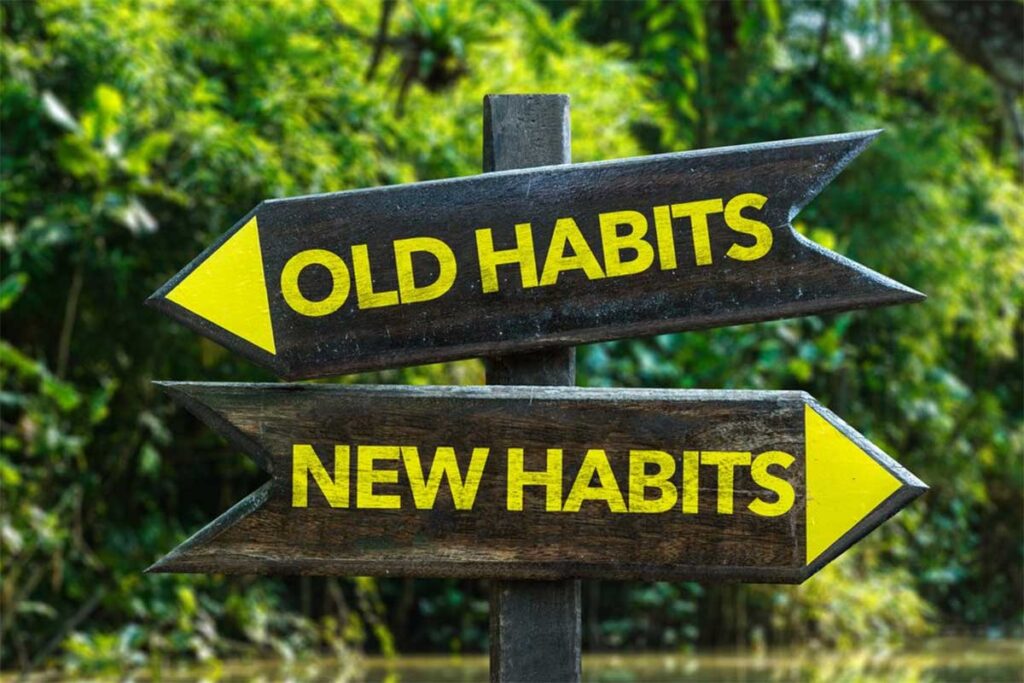
Bella Monte Recovery offers a comprehensive, evidence-based approach to treating both substance use and dual diagnosis. Our treatment programs are tailored to meet the unique needs of each client, ensuring that they receive the appropriate care for both their addiction and any co-occurring mental health disorders.
At Bella Monte Recovery, our holistic treatment model focuses on healing the mind, body, and spirit. Clients have access to a variety of therapies, including individual counseling, group therapy, cognitive behavioral therapy, mindfulness practices, and holistic treatments such as art therapy. We also place a strong emphasis on aftercare and relapse prevention, ensuring that individuals have the tools and support needed to maintain long-term sobriety.
Recovering from substance use and managing a dual diagnosis is a lifelong journey that requires continuous effort and support. Understanding triggers and developing effective coping strategies are essential components of this process.
At Bella Monte Recovery, we provide comprehensive, personalized care that addresses both the physical and emotional aspects of addiction and mental health. With the right tools, support network, and treatment plan, individuals can achieve lasting recovery and build a fulfilling, substance-free life.
For those seeking recovery and a supportive community, Bella Monte Recovery offers not just treatment, but a transformative experience guided by compassion and understanding. Please reach out at 855-808-4213 you or a loved one is seeking help.
Ideally, your spirituality should be a source of healing. How you worship and feel connected to the larger world should be a time filled with love, joy, and connectedness. Unfortunately, that isn’t everyone’s experience. Not every single congregation, church, or worship space is loving, accepting, and healthy. For some, their spiritual or religious upbringing can be a source of deep-seated trauma. This form of trauma is called “spiritual trauma” or “religious trauma” and is often the result of religious abuse.
This type of abuse can come from individuals or the community as a whole. A person can experience spiritual trauma from religious leaders, parents, or spiritual community members. Examples of spiritual or religious abuse can include:
When a person is a victim of spiritual abuse, it can cause them a lot of harm. It can make it difficult to want to dive into spirituality because that part of their life is so intensely triggering. It can also make a person feel lost and confused after their experience. Betrayal from your community or faith affects a deep part of you. Spirituality is an intimate aspect of a person’s life. It’s a source of healing for many who turn to a higher power to make sense of things and to feel a sense of purpose. Losing that part of yourself can be devastating. However, even if you are a victim of spiritual abuse, it’s possible to heal and reconnect with the bigger picture.
Victims of spiritual abuse also struggle during recovery. There are many faith-based treatment and recovery communities, 12-Step programs being the most popular. A program that centers on God or a higher power can be a significant turn-off and potentially triggering.
While spiritual abuse can be devastating and make you feel disconnected from your community or even your core beliefs, healing is possible. Recognizing the trauma and healing from it allows you to utilize this powerful resource in your future recovery.
This might seem obvious, and you may have already started this step, but one of the first things you need to do to heal from trauma is to acknowledge that what you experienced was traumatic. This is an important first step because many people aren’t aware that they’ve experienced trauma. They might feel confused and lost after their experience. They don’t know why they feel awful. Once you’ve acknowledged and accepted that your experience was traumatic, you can begin to process the events.
There are plenty of options when it comes to processing trauma. Choose a therapist or a form of therapy that works best for you. Types of therapy that help with processing complicated feelings toward an event can include things like psychotherapy, group therapy, and EMDR.
Processing trauma can be an emotionally difficult experience. It opens up old wounds as you relive events you pushed into the back of your mind. What’s worse is sometimes the emotions don’t make sense. There might be parts of you that feel nostalgic about that time, while at the same time, you feel disgusted. You might feel angry at your community for not supporting you but sad that you lost that support. Let yourself feel these feelings without judgment. Whatever you feel is normal and valid. It’s okay if your emotions contradict each other. That’s a natural part of being human.
After experiencing spiritual trauma, you most likely lost a whole community of support. You might feel that loss deeply. Unfortunately, leaving a community can mean losing friends, mentors, and even family. You are allowed to grieve this loss. Grieving the loss of a toxic community doesn’t mean you wish to reenter it, but rather that you’re processing the feelings of losing something that was central to your identity at a point in time. Take time to process feelings of grief until you eventually accept that loss.
Sort through your beliefs and values when you are ready. Try to separate what you truly believe and what you were taught to believe. This process can take a lot of time, and it’s okay if there are some things that you aren’t sure about. It can also be difficult and potentially triggering, especially if questioning established beliefs resulted in punishment. When you feel safe, dig deep and answer the big questions. These big questions can become the stepping stones to finding your greater purpose on your own terms.
Spiritual and religious trauma can shake up your worldviews and connection to the bigger picture. It might be hard for you to reconnect to spirituality after what you’ve experienced, but it’s important to heal. Spirituality is a vital part of life, allowing you to discover your purpose and answer life’s biggest questions. It can help to talk to someone about your experience so you can begin the process of healing. Bella Monte specializes in treating trauma lying underneath addiction. We also have trauma informed therapists who specialize in trauma-related therapy. At Bella Monte, every client will go through EMDR therapy. This therapy can help you process your trauma and let you begin your journey of healing. If you would like to learn more ways to heal from spiritual trauma, please call us at 855-808-4213 for more information. We’re here to help you heal.
Here are some things that you can stop doing that may help ease the pressure you’re feeling.
Don’t Buy Into It
It’s typical for alcoholics to try to blame their drinking on circumstances or others around them, including those who are closest to them. It’s common to hear an alcoholic say, “The only reason I drink is because you…”
Don’t fall for it. If someone is an alcoholic, they are going to drink no matter what you do or say. It’s not your fault.
Taking It Personally
When alcoholics promise they will never drink again, but they go back to drinking as much as ever, it is easy to take the broken promises and lies personally. You may think, “If she really loves me, she wouldn’t lie to me.” But if she’s addicted to alcohol, her brain chemistry may have changed to the point that she may not be in control of her own decision making.
Trying to Control It
Many family members try everything to get their loved one to stop drinking. You may think there is something that you can do, but alcoholics can’t control their drinking. Unfortunately, this usually results in leaving their family members feeling frustrated and lonely.
When an alcoholic reaches a crisis point, sometimes that’s the time the person finally admits he has a problem and reaches out for help. But if friends or family members rush in and “rescue” the person, it can delay the decision to get help.
Stopping a Crisis
For those who love an alcoholic, it is very difficult to just let the problem play out to its fullest extent. When they reach a point in their abuse when they get a DUI, lose their job, or get thrown in jail, it is a difficult concept for their loved ones to accept that the best thing they can do is to do nothing. It seems to go against everything they believe. Unfortunately, this causes the cycle to repeat…indefinitely.
Learning detachment will help you allow a crisis—one that may be the only way to create change—happen.
Trying to Cure It
Alcoholism is a progressive disease that can be fatal to the drinker. You love someone who is needs professional treatment to get healthy again but that’s their responsibility, not yours. You’re not a trained counselor and you can’t cure a disease.
Alcoholics usually go through a few stages before they are ready to make a change. Until they contemplate quitting, any actions you take to “help” her quit will often be met with resistance.
Covering It Up
Alcoholics typically don’t want people to know how much they drink because if he full extent of the problem became known, people might try to intervene. If family members try to “help” (enable the alcoholic) by covering up for their drinking and making excuses, they are playing right into the denial game. Dealing with the problem openly and honestly is the best approach.
Accepting Unacceptable Behavior
Accepting unacceptable behavior usually begins with some small incident that family members brush off with, But the next time, it may get a little worse and then even worse. You slowly begin to accept more and more and before you realize it, you can find yourself in a full-blown abusive relationship.
Abuse is never okay and you don’t have to accept it in your life. It’s important to protect your children from unacceptable behavior as well as growing up in an alcoholic home can leave lasting scars.
Having Unreasonable Expectations
One problem of dealing with an alcoholic is that what might seem like a reasonable expectation might be totally unreasonable with an alcoholic. When they swear to you and to themselves they’ll never touch another drop, you might expect that they are sincere and they won’t drink again. But is it reasonable to expect someone to be honest with you when the person is incapable of even being honest with himself or herself?
Living in the Past
The key to dealing with alcoholism is staying focused on the situation as it exists today. Alcoholism is a progressive disease that continues to get worse until the alcoholic seeks help. You can’t allow the mistakes of the past to affect your choices today because circumstances change.
Enabling
Often, loved ones enable alcoholics to continue along their destructive paths. What happens when you enable an alcoholic? It depends on the situation but what usually happens is that the alcoholic never feels the pain and it takes the focus off of their behavior.
For example, if an alcoholic passes out in the yard, and you help him into the house and into bed, only you feel pain. The focus becomes the things you did rather than what he did. If he wakes up on the lawn and comes into the house while you and the children are eating breakfast, the only thing for him to face is his own behavior. In other words, his actions, rather than your reaction, becomes the focus. It is only when he feels and accepts his own pain that he will want to change.