An Intensive Outpatient Program (IOP) is a structured treatment plan for individuals dealing with substance use or mental health issues.
Unlike inpatient care, IOPs allow individuals to live at home while attending therapy sessions. This approach provides essential support without requiring full-time residence, making it feasible for those who need substantial treatment but can manage their daily routines.
Intensive Outpatient Programs (IOPs)1 are structured treatment plans designed for individuals battling substance use disorders and mental health conditions. These programs are particularly suited for those who do not require medical detoxification or continuous supervision, enabling them to live at home while attending therapy sessions.
An intensive outpatient program, IOP, typically caters to people who need consistent mental health support but can manage without the intensive care provided by inpatient facilities.
The primary goal of IOPs is to offer comprehensive treatment that helps individuals maintain their daily responsibilities, such as work or school, while receiving the necessary care. Research2 supports the effectiveness of IOPs in achieving positive treatment outcomes, indicating that these programs are a viable alternative to inpatient treatment.
Participants in IOPs learn vital skills for relapse management, coping strategies, and establishing psychosocial supports, which are crucial for long-term recovery.
These programs also serve as a stepping stone for those transitioning from inpatient care, allowing them to continue their recovery process without the need for round-the-clock supervision.

Understanding the differences between Intensive Outpatient Programs and inpatient treatment is essential when choosing the right level of care. While both approaches provide structured addiction treatment, they differ in intensity, flexibility, and living arrangements.
Inpatient treatment offers 24/7 medical and clinical support in a residential setting. Clients live at the facility for the duration of care, making this level of treatment especially beneficial for individuals who require medical detox, are at high risk of relapse, or need a highly structured environment to break free from triggers and negative influences.
Intensive Outpatient Programs, on the other hand, provide a structured but more flexible treatment model. Clients live at home and attend scheduled therapy sessions, allowing them to maintain work, school, or family responsibilities while still receiving intensive support.
Most IOPs require at least 12 hours of participation each week, including individual counseling, group therapy, and family therapy sessions.
Ultimately, the choice between inpatient treatment and IOPs depends on a person’s specific needs, level of stability, and recovery goals.
Intensive Outpatient Programs are effective due to their comprehensive and multifaceted approach to treatment. Generally, IOPs encompass three primary components: individual therapy, group therapy, and family therapy. Each of these elements plays a crucial role in supporting the recovery journey.
Individual therapy focuses on addressing the unique challenges faced by each participant, providing personalized care that targets specific mental health and substance use issues. Group therapy fosters a sense of community and shared experience, allowing participants to learn from and support one another.
Family therapy aims to strengthen the support system around the individual, improving communication and relationships with loved ones.
Individual therapy serves as a cornerstone of intensive outpatient programs, offering a personalized approach to treatment. These sessions are tailored to address each patient’s unique experiences and challenges, starting with an in-depth evaluation to identify specific concerns. The personalized nature of individual therapy allows for targeted interventions that are crucial in addressing personal mental health challenges.
Cognitive Behavioral Therapy3 is a common technique used in these sessions, helping patients develop coping skills and reframe cognitive distortions.
Focusing on altering negative thought patterns, CBT reduces the risk of relapse and empowers patients to handle real-life situations more effectively. This personalized attention ensures that each patient’s unique needs are met, fostering a more effective recovery process through behavioral therapies.
Group therapy4 in IOPs offers a unique and invaluable support system. The primary goal is to build connections and share experiences, creating a supportive environment where participants can learn from each other’s struggles.
These sessions encourage individuals to share their stories, fostering a sense of community and mutual support.
By participating in group therapy, individuals can gain insights from others who are facing similar challenges, which can be incredibly motivating and reassuring.
The shared experience helps participants realize they are not alone in their journey, promoting a sense of solidarity and collective healing, which can be a significant benefit.
This communal aspect of treatment is instrumental in building resilience and fostering long-term recovery.
Family therapy is a critical component of intensive outpatient treatment, aiming to include family members in the healing process. This approach strengthens relationships and improves communication, providing a robust support system for the patient.
Family therapy involves loved ones and helps build a more supportive and understanding home environment, which is essential for long-term recovery.
Including family members in therapy sessions can help address any underlying issues within the family dynamic that may contribute to substance abuse or mental health challenges. This holistic approach ensures that the patient is supported not just by the clinical team but also by a network of loved ones who are better equipped to aid in their recovery journey through substance abuse treatment.
Intensive outpatient programs utilize a variety of evidence-based therapies to address the complex needs of their participants. Common treatment modalities include Cognitive Behavioral Therapy (CBT), Motivational Interviewing (MI), and 12-Step Facilitation.
These therapies are often integrated with psychoeducation to inform patients about the impact of their conditions and the importance of a treatment program.
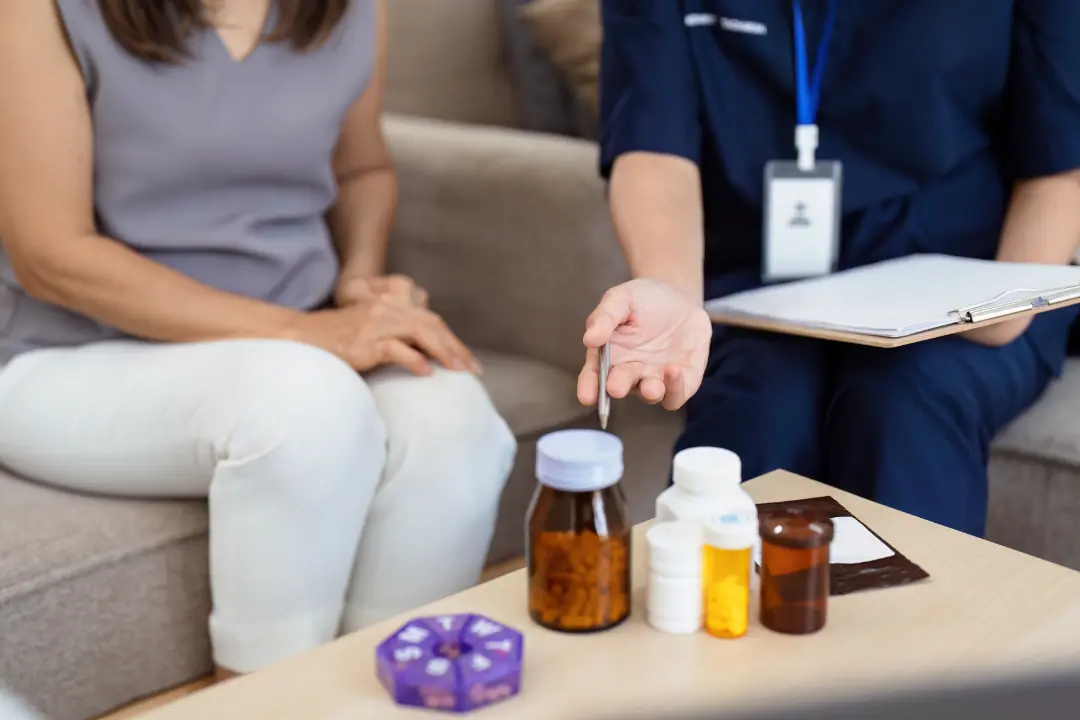
Cognitive Behavioral Therapy3 is a cornerstone of many Intensive Outpatient Programs (IOPs), known for its effectiveness in altering negative thought patterns and behaviors. The main idea behind CBT is to help patients reframe negative thoughts that contribute to emotional distress, including suicidal thoughts, thereby reducing the risk of relapse.
This therapy is particularly suitable for IOPs as it allows patients to test new skills in their everyday environments, providing real-time feedback and adjustment.
CBT sessions focus on practical strategies for coping with stress, managing triggers, and improving overall mental health.
By addressing the cognitive distortions that often accompany substance use and mental health disorders, CBT helps patients develop healthier thinking patterns and behaviors. This proactive approach is instrumental in fostering long-term recovery.
Motivational Interviewing5 is another essential therapy used in IOPs, aimed at helping patients overcome ambivalence towards treatment and promoting behavior change.
MI focuses on creating a collaborative relationship between the counselor and the client, fostering a supportive environment that encourages self-reflection and goal-setting.
Active participation and guided conversations in MI help individuals explore their motivations for change, resolve any ambivalence, and commit to the recovery process.
This client-centered approach empowers patients to actively participate in their treatment, making informed decisions that align with their personal values and goals.
12-Step Facilitation is a therapeutic approach that encourages engagement with community-based support systems, such as Alcoholics Anonymous or Narcotics Anonymous. This approach promotes active participation in these mutual support groups, providing a continuous network of peers who understand the recovery journey.
Involvement in 12-Step groups offers ongoing support and accountability, which are crucial for maintaining long-term sobriety. The sense of community and shared experience in these groups can be incredibly empowering, helping individuals stay committed to their recovery goals.
This facilitation is an integral part of many IOPs, complementing the clinical therapies provided.
The duration and schedule of intensive outpatient programs can vary based on individual needs and progress. Most IOPs span from 8 to 12 weeks, but some programs may extend to 90 days or more, depending on the severity of the individual’s condition and their response to treatment. This flexibility allows for a tailored approach to recovery, accommodating different paces and needs.
Participants usually attend therapy sessions three to four times a week, with group sessions occurring three to five times per week. Each session lasts between two to four hours, providing ample time for comprehensive care without overwhelming the participant.
This structured yet flexible schedule ensures individuals receive consistent support while managing their daily responsibilities.
Intensive Outpatient Programs (IOPs) offer several unique advantages, making them a highly effective treatment option for many individuals in recovery. One of the most significant benefits is affordability; IOPs generally cost less than residential or inpatient treatment, reducing financial barriers and making quality care more accessible to those who need it.
Another key benefit is flexibility. IOPs allow clients to continue meeting work, school, and family responsibilities while participating in structured therapy sessions. This balance helps individuals maintain stability in their daily lives and sustain important social connections, both of which are critical to long-term recovery.
In addition, IOPs provide access to comprehensive support services beyond therapy alone. These may include case management, vocational support, relapse prevention planning, and skill-building workshops. By addressing practical needs, such as employment, housing, and long-term recovery planning, IOPs help clients build a strong foundation for lasting sobriety.
Ultimately, IOPs combine professional guidance, therapeutic support, and real-world flexibility, giving individuals the tools and confidence to achieve recovery without stepping away from their everyday lives.

Choosing the right intensive outpatient program is a crucial step in the recovery journey. Consider factors such as accreditation, personalized treatment plans, and the range of services offered.
Programs offering comprehensive care that address both substance use and co-occurring mental health conditions often provide the best outcomes.
Evaluating these factors can help you choose an IOP that aligns with your specific needs and recovery goals, including access to mental health services, psychiatric services, and substance abuse treatment services.
While Intensive Outpatient Programs provide structure and flexibility, they aren’t always enough for people facing moderate to severe addiction, repeated relapses, or unresolved trauma. In these situations, the home environment may still expose individuals to triggers, stressors, and unhealthy patterns that make it difficult to maintain sobriety. Without 24/7 supervision and a safe, controlled setting, the risk of relapse can remain high.
Residential treatment at Bella Monte Recovery Center™ offers a more immersive and protective path. By living on-site in a supportive, healing environment, clients are completely removed from the distractions and triggers of everyday life.
Surrounded by compassionate professionals who provide round-the-clock care, individuals gain the stability, structure, and focused attention needed to break free from addiction and begin rebuilding a healthier future.
Our Residential Detox Treatment Program in Desert Hot Springs, CA is designed for individuals who need continuous, intensive support to achieve lasting recovery. Clients live within a structured therapeutic community where each day is carefully designed to promote healing and growth.
With 24/7 access to medical care, clinical support, and emotional guidance, clients can safely manage withdrawal symptoms, address mental health challenges, and focus fully on their recovery journey.
Unlike outpatient programs, residential care allows for deeper healing. Through individualized therapy, trauma processing, group sessions, and holistic practices, clients develop coping skills, resilience, and the confidence to sustain long-term sobriety.
Each day balances therapeutic work with activities that promote wellness and self-reflection, creating steady, sustainable progress.
Choosing Bella Monte Recovery means choosing more than treatment; it’s choosing an environment designed to restore mind, body, and spirit. Our resort-like setting in Desert Hot Springs offers peace and tranquility, helping clients reset and reconnect with themselves.
Amenities like a pool and fitness center support physical and emotional wellness, while mindfulness practices reduce stress and build inner strength.
By living in this serene, supportive environment, clients are removed from the chaos and triggers of daily life. Every detail, from therapeutic scheduling to peaceful surroundings, is intentional, helping clients feel safe, focused, and inspired as they begin the process of rebuilding their lives.
Our multidisciplinary team of doctors, therapists, case managers, and holistic practitioners works together to deliver truly individualized care. Evidence-based therapies like CBT and DBT are paired with trauma-informed approaches and family involvement to strengthen support systems and mend broken relationships.
Our Case Management team supports clients with practical needs such as employment, housing, and aftercare planning. By addressing every aspect of a person’s life, we ensure they leave not only with sobriety but also with a strong plan and the resources to thrive long-term. Contact us today to book a confidential consultation.
An Intensive Outpatient Program (IOP) is a structured treatment designed for individuals with substance use disorders and mental health conditions, allowing them to maintain their home life while attending therapy sessions. This approach offers a flexible yet comprehensive path to recovery.
An Intensive Outpatient Program (IOP) differs from inpatient treatment by allowing individuals to receive structured care without the necessity of residing at the facility, thereby enabling them to maintain their daily routines while benefiting from the support they need.
Inpatient treatment, on the other hand, requires patients to live on-site and receive round-the-clock care.
Traditional outpatient therapy allows clients to live at home while attending scheduled counseling sessions for drug or alcohol abuse. Inpatient programs, however, provide 24/7 care in a structured environment, often recommended by addiction medicine specialists for more severe cases.
Cognitive Behavioral Therapy (CBT), Motivational Interviewing (MI), and 12-Step Facilitation are commonly used in Intensive Outpatient Programs (IOPs). These therapies are often integrated with psychoeducation and other evidence-based practices to meet individual participant needs effectively.
An Intensive Outpatient Program (IOP) typically lasts 8 to 12 weeks, though some may extend to 90 days or longer depending on individual progress and severity. For optimal recovery, the duration must be tailored to meet each person's specific needs.
Intensive Outpatient Programs play a vital role in addiction recovery, offering structure, therapy, and support while allowing individuals to maintain daily responsibilities. They are particularly effective for those who are stable enough to live at home, yet still need consistent therapeutic care to build resilience and long-term recovery skills.
However, for individuals with more complex needs, such as repeated relapses, co-occurring mental health challenges, or a high-risk home environment, residential treatment may be the stronger option. The immersive, 24/7 care provided in a residential setting removes distractions, minimizes exposure to triggers, and creates a safe, supportive space where healing can go deeper.
At Bella Monte Recovery Center™, we believe that recovery is not one-size-fits-all. Our trauma-informed therapies, holistic wellness practices, and dedicated Case Management team give clients the tools, stability, and confidence to achieve lasting recovery.
If you or a loved one is considering seeking treatment, trust Bella Monte Recovery Center™. We do whatever it takes to help you heal, rebuild, and thrive.
The information in this article is provided for general educational and informational purposes only and should not be taken as medical advice, diagnosis, or treatment.
Bella Monte Recovery Center™ does not provide clinical guidance through this content and assumes no responsibility for reliance on the information presented. Always consult a qualified healthcare provider before starting, stopping, or changing any medical treatment.
Reading this article does not create a doctor–patient or provider–client relationship with Bella Monte Recovery Center™. If you are experiencing a medical emergency, call 911 immediately. For professional support with addiction treatment, contact our admissions team.
When a person decides to get professional help for a substance use disorder (SUD), they have several options for what kind of treatment they can receive. Many treatment centers offer their clients different types of therapy, such as individual, group, skills-focused, relapse prevention, and art therapy. These forms of therapy are often used in combination to provide individuals with multiple venues of expression and healing.
Art therapy uses artistic methods to treat psychological disorders and enhance mental health. Art therapy is practiced in mental health, rehabilitation, medical, educational, and forensic settings, as well as in private practices, workshops, and small group settings.
Art therapy was founded on the belief that self-expression through artistic creation has therapeutic value for those who are healing or seeking a deeper understanding of themselves and their personalities. It is rooted in the idea that creative expression can foster healing and mental well-being.
It’s no secret that people have been using the arts for communication, self-expression, and healing for thousands of years, but it wasn’t until the 1940s that art therapy became a formal program. It all started with doctors noting that individuals living with mental illness often expressed themselves in drawings and other artworks, which led many to explore the use of art as a healing strategy.
Art therapy can treat a wide range of mental disorders and psychological distress. In many cases, it can be used in conjunction with other therapeutic modalities, such as group therapy or cognitive-behavioral therapy (CBT), as part of a treatment plan.
A study conducted at Drexel University demonstrated that as little as 45 minutes of creative activity can reduce stress and positively impact mental health, regardless of artistic experience or talent. The goal of art therapy is to use the creative process to help people explore self-expression, and in doing so, find new ways to gain personal insight and develop new, healthy coping skills.
As individuals create art, they may analyze what they have made and how it makes them feel. Through exploring their art, people can look for themes and conflicts that may be affecting their thoughts, emotions, and behaviors in hopes that it will improve or restore the individual’s functioning and sense of well-being. It’s not about creating an artistic masterpiece but rather finding associations between the creative choices and an individual’s inner life.
Art therapists are trained in both art and therapy. The process of art therapy isn’t like an art lesson. Rather, it is grounded in the knowledge of human development, psychological theories, and counseling techniques. With the guidance of a credentialed art therapist, individuals can decode the nonverbal messages, symbols, and metaphors often found in art, which can lead to a better understanding of their feelings and behaviors so they can move on to resolve deeper issues.
Some art forms that are used in art therapy include:
Once the art pieces are complete, the art therapist will do what they are trained to do. Art therapists understand the roles that color, texture, and various art media can play in the therapeutic process and how these tools can help reveal a person’s thoughts, feelings, and psychological disposition.
The therapist guides the individual through a conversation using their artwork as a springboard for reawakening memories and telling stories that may reveal messages and beliefs from the unconscious mind. This fosters discussion and the ability for individuals to look inward and communicate their feelings out into the world.
Art therapy plays a key role in addiction treatment in many rehabilitation facilities to help aid in the recovery process. The inclusion of art therapy offers more robust treatment options and can improve patient outcomes. Viewing, discussing, and interpreting existing art can help in group discussions and can motivate individuals to change by moving them away from reflection and into a state of action. Additionally, combining art therapy with other holistic approaches, can enhance the overall therapeutic experience. These complementary treatments promote relaxation and self-awareness, further supporting the individual’s journey toward healing. By integrating various modalities, rehabilitation programs can foster a more comprehensive and personalized approach to recovery.
In addition to having the ability to teach non-addictive self-soothing techniques in the form of art, art therapy has many benefits for those struggling with SUD, such as:
Art therapy can be a part of a treatment plan for a variety of mental health issues, including SUD. Because of its efficacy, many addiction treatment centers include art therapy as one of the holistic treatment modalities used to complement traditional forms of talk therapy. Art therapy provides clients with a creative outlet to express their feelings and experiences, facilitating a deeper connection to their emotions. This is particularly beneficial in the context of understanding addiction and its effects, as it allows individuals to confront and process their challenges in a non-threatening manner. By integrating artistic expression into treatment, patients can gain insights into their behaviors and motivations, promoting healing and resilience.
Art therapy allows individuals to explore their feelings, reconcile emotional conflicts, foster self-awareness, manage behavior, develop social skills, improve reality orientation, reduce anxiety, and increase self-esteem. If you or a loved one is struggling with substance use disorder (SUD), art therapy may be a treatment option worth trying during your recovery process. Here at Bella Monte Recovery Center in Desert Hot Springs, California, we use a holistic, or whole-person, approach to SUD treatment that utilizes art therapy in conjunction with other types of therapy. Our team of professionals treats every client with compassion and tailors an individual program to each client’s individual needs. This gives clients at our facility the best possible chance at recovery and living a sober lifestyle. To learn more about what we have to offer our clients on their unique recovery journeys, call (800) 974-1938 today.
It is normal to feel bored, sad, and unsatisfied with life. However, when these feelings start to linger for days, weeks, or longer, it may signify that depression is beginning to develop.
Depression is a chronic mental illness that negatively affects how people think, act, and behave. If left untreated, symptoms can become so severe that even the simplest tasks can appear daunting.
Depression is considered a mood disorder characterized by distorted or inconsistent emotional states that interfere with an individual’s ability to function. The most popular treatment methods recommended for those struggling with mood disorders are psychotherapy and medication, although new, evidence-based therapies are becoming more readily available.
One of these new and modern approaches is art therapy.
Art therapy is a treatment modality that encourages creative expression to enhance mental health or treat psychological disorders. Similar to music therapy or expressive writing, art therapy offers a unique experience that relies solely on the creative process to foster healing and self-expression.
One of the most frustrating parts of psychotherapy treatment for those experiencing emotional difficulties is that they are encouraged to verbalize their feelings, even if they don’t have the words to do so. Art therapy, or the appreciation of art, can help people explore those emotions in a way other than words, which can seem intimidating or overwhelming.
Art therapy may utilize several creative approaches, such as:
In sessions, clients are encouraged to express themselves or their emotions through one of these approaches. As clients create their art, they analyze what they are making and how their art piece makes them feel. As they explore their art, clients can connect bigger themes to their artwork that can help them understand their own emotions and thought processes.
Several factors make art therapy an effective treatment modality for depression, alongside many other mental health conditions. Art therapy may provide incredible benefits, such as:
Art therapy sessions can take place anywhere at any time. Many addiction and mental health treatment centers offer art therapy, but several wellness centers or art studios may offer it as well. You may also seek art therapy opportunities within your community.
If art therapy sounds like something that you or a loved one may benefit from, here are some tips that may help:
Art therapy is a transformative intervention that helps individuals express their thoughts and feelings using creativity. Art therapy relies heavily on the use of expression without using words — although it encourages exploration of feelings and thoughts during the process of creating and analyzing art. Art therapy can help treat depression because it allows people to explore a side of themselves that they may not have explored before. Art can help boost emotion, reduce harmful thought patterns, and foster a greater sense of self-esteem and confidence. Bella Monte Recovery Center believes in the power of art therapy in the treatment of many conditions, including depression. We also believe that love is extraordinary in the healing process, which is why our treatment center promotes compassion. If you or somebody you love needs help, get help today. To learn more about our treatment programs, contact Bella Monte Recovery Center today by calling (800) 974-1938.