Integrated mental health brings together mental health care and medical care into one coordinated approach. Instead of treating your mind and body separately, integrated care recognizes that your mental wellness and physical health are deeply connected—and treating them together leads to better outcomes.
Quick Answer: What is Integrated Mental Health?
When you visit a doctor for diabetes, they check your blood pressure and weight. But how often do they ask about your mood, stress level, or substance use? For too long, American healthcare has treated mental health and physical health as separate issues—even though they profoundly affect each other.
The numbers tell a sobering story. About one in five U.S. adults experiences mental illness each year, yet only 43% receive any treatment. For substance use disorders, that drops to just 11%. Meanwhile, people with serious mental illnesses like schizophrenia or major depression die 10 to 20 years earlier than the general population—mostly from preventable physical health conditions like heart disease.
This fragmentation doesn't just create gaps in care. It costs lives.
Integrated mental health care offers a different path. It's built on a simple but powerful idea: your mind and body aren't separate systems. Depression makes managing diabetes harder. Chronic pain increases anxiety. Substance use often masks untreated trauma. When providers address all of these together—in one place, with one team—people get healthier faster and stay healthier longer.
If you're struggling with both addiction and mental health challenges like depression or anxiety, this integrated approach isn't just helpful—it can be life-changing. You don't have to steer a maze of disconnected appointments and specialists. Instead, you get whole-person care that sees you completely and treats you comprehensively.
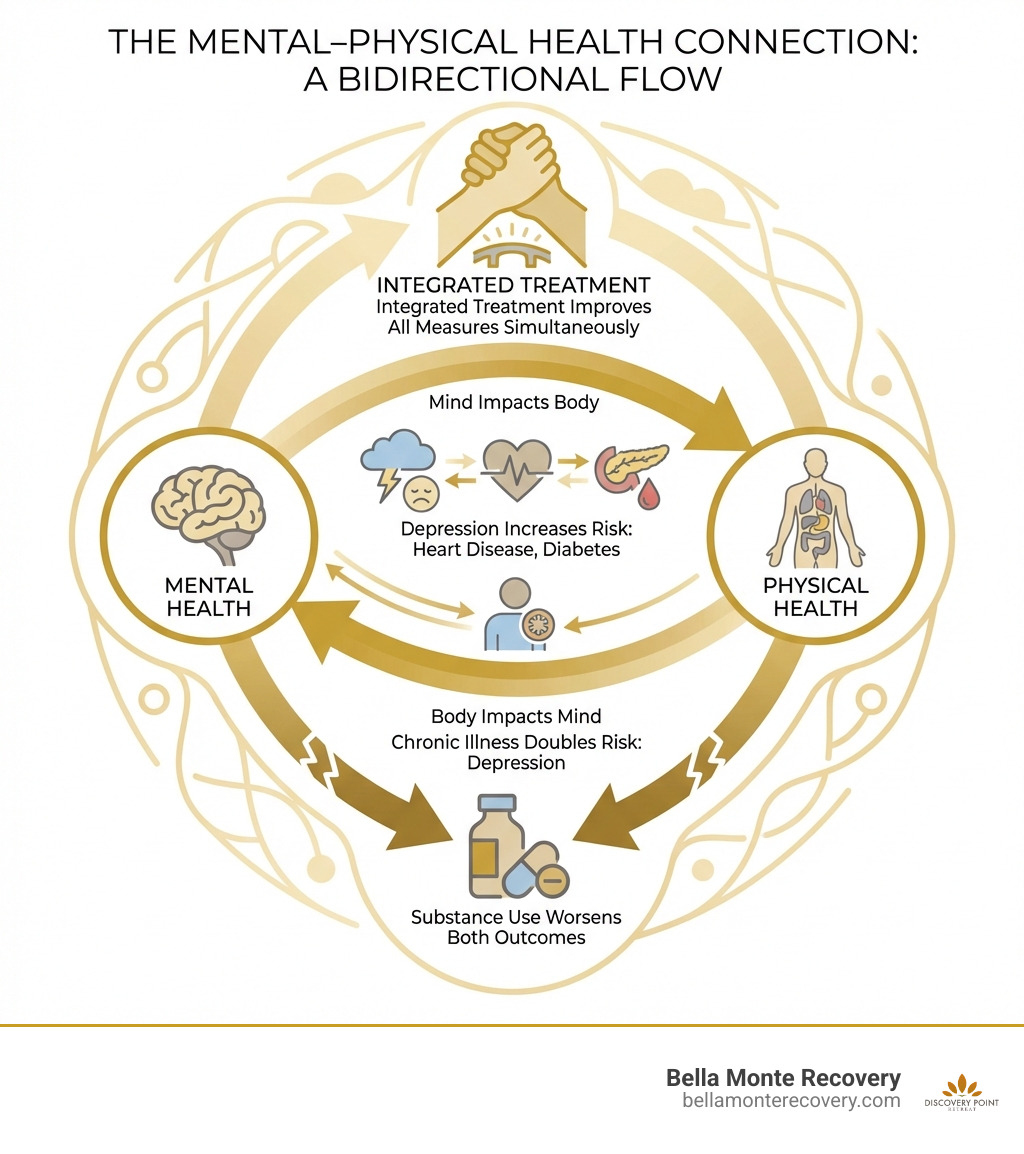
We believe that true healing comes from treating the whole person. This is precisely what integrated mental health aims to achieve by seamlessly blending behavioral health services with general medical care. This approach isn't just a nice idea; it's backed by a growing body of evidence demonstrating significant improvements in overall health outcomes.
When your physical and mental health providers work together, it leads to:
The stakes are incredibly high. People with serious mental illnesses, such as schizophrenia, bipolar disorder, and major depressive disorder, die 10 to 20 years prematurely relative to the overall population. This is primarily due to preventable physical health conditions like cardiovascular disease, highlighting the critical need for an integrated approach that addresses both aspects of health. Mental health issues, in fact, rank second to cancer on the chronic disease list for aging Americans.
At Bella Monte Recovery, we understand that a truly effective path to wellness involves a whole person approach to addiction treatment – one that acknowledges the intricate dance between your mind, body, and spirit.
The beauty of integrated mental health lies in its ability to holistically address complex conditions that often co-occur, such as depression, anxiety, and substance use disorders (SUDs). These conditions rarely exist in isolation; they intertwine and exacerbate each other, making fragmented care largely ineffective.
Perhaps one of the most critical areas where integrated care shines is in navigating dual diagnosis—the co-occurrence of a mental health disorder and a substance use disorder. Untreated mental health conditions often increase reliance on substances for relief, complicate recovery efforts, and lead to repeated instability. Integrated care addresses both conditions simultaneously, recognizing their interconnectedness and preventing individuals from falling through the cracks of a fragmented system.
The scientific evidence for collaborative care for depression and anxiety problems is extensive, with two meta-analyses of 37 collaborative care clinical trials published in 2006 suggesting that employing a care manager with mental health training and frequent psychiatrist supervision were associated with better patient outcomes. This robust evidence base demonstrates that when we treat the mind and body as one, we open up more effective and sustainable paths to recovery.
The concept of integrating mental and physical health care is not a one-size-fits-all solution; rather, it exists along a continuum of integration. This means there's no single "best" model, but rather a spectrum of approaches that vary in their level of collaboration and physical proximity between general medical and behavioral health services. From basic communication to fully merged teams, the goal remains the same: to provide comprehensive, coordinated care.
Understanding the different models of integrated mental health helps us appreciate the various ways care can be delivered:
These models, and others along the continuum, demonstrate the flexible nature of integrated mental health to suit different healthcare settings and patient needs. To learn more about the nuances of these approaches, you can explore resources like What is Integrated Behavioral Health?.
Regardless of the specific model chosen, certain core elements are crucial for successful integrated mental health care. These elements ensure that the care provided is comprehensive, coordinated, and truly patient-centered:
These elements, when woven together, create a powerful framework for delivering truly comprehensive and effective integrated mental health services.
Despite the clear benefits and growing evidence base, implementing integrated mental health models on a wide scale has faced significant problems. It's a bit like trying to build a bridge between two islands that have historically operated independently.

The challenges are complex, ranging from financial disincentives to deeply ingrained systemic issues. However, the future of healthcare undeniably points towards greater integration, driven by the recognition that treating the whole person is the most effective and compassionate approach.
The path to widespread adoption of integrated mental health models is fraught with obstacles:
Despite the challenges, we're seeing concerted efforts to overcome these barriers, largely through advancements in technology and strategic policy changes. These two areas are crucial for scaling integrated mental health nationwide.
Policies that adequately support the structural elements of integrated care, incentivize multidisciplinary team formation, expand the behavioral health workforce, and address social determinants of health are essential. We must continue to push for these changes, ensuring that everyone has access to the comprehensive care they deserve. For those struggling with substance use, these policy shifts directly impact the availability and effectiveness of services that help those struggling with substance use to find lasting recovery.
If you're in California and seeking integrated mental health services, you're in a state that is actively exploring and implementing innovative healthcare models. Our state, including areas like Desert Hot Springs, Palm Springs, and throughout Southern California, is increasingly recognizing the value of treating the whole person. Finding the right program can make all the difference in your wellness journey.
Your primary care provider is often the best first step. Most mental health concerns first present in primary care, placing your PCP in a critical role. They can screen for common mental health conditions, discuss your concerns, and potentially refer you to integrated services within their own network or to a specialized center. Integrated behavioral health is designed to improve and support the work of PCPs, not replace them. They remain a key part of your overall care team.
Before starting on treatment, it's wise to contact your insurance provider. Most insurance plans, including Medicare, cover some integrated behavioral health services, especially models like Collaborative Care. Individual therapy is also generally covered. Be sure to ask:
California is home to many forward-thinking healthcare providers and facilities that offer integrated care. Our own Bella Monte Recovery Center provides comprehensive, personalized, and evidence-based addiction and mental health treatment right here in Desert Hot Springs. We understand the unique needs of individuals struggling with co-occurring disorders and offer specialized programs like Desert Hot Springs dual diagnosis services and Palm Springs dual diagnosis treatment. We focus on holistic recovery plans to help you reclaim your life.
When evaluating integrated mental health programs, look for specific features that indicate a commitment to comprehensive, effective, and patient-centered care:
By seeking out programs that embody these qualities, you can ensure you receive the most effective and comprehensive integrated mental health care available in California.
The journey to comprehensive wellness is a deeply personal one, yet it doesn't have to be walked alone. As we've explored, integrated mental health care offers a approach, acknowledging that your mental and physical health are inextricably linked. This isn't just a philosophy; it's a proven model that leads to better outcomes, increased access to care, reduced stigma, and even cost savings.
We understand that navigating mental health and addiction challenges can feel overwhelming. The fragmented healthcare system of the past often compounded this difficulty, leaving individuals to piece together their own care. But the future is integrated, and we are committed to being at the forefront of this holistic approach.
At Bella Monte Recovery, we champion the power of integrated mental health. Our personalized, evidence-based programs in Desert Hot Springs and Palm Springs are designed to treat the whole person, addressing both addiction and co-occurring mental health conditions like depression and anxiety. We believe in empowering you with the tools, support, and comprehensive care needed to reclaim your life.
Your path to comprehensive wellness starts here, where your mind and body are seen, understood, and healed together. If you or a loved one are ready to accept this journey, we invite you to explore dual diagnosis treatment centers in California and find how integrated care can transform your life.
Inpatient depression treatment provides 24-hour medical and psychiatric care in a structured hospital or residential setting for individuals experiencing severe depression that cannot be safely managed through outpatient services. When comparing intensive care facilities, here's what you need to know:
Key Factors When Comparing Inpatient Depression Treatment Centers:
| Factor | What to Look For |
|---|---|
| Crisis Stabilization | 24/7 medical supervision, safety protocols, psychiatric evaluation |
| Treatment Duration | 3-10 days (acute hospital), 30-90+ days (residential programs) |
| Clinical Team | Psychiatrists, psychologists, nurses, therapists, medical physicians |
| Therapeutic Modalities | CBT, DBT, medication management, holistic therapies, family involvement |
| Accreditation | State licensing, JCAHO certification, staff credentials |
| Aftercare Planning | Discharge support, step-down programs (PHP/IOP), relapse prevention |
Depression affects more than just occasional sadness. 8.4% of US adults—around 21 million people—experienced at least one major depressive episode in 2020. For many, outpatient therapy and medication provide sufficient support. But for those experiencing suicidal thoughts, treatment-resistant depression, or severe symptoms that disrupt basic functioning, inpatient care becomes essential.
The distinction between feeling sad and needing hospitalization can be confusing. Inpatient treatment serves those in crisis—when depression creates an immediate safety risk or when symptoms are so severe that eating, sleeping, or basic self-care becomes impossible. It's also the appropriate level of care when co-occurring disorders like substance use complicate recovery, or when previous treatment approaches haven't worked.
Understanding your options helps you make informed decisions during what may be the most difficult time. Whether you're considering care for yourself or a loved one, knowing what different facilities offer, how admission works, and what to expect during treatment removes some of the fear from taking this courageous step.
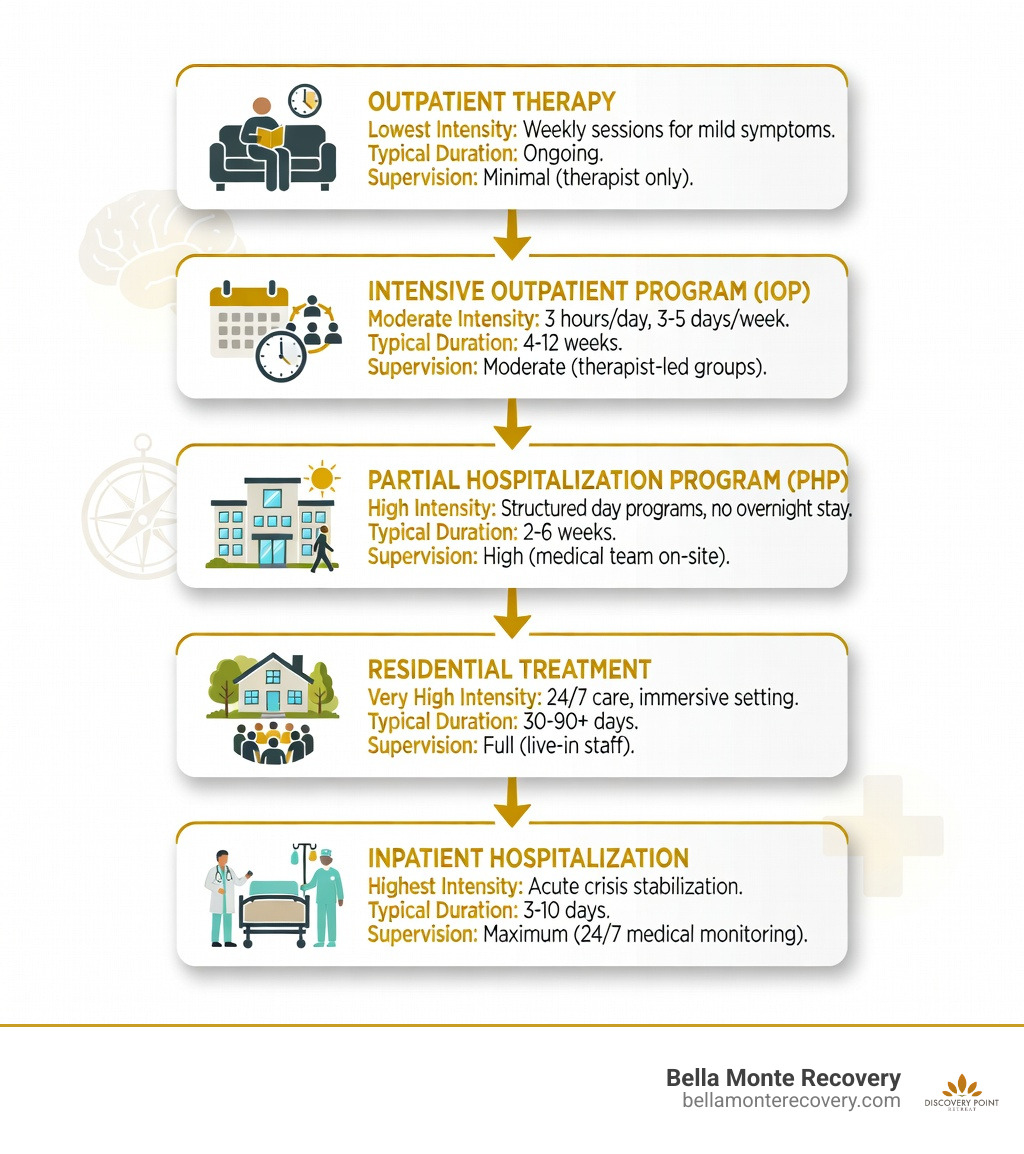
When we talk about Inpatient depression treatment, we are referring to the highest level of clinical care available for mental health. It is designed for individuals who have reached a point where their depression is no longer manageable in a traditional home environment. Think of it as a "sanctuary of stabilization"—a place where the noise of the outside world is silenced so you can focus entirely on healing under the watchful eye of a professional medical team.
But how do you know if this level of care is right for you or your loved one? We often see people wonder, can you go to rehab for depression? The answer is a resounding yes. Inpatient care is specifically for those facing:
Statistics show that 1 in 15 adults (6.7%) experience depression each year, and 1 in 6 people will face it during their lifetime. Research suggests women are at a higher risk, with 1 in 3 women experiencing a major depressive episode in their life. Recognizing the warning signs of suicide is critical; if these signs are present, immediate 24-hour supervision in an inpatient setting is often the safest course of action.
The idea of "checking in" can be intimidating, but we want to assure you that the process is designed to be supportive, not scary. When you arrive at a facility in Southern California, the first step is a comprehensive psychiatric evaluation and intake assessment. This isn't just paperwork; it’s our way of understanding your unique story, your medical history, and your specific symptoms to build a personalized roadmap for your recovery.
Once admitted, you’ll find a highly structured daily routine. Structure is actually a form of medicine for a depressed brain—it removes the "decision fatigue" that often keeps people stuck in bed. A typical day involves:
You might wonder, what happens during hospitalization? Essentially, you are placed in a safe environment where harmful objects are removed, and support is available 24/7. The duration of stay varies. Acute hospital-based stays are often shorter, lasting 3 to 10 days for stabilization. However, many people find that understanding residential treatment opens the door to longer-term care. Residential programs often last 30 days or more, allowing for deeper work once the initial crisis has passed.
In an inpatient setting, we utilize a "toolbox" of evidence-based therapies. While talk therapy is a staple, intensive programs offer much more.
For those interested in the cutting edge of medicine, some facilities participate in Mayo Clinic clinical trials, providing access to emerging therapies for mood disorders.
Your rights do not disappear when you enter a treatment facility. In fact, they are protected by law. Most admissions are voluntary, meaning you make the courageous choice to seek help. Even in voluntary cases, the facility must ensure you are safe before discharge.
It is very common for depression to bring "uninvited guests" like anxiety or substance use. When someone struggles with both, we call it a dual diagnosis care scenario. Many people try to "self-medicate" their depression with alcohol, but because alcohol is a central nervous system depressant, it ultimately makes the depression much worse.
In an inpatient setting, we can address both simultaneously. This might involve a residential substance abuse treatment program that includes medical detox to safely manage withdrawal symptoms while beginning intensive psychiatric care.
Pharmacotherapy, or medication management, is a cornerstone of inpatient care. Because you are under 24/7 supervision, doctors can adjust dosages or switch medications much more quickly and safely than they could in an outpatient setting. This might include "lithium augmentation" for treatment-resistant cases or specific symptom profiling to match the right drug to your specific needs (e.g., choosing a medication that helps with sleep if you have insomnia).
Table: Common Medication Strategies in Inpatient Settings
| Medication Category | Common Examples | Primary Goal |
|---|---|---|
| SSRIs/SNRIs | Fluoxetine, Sertraline, Duloxetine | Standard mood stabilization |
| Atypical Antidepressants | Bupropion, Mirtazapine | Targeting energy, sleep, or appetite |
| Augmentation Agents | Lithium, Atypical Antipsychotics | Boosting the effect of primary antidepressants |
| Anxiolytics | Benzodiazepines | Immediate relief for acute anxiety or agitation |
Inpatient treatment is the "jumpstart," but recovery is a lifelong journey. As the saying goes, "Treatment is what gets you well; recovery is what keeps you well." This is why discharge planning begins the moment you are admitted.
We believe that family involvement is a major predictor of success. Depression doesn't just affect the individual; it affects the whole family system. Through family therapy, loved ones learn how to provide support without enabling and how to maintain their own wellness.
A solid aftercare plan often involves "stepping down" to lower levels of care rather than jumping straight back into a high-stress life. This may include:
Maintaining wellness after hospitalization requires a commitment to a new routine. When choosing a facility in California, look for high staff-to-patient ratios and proper accreditation, as these are indicators of the quality of care you will receive during this transition.
The length of stay is highly individualized. Acute stabilization in a hospital setting typically lasts 3 to 10 days. However, for those needing to build long-term coping skills and address deep-seated trauma or addiction, residential recovery programs usually last 30 to 90 days. The duration depends on the severity of your symptoms and how quickly you respond to treatment.
While both provide 24/7 support, they feel very different. Inpatient hospitalization is usually in a clinical, hospital-based setting focused on crisis and medical stabilization. Residential care is often in a "home-like" therapeutic environment, focusing on clinical therapy, life skills, and long-term healing. You can learn more about the nuances in our guide on inpatient rehab vs residential care.
Yes, and we encourage it! Self-admission allows you to be an active participant in your recovery from day one. You will go through an informed consent process, and in most cases, voluntary patients have the right to request discharge. However, a safety assessment will always be conducted to ensure you are not at immediate risk of harm before you leave. The voluntary hospitalization rights ensure you are treated with dignity throughout the process.
At Bella Monte Recovery, we understand that reaching out for help is a brave and often difficult decision. Located in the peaceful surroundings of Desert Hot Springs and Palm Springs, we provide a sanctuary for those struggling with depression and co-occurring disorders. Our personalized, evidence-based approach combines the best of clinical medicine with holistic recovery plans designed to treat the whole person—mind, body, and spirit.
Whether you are in the midst of a crisis or have been battling a "high-functioning" fog for years, there is hope. Our team in Southern California is dedicated to helping you reclaim your life and build a foundation for lasting wellness.
If you or a loved one are ready to take that first step toward healing, we are here to walk with you. Start your journey at our Desert Hot Springs dual diagnosis program today and discover the support you deserve.
Trauma mental health refers to the psychological and emotional effects that result from experiencing or witnessing deeply distressing events. Understanding this connection is critical because trauma doesn't just affect your mind—it shapes how you function in daily life, impacts your relationships, and can lead to serious mental health conditions like PTSD, depression, anxiety, and substance use disorders.
Quick Answer: What You Need to Know About Trauma Mental Health
Millions of people face the aftermath of traumatic experiences every day. Whether it's childhood abuse, a violent assault, a car accident, combat exposure, or even the accumulated stress of discrimination and systemic oppression, trauma leaves marks that can last for years.
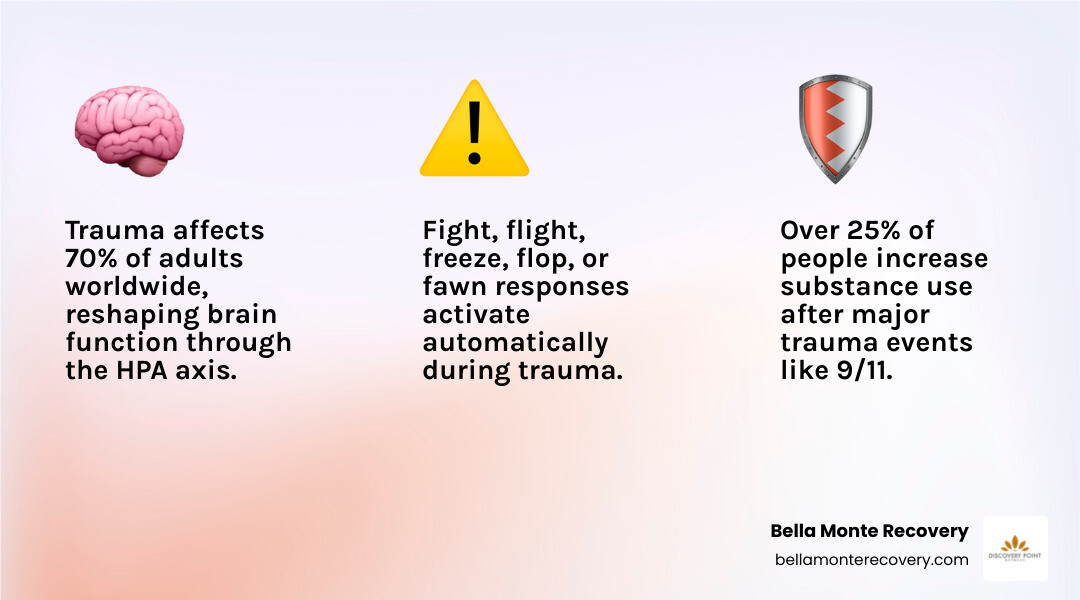
Research shows that traumatic experiences are associated with both behavioral health and chronic physical health conditions, especially when they occur during childhood. In fact, a majority of adults have a history of childhood trauma and maltreatment. After major traumatic events like September 11, 2001, more than a quarter of New York residents who smoked cigarettes, drank alcohol, or used marijuana increased their consumption—demonstrating how trauma drives people toward unhealthy coping mechanisms. Additionally, mental health statistics for first responders highlight the profound impact of cumulative stressors on emotional well-being. This demographic often faces unique challenges, as their exposure to trauma can lead to higher rates of depression, anxiety, and PTSD compared to the general population. Understanding these statistics is crucial for developing tailored support systems that address the specific needs of those who serve on the front lines.
What makes trauma so complex is that it's not about the event itself—it's about how that event affects you. As one trauma survivor described: "I remember looking at pictures of myself around this time and I still feel you can see a fundamental change, the sparkle in my eyes just dims, it's almost as if the light of joy was snubbed out."
If you're reading this because you or someone you love is struggling with the effects of trauma, you're not alone. And importantly, trauma is treatable. With the right support and evidence-based care, healing is not just possible—it's achievable.
To understand trauma mental health, we first have to clear up a common misconception: trauma isn't just a "bad day" or a stressful week at the office. According to the APA Dictionary of Psychology, trauma is any disturbing experience that results in significant fear, helplessness, dissociation, or confusion. It is intense enough to have a long-lasting negative effect on a person’s attitudes and behavior.
At Bella Monte Recovery, we often explain to our clients in Desert Hot Springs that trauma is an injury. Just as a physical wound changes how you move your body, a psychological injury changes how you move through the world. It often challenges your view of the world as a safe, predictable, or just place.
One of the most important things to realize is that trauma has no boundaries. It doesn't care about your bank account, your zip code in Southern California, your gender, or your race. While it is a universal human experience, research shows it is especially common among individuals struggling with mental health and substance use disorders. Finding effective trauma therapy options in California can be a crucial step in the healing process. With a variety of clinics and professionals offering specialized services, individuals are empowered to seek the help they need. These resources aim to create a supportive environment for recovery and personal growth.
Specific groups may experience trauma differently due to sociocultural contexts. For instance, what-are-microaggressions-and-how-are-they-a-form-of-trauma is a question that highlights how systemic issues like racism can create a state of chronic, "slow-burn" trauma. Whether it is a one-time event like a natural disaster or repeated exposure to trauma through domestic violence, the impact is deeply personal.
We all deal with stress—the pressure of a deadline or a flat tire. But trauma is different. While everyday stress might make you irritable for an afternoon, a traumatic injury results in a fundamental change in functioning.
When we talk about trauma mental health, we are looking at an experience that overwhelms your ability to cope. Stress is something you "get through"; trauma is something that gets "stuck" in your nervous system. This "stuckness" is what leads to the negative changes in thinking and mood that characterize trauma-related disorders.
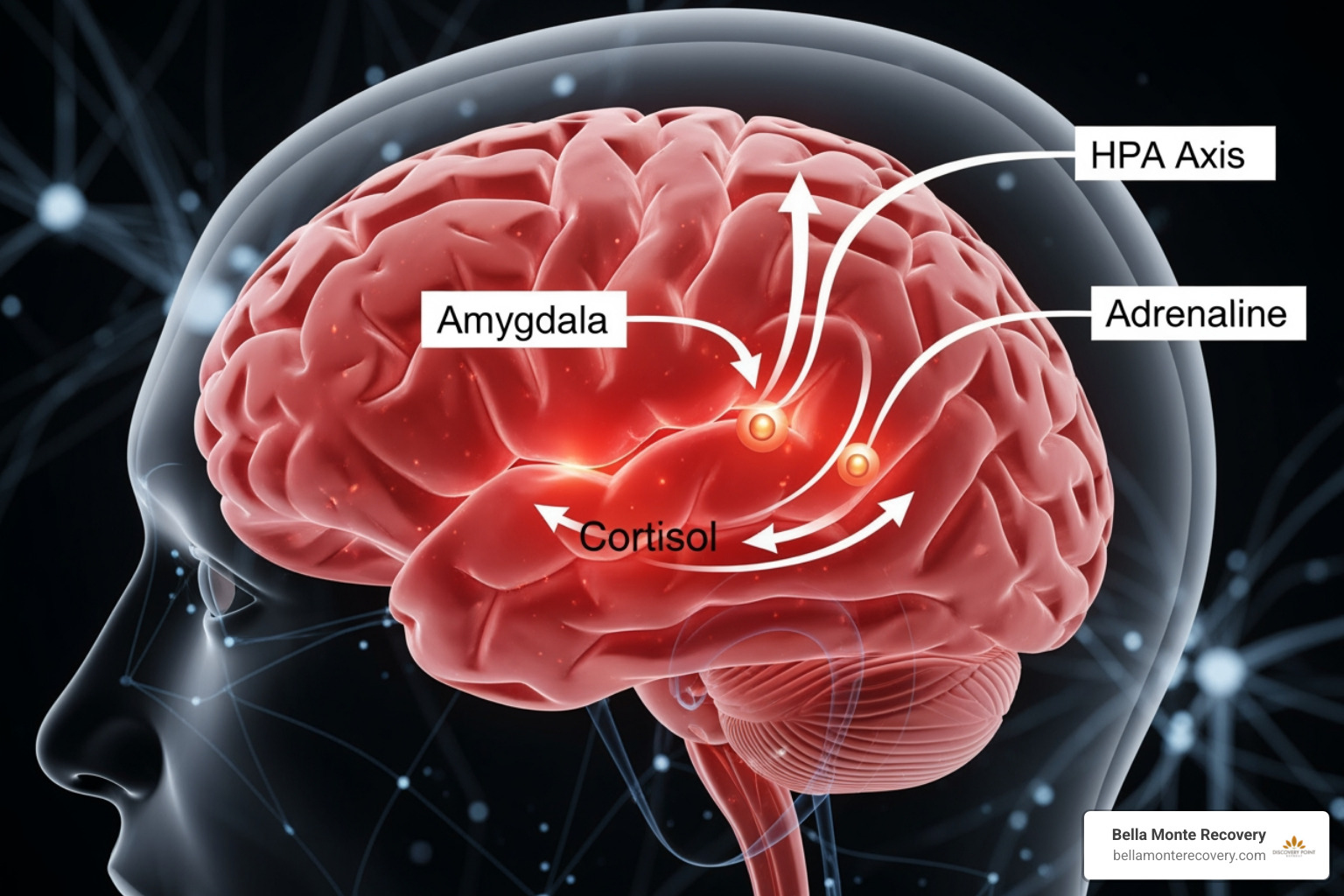
When you face a threat, your brain doesn't stop to ask for your opinion. The limbic system, particularly the amygdala, sounds the alarm. This triggers the HPA (hypothalamic-pituitary-adrenal) axis to flood your body with cortisol and adrenaline. This is a brilliant survival mechanism designed to keep you alive, but in cases of chronic trauma, this system stays "on" long after the danger has passed.
The physical effects of this biological hijacking include:
Most people have heard of "Fight or Flight," but the body actually has a wider menu of survival strategies. We categorize these as the five "F" responses:
Understanding these responses is vital for trauma mental health because it removes the element of shame. You didn't "choose" to freeze; your nervous system chose it for you to ensure your survival.
A trigger is a sensory reminder—a smell, a sound, or even a specific tone of voice—that causes the brain to believe the trauma is happening right now. This can lead to a flashback, where you lose touch with the present moment and re-experience the event.
To manage these, we teach "grounding" techniques. These help engage the parasympathetic nervous system (the "rest and digest" system) to signal to the brain that you are safe. Recognizing-your-trauma-triggers-to-prevent-relapse is a core part of our work at Bella Monte, as it empowers you to stay in the present. Simple mindful breathing—inhaling slowly and exhaling longer than you inhale—is one of the most effective ways to tell your limbic system to stand down.
Trauma rarely travels alone. Because the pain of trauma is so intense, many people develop other mental health challenges as a way to cope or as a direct result of a dysregulated nervous system. This is what we call "dual diagnosis" or co-occurring disorders.
| Experience | Normal Stress Reaction | Trauma-Related Disorder |
|---|---|---|
| Duration | Lasts a few days to weeks | Lasts more than a month |
| Daily Life | Able to function despite stress | Significant impairment at work/home |
| Intrusive Thoughts | Occasional worry about the event | Frequent, uncontrollable flashbacks |
| Avoidance | Avoiding the specific location | Avoiding people, places, and emotions |
There is a massive link between trauma mental health and substance misuse. When you are living with a brain that feels like it’s constantly under attack, it’s natural to want to "turn it off." This is the self-medication hypothesis.
Research shows that people who have experienced trauma are much more likely to increase their consumption of alcohol, tobacco, or drugs. For example, after the Oklahoma City bombing, residents reported double the normal rate of alcohol use. If you are struggling, you can find confidential advice on substance misuse to understand these risks. At Bella Monte, we treat anxiety and depression alongside trauma because you cannot effectively treat one without addressing the other.
Dissociation is a mental "disconnection." It can feel like you are watching your life from a distance or that the world around you isn't real. While it starts as a protective mechanism to help you survive an overwhelming event, it can become a barrier to healing if it persists.
Similarly, emotional numbing—the inability to feel joy, sadness, or anything at all—is a common response. Some people may even develop symptoms that overlap with what-is-bpd (Borderline Personality Disorder), such as intense fears of abandonment or identity confusion, which are often rooted in early interpersonal trauma.
The timing of trauma matters. The landmark Adverse Childhood Experiences (ACE) study proved that traumatic events in childhood—such as abuse, neglect, or household dysfunction—literally change the architecture of the developing brain.
As ACE scores increase, so does the risk for:
Most people experience "acute stress" after a trauma, but for many, these symptoms resolve with time and support. However, when symptoms like intrusive memories, avoidance, and hypervigilance last for more than a month and interfere with your life, it may be diagnosed as ptsd.
According to the DSM-5, PTSD isn't just about "being jumpy." It involves a specific cluster of symptoms:
While standard PTSD often stems from a single event, Complex PTSD (C-PTSD) usually results from repeated, prolonged trauma, often involving interpersonal betrayal (like childhood abuse or domestic captivity). This can lead to deep-seated issues with emotional regulation and a fractured sense of self.
Interestingly, trauma can even be intergenerational. The stress of trauma can be passed down through parenting styles and even epigenetic changes, affecting children and grandchildren. In severe cases, untreated trauma can be misdiagnosed as other conditions, making it vital to distinguish between trauma-related symptoms and disorders like schizophrenia.
The most important message we have for you is this: Trauma is not a life sentence. The brain possesses "neuroplasticity," meaning it can heal and form new, healthy connections. The APA recommendations for PTSD treatment highlight several evidence-based pathways to recovery.
We don't just use "talk therapy" for trauma; we use specialized interventions that address how trauma is stored in the brain and body.
Resilience isn't something you're born with; it's something you build. It involves prioritizing self-care, practicing mindfulness, and, most importantly, leaning on a support system.
Healing also involves addressing the "soul" of the person. This might mean learning how-to-heal-from-spiritual-trauma if your traumatic experience involved a breach of trust in a religious or spiritual community. Community resilience—knowing you are not alone in your struggle—is one of the most powerful predictors of long-term recovery.
At Bella Monte Recovery Center in Desert Hot Springs, we see the incredible strength of the human spirit every day. We believe in a holistic approach to trauma mental health, addressing the mind, body, and spirit in a tranquil environment designed for renewal. Whether you are in Palm Springs or elsewhere in Southern California, our dual diagnosis services are here to help you reclaim your life.
Standard PTSD usually follows a single, shocking event (like an accident). C-PTSD follows long-term, repeated trauma (like years of abuse). C-PTSD often includes additional symptoms like difficulty controlling emotions, feeling permanently damaged or "worthless," and severe challenges in maintaining relationships.
Absolutely. The constant flood of stress hormones can lead to cardiovascular disease, high blood pressure, chronic pain, and a weakened immune system. Trauma survivors often have higher rates of obesity, heart disease, and even a decreased life expectancy if the trauma remains untreated.
The best thing you can do is be present. Listen without judging or trying to "fix" them. Educate yourself about the biology of trauma so you don't take their irritability or withdrawal personally. Encourage them to seek professional help from a trauma-informed provider, but let them choose the timing whenever possible.
Recovery is a journey, not a destination. If you're ready to take the first step, we're here to walk beside you. Trauma may have changed your past, but it doesn't have to define your future.
Trauma therapy California offers a wide range of evidence-based treatment options for individuals healing from PTSD, childhood trauma, sexual abuse, and complex trauma. Whether you're seeking in-person care in Los Angeles, San Francisco, or Desert Hot Springs, or prefer online therapy from the comfort of your home, California has over 500 specialized trauma therapists trained in modalities like EMDR, Somatic Experiencing, and Brainspotting.
Quick Guide to Trauma Therapy in California:
If you're struggling with trauma alongside depression or addiction, you're not alone. Research shows that trauma affects seven key areas of life: emotions, relationships, self-identity, memory, physical health, trust, and worldview. The good news? You don't have to relive every painful detail to heal. Modern trauma therapy uses gentle, research-backed approaches that help you process difficult memories without overwhelming you.
California's diverse mental health landscape means you can find culturally responsive care that honors your unique background and experiences. From intensive multi-day retreats to traditional weekly sessions, the Golden State offers flexible options that fit your schedule and healing needs.
Searching for a therapist can sometimes feel like a part-time job you never applied for. In a state as large as California, the options are plentiful, but finding the "right fit" is essential for deep healing. When we talk about trauma, we aren't just talking about a bad day; we are talking about experiences that overwhelm our ability to cope.
To ensure you are in good hands, look for providers who practice "trauma-informed care." This means the therapist understands the pervasive impact of trauma and integrates this knowledge into every aspect of treatment. They won't just ask "What is wrong with you?" but rather "What happened to you?"
In California, mental health professionals must be licensed by state boards. You can verify a provider through the California Board of Psychology or the Board of Behavioral Sciences. Common credentials include:

Not all therapy is created equal, especially when it comes to the brain's "alarm system." Traditional talk therapy is great for many things, but trauma often lives in the body and the subcortical brain where words can't always reach. This is where specialized modalities come in.
The COVID-19 pandemic changed the landscape of therapy forever. Today, many specialists in Southern California offer both in-person sessions and telehealth.
Whether you choose a digital screen or a physical office, emdr-therapy-and-addiction programs are available throughout the state to help those dealing with dual diagnoses.
Trauma isn't always a single, "big" event like a car accident. Often, it is a series of smaller, repeated events—this is known as Complex PTSD (C-PTSD). This often stems from childhood trauma, neglect, or long-term domestic situations.
Childhood trauma can leave deep wounds that affect our self-worth and adult relationships. Specialists in California work to help you recognizing-your-trauma-triggers-to-prevent-relapse by identifying the "parts" of yourself that are still stuck in the past. We also see many people struggling with the weight of what-are-microaggressions-and-how-are-they-a-form-of-trauma, which can accumulate over time to create a significant traumatic burden.
At Bella Monte Recovery, we believe in a holistic approach. Sometimes, talking isn't enough.
California is a melting pot, and trauma therapy must reflect that.
The "golden" in Golden State shouldn't refer to the price of therapy. While specialized care is an investment, there are several ways to make it accessible.
| Feature | Weekly Therapy Sessions | Intensive Trauma Retreats |
|---|---|---|
| Duration | 50-60 minutes once a week | 3 to 10 consecutive full days |
| Pace | Slow and steady over several months | Rapid processing and symptom reduction |
| Ideal For | Ongoing support and maintenance | Deep-seated trauma needing immediate relief |
| Cost Structure | Per-session fee | Flat program fee |
Many California therapists accept PPO insurance plans as "out-of-network" providers. If cost is a barrier, look for clinics that offer a "sliding scale," which means they adjust their fees based on your income.
Additionally, California offers robust state programs:
The first time you walk into a session for trauma therapy california, you might feel a mix of hope and sheer terror. That is completely normal! Your therapist’s primary goal in the first meeting is not to dive into your darkest secrets, but to build safety.
Absolutely not. In fact, a good trauma therapist will discourage you from "flooding" yourself with traumatic memories before you have the coping skills to manage the distress. The first session is about building a relationship and assessing your needs.
It depends on the type of trauma and the therapy used. Evidence-based protocols like Prolonged Exposure often take about 12 weeks. Complex trauma recovery can take longer, often involving "maintenance sessions" to reinforce new patterns over time.
Yes! Studies have shown that when delivered by a trained specialist using secure platforms, online therapy is just as effective as in-person sessions for PTSD and depression. individual therapy sessions explained often focus on the specific needs of the individual, helping them navigate their unique challenges. By establishing a trusted therapeutic relationship, clients can explore their thoughts and emotions in a safe environment. This personalized approach allows for targeted interventions that can lead to significant improvements in mental health.
Healing is possible, and you don’t have to do it alone. At Bella Monte Recovery, located in the peaceful surroundings of Desert Hot Springs, we provide personalized, evidence-based addiction and mental health treatment. Our holistic plans are designed to address the root causes of trauma and depression, helping you find your way back to yourself.
Whether you are in Palm Springs or elsewhere in Southern California, we are here to support your journey. It’s time to move beyond survival and start truly living. Reclaim your life at our Palm Springs residential rehab and discover the strength that has been inside you all along.
Post-traumatic stress disorder (PTSD) and other operational stress injuries (OSI) are both ubiquitous and harmful within the public safety community. Although recent focus has given rise to increased awareness to mental health issues, barriers to the development of evidence-informed prevention and treatment regimens continue to exist.
Undesirable stigma associated with mental health issues has been a very difficult hurdle for the public safety community. Much progress has been made toward reduction of stigma; however, efforts need to continue in order for mental health to be truly improved for public safety personnel.
Another fundamental barrier to providing meaningful response to the mental health needs of public safety personnel is a true understanding of the detailed nature and scope of the problem. Numbers matter! Until recently, there existed a paucity of reliable data on OSI symptom prevalence and, potentially of equal importance, what differences or similarities exist within the specific public safety communities (e.g., police, EMS, fire, etc.).
Realizing the critical importance of this data, the Canadian Institute for Public Safety and Treatment (CIPSRT) developed a study designed to provide estimates of the prevalence of several mental disorder symptoms and provide explicit comparisons across diverse public safety categories. The results are intended to support a recommended National Action Plan that includes ongoing increasingly robust research.
Background: Partnering with first responder and public safety leadership and associations, CIPSRT is a coast-to-coast multi-university team of top Canadian researchers working with key stakeholders on long-term initiatives to identify the resources required to support the recognition, prevention, intervention and treatment of mental health concerns facing Canadian first responders and public safety personnel.
Method: In this national study, CIPSRT engaged nearly 6,000 participants in an anonymous survey designed to provide critically needed information about OSI symptom prevalence (e.g., symptoms of PTSD, depression, panic) for Canadian public safety personnel. The survey was made available from September 2016 to January 2017, after which estimates of symptom prevalence were derived using well-validated screening measures.
Data were collected using a web-based self-report survey that included measures for screening mental disorder symptom levels that may warrant further clinical attention.
In order to establish a representative sample, participants were grouped into demographic categories (e.g., public safety category, sex, age, marital status, provincial region, ethnicity, education, years of service and urban/rural work location) for comparison, and subsequently compared to the general population using information provided by Statistics Canada.
Results: Substantial portions of the survey participants self-reported symptoms consistent with one or more mental disorders.
In fact, results indicate that 44.5% screened positive for clinically significant symptom clusters consistent with one or more mental disorders. This proportion appears significantly higher than previous research and comparison to diagnostic rates for the general population, in which estimates range near 10.5%.
The study also revealed some significant differences between public safety categories in frequencies of positive screens that warrant further investigation. For example, when comparing the data between paramedics and firefighters, the study found higher rates of PTSD (24.5%), depression (29.6%) and panic disorder (10.3%) among paramedics.
The results also indicated that rates for these same mental health measures were lower for paramedics when compared to corrections officers where PTSD (29.1%), depression (31.1%) and panic disorder (12.2%) were all higher.
Discussion: The study results are an invaluable asset to public safety leadership. The volume of willing participants responding to the survey indicates success in reducing the stigma associated with OSIs-a significant barrier to engaging strategies and allocating resources to support mental health for all public safety personnel.
The study results provide a more comprehensive understanding than previously available of how common symptoms are within the broader public safety realm. Further, identifiable differences and trends among each of the public safety categories have been identified.
This is critically important and novel information for researchers. It will help them develop coordinated plans to improve methods of prevention and treatment of OSIs.