Discover inpatient depression treatment: crisis care, therapies, dual diagnosis, and recovery plans for lasting healing.
Understanding When Intensive Care Is Necessary
Inpatient depression treatment provides 24-hour medical and psychiatric care in a structured hospital or residential setting for individuals experiencing severe depression that cannot be safely managed through outpatient services. When comparing intensive care facilities, here's what you need to know:
Key Factors When Comparing Inpatient Depression Treatment Centers:
| Factor | What to Look For |
|---|---|
| Crisis Stabilization | 24/7 medical supervision, safety protocols, psychiatric evaluation |
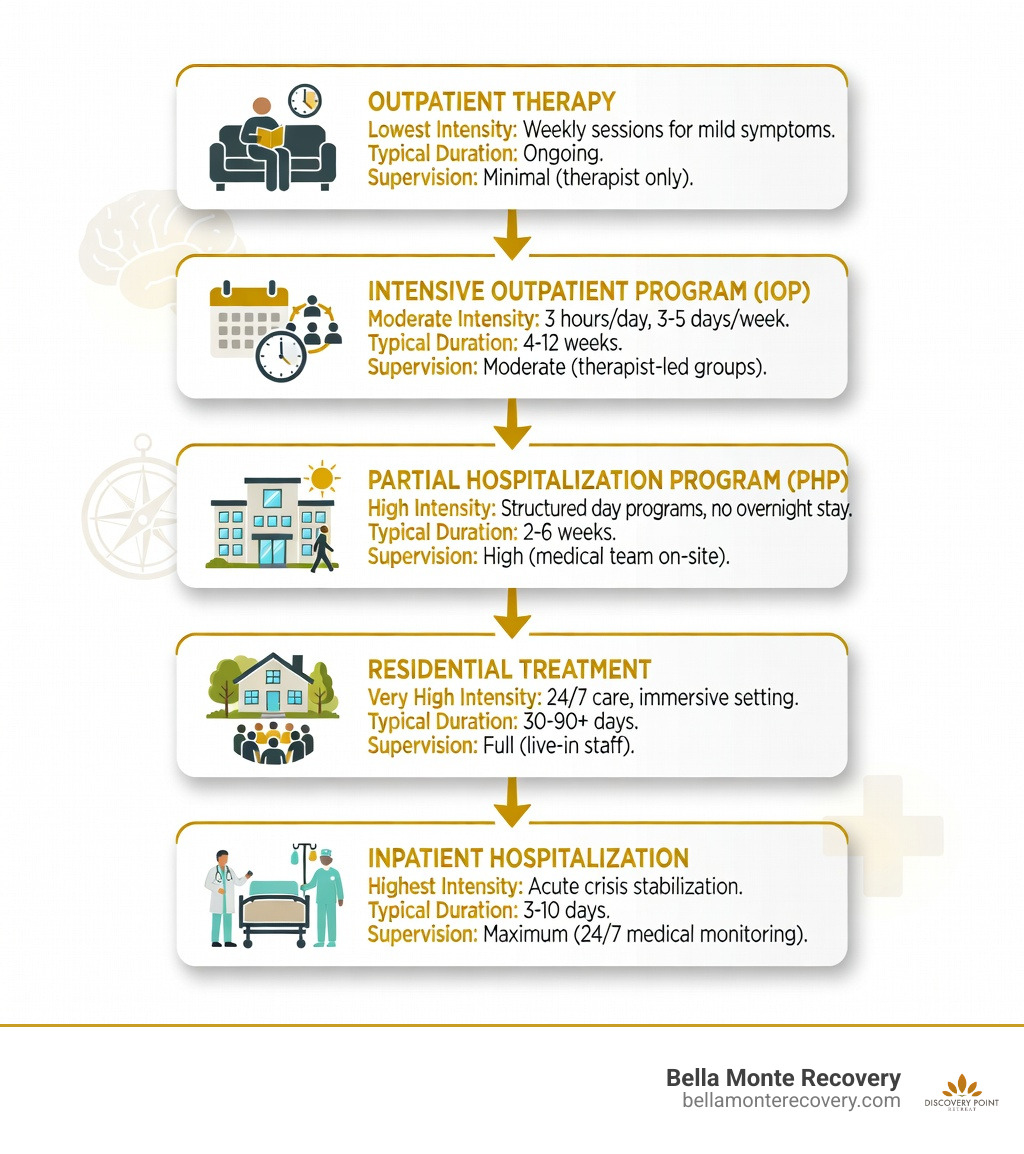
| Treatment Duration | 3-10 days (acute hospital), 30-90+ days (residential programs) |
| Clinical Team | Psychiatrists, psychologists, nurses, therapists, medical physicians |
| Therapeutic Modalities | CBT, DBT, medication management, holistic therapies, family involvement |
| Accreditation | State licensing, JCAHO certification, staff credentials |
| Aftercare Planning | Discharge support, step-down programs (PHP/IOP), relapse prevention |
Depression affects more than just occasional sadness. 8.4% of US adults—around 21 million people—experienced at least one major depressive episode in 2020. For many, outpatient therapy and medication provide sufficient support. But for those experiencing suicidal thoughts, treatment-resistant depression, or severe symptoms that disrupt basic functioning, inpatient care becomes essential.
The distinction between feeling sad and needing hospitalization can be confusing. Inpatient treatment serves those in crisis—when depression creates an immediate safety risk or when symptoms are so severe that eating, sleeping, or basic self-care becomes impossible. It's also the appropriate level of care when co-occurring disorders like substance use complicate recovery, or when previous treatment approaches haven't worked.
Understanding your options helps you make informed decisions during what may be the most difficult time. Whether you're considering care for yourself or a loved one, knowing what different facilities offer, how admission works, and what to expect during treatment removes some of the fear from taking this courageous step.
What is Inpatient Depression Treatment and Who is it For?
When we talk about Inpatient depression treatment, we are referring to the highest level of clinical care available for mental health. It is designed for individuals who have reached a point where their depression is no longer manageable in a traditional home environment. Think of it as a "sanctuary of stabilization"—a place where the noise of the outside world is silenced so you can focus entirely on healing under the watchful eye of a professional medical team.
But how do you know if this level of care is right for you or your loved one? We often see people wonder, can you go to rehab for depression? The answer is a resounding yes. Inpatient care is specifically for those facing:
- Crisis Situations: This includes active suicidal ideation or plans to harm oneself or others.
- Treatment-Resistant Depression: When multiple medications and outpatient therapies have failed to provide relief.
- Functional Impairment: An inability to perform basic daily tasks, such as eating, bathing, or sleeping, due to severe lethargy or despair.
- High-Functioning Depression: Some people manage to go to work but spend every other waking moment in a state of exhaustion and hidden agony.
- Atypical Depression: Affecting about 15% of patients, this involves mood reactivity (feeling better temporarily when something good happens) but still suffering from heavy limbs and oversleeping.
Statistics show that 1 in 15 adults (6.7%) experience depression each year, and 1 in 6 people will face it during their lifetime. Research suggests women are at a higher risk, with 1 in 3 women experiencing a major depressive episode in their life. Recognizing the warning signs of suicide is critical; if these signs are present, immediate 24-hour supervision in an inpatient setting is often the safest course of action.
Navigating the Admission Process and Daily Life in Treatment
The idea of "checking in" can be intimidating, but we want to assure you that the process is designed to be supportive, not scary. When you arrive at a facility in Southern California, the first step is a comprehensive psychiatric evaluation and intake assessment. This isn't just paperwork; it’s our way of understanding your unique story, your medical history, and your specific symptoms to build a personalized roadmap for your recovery.
Once admitted, you’ll find a highly structured daily routine. Structure is actually a form of medicine for a depressed brain—it removes the "decision fatigue" that often keeps people stuck in bed. A typical day involves:
- Morning Check-ins: Meeting with your multidisciplinary team (psychiatrists, nurses, and therapists).
- Therapeutic Sessions: A mix of individual and group therapy.
- Wellness Activities: Time for movement, art, or mindfulness.
- Medication Management: Consistent monitoring of how you are responding to your prescriptions.
You might wonder, what happens during hospitalization? Essentially, you are placed in a safe environment where harmful objects are removed, and support is available 24/7. The duration of stay varies. Acute hospital-based stays are often shorter, lasting 3 to 10 days for stabilization. However, many people find that understanding residential treatment opens the door to longer-term care. Residential programs often last 30 days or more, allowing for deeper work once the initial crisis has passed.
Specialized Inpatient Depression Treatment Modalities
In an inpatient setting, we utilize a "toolbox" of evidence-based therapies. While talk therapy is a staple, intensive programs offer much more.
- Cognitive Behavioral Therapy (CBT): The gold standard for depression, helping you challenge and rewire negative thought patterns.
- Dialectical Behavior Therapy (DBT): Excellent for emotional regulation and managing intense distress.
- Creative Outlets: We often explore how art therapy helps depression by allowing patients to express emotions that words can't quite capture.
- Interventional Psychiatry: For severe cases, specialized centers may offer Electroconvulsive Therapy (ECT), Transcranial Magnetic Stimulation (TMS), or Ketamine and Esketamine treatments. These can be life-changing for those with treatment-resistant symptoms.
For those interested in the cutting edge of medicine, some facilities participate in Mayo Clinic clinical trials, providing access to emerging therapies for mood disorders.
Patient Rights and Safety in Inpatient Depression Treatment
Your rights do not disappear when you enter a treatment facility. In fact, they are protected by law. Most admissions are voluntary, meaning you make the courageous choice to seek help. Even in voluntary cases, the facility must ensure you are safe before discharge.
- Informed Consent: You have the right to know about your treatments and their potential side effects.
- Right to Refuse: Except in emergency situations where safety is at risk, you generally have the right to refuse specific tests or medications.
- Privacy: Your information is protected under HIPAA and mental health regulations.
- Advocacy: Every state has civil commitment laws and protection systems to ensure patients are treated fairly and ethically.
Addressing Co-occurring Disorders and Medication Management
It is very common for depression to bring "uninvited guests" like anxiety or substance use. When someone struggles with both, we call it a dual diagnosis care scenario. Many people try to "self-medicate" their depression with alcohol, but because alcohol is a central nervous system depressant, it ultimately makes the depression much worse.
In an inpatient setting, we can address both simultaneously. This might involve a residential substance abuse treatment program that includes medical detox to safely manage withdrawal symptoms while beginning intensive psychiatric care.
Pharmacotherapy, or medication management, is a cornerstone of inpatient care. Because you are under 24/7 supervision, doctors can adjust dosages or switch medications much more quickly and safely than they could in an outpatient setting. This might include "lithium augmentation" for treatment-resistant cases or specific symptom profiling to match the right drug to your specific needs (e.g., choosing a medication that helps with sleep if you have insomnia).
Table: Common Medication Strategies in Inpatient Settings
| Medication Category | Common Examples | Primary Goal |
|---|---|---|
| SSRIs/SNRIs | Fluoxetine, Sertraline, Duloxetine | Standard mood stabilization |
| Atypical Antidepressants | Bupropion, Mirtazapine | Targeting energy, sleep, or appetite |
| Augmentation Agents | Lithium, Atypical Antipsychotics | Boosting the effect of primary antidepressants |
| Anxiolytics | Benzodiazepines | Immediate relief for acute anxiety or agitation |
Planning for Long-Term Recovery and Aftercare
Inpatient treatment is the "jumpstart," but recovery is a lifelong journey. As the saying goes, "Treatment is what gets you well; recovery is what keeps you well." This is why discharge planning begins the moment you are admitted.
We believe that family involvement is a major predictor of success. Depression doesn't just affect the individual; it affects the whole family system. Through family therapy, loved ones learn how to provide support without enabling and how to maintain their own wellness.
A solid aftercare plan often involves "stepping down" to lower levels of care rather than jumping straight back into a high-stress life. This may include:
- Partial Hospitalization Programs (PHP): Full-day treatment while living at home or in a sober living environment.
- Intensive Outpatient Programs (IOP): Treatment for a few hours a day, several days a week.
- Ongoing Therapy: Establishing a relationship with a local therapist for weekly sessions.
Maintaining wellness after hospitalization requires a commitment to a new routine. When choosing a facility in California, look for high staff-to-patient ratios and proper accreditation, as these are indicators of the quality of care you will receive during this transition.
Frequently Asked Questions about Inpatient Depression Treatment
How long does a typical inpatient stay last?
The length of stay is highly individualized. Acute stabilization in a hospital setting typically lasts 3 to 10 days. However, for those needing to build long-term coping skills and address deep-seated trauma or addiction, residential recovery programs usually last 30 to 90 days. The duration depends on the severity of your symptoms and how quickly you respond to treatment.
What is the difference between inpatient and residential care?
While both provide 24/7 support, they feel very different. Inpatient hospitalization is usually in a clinical, hospital-based setting focused on crisis and medical stabilization. Residential care is often in a "home-like" therapeutic environment, focusing on clinical therapy, life skills, and long-term healing. You can learn more about the nuances in our guide on inpatient rehab vs residential care.
Can I admit myself voluntarily to a program?
Yes, and we encourage it! Self-admission allows you to be an active participant in your recovery from day one. You will go through an informed consent process, and in most cases, voluntary patients have the right to request discharge. However, a safety assessment will always be conducted to ensure you are not at immediate risk of harm before you leave. The voluntary hospitalization rights ensure you are treated with dignity throughout the process.
Conclusion
At Bella Monte Recovery, we understand that reaching out for help is a brave and often difficult decision. Located in the peaceful surroundings of Desert Hot Springs and Palm Springs, we provide a sanctuary for those struggling with depression and co-occurring disorders. Our personalized, evidence-based approach combines the best of clinical medicine with holistic recovery plans designed to treat the whole person—mind, body, and spirit.
Whether you are in the midst of a crisis or have been battling a "high-functioning" fog for years, there is hope. Our team in Southern California is dedicated to helping you reclaim your life and build a foundation for lasting wellness.
If you or a loved one are ready to take that first step toward healing, we are here to walk with you. Start your journey at our Desert Hot Springs dual diagnosis program today and discover the support you deserve.