Alcohol withdrawals occur when a heavy drinker stops or reduces their alcohol intake, causing symptoms from mild anxiety to severe, life-threatening conditions.
Understanding these symptoms and seeking timely medical help is crucial for a safe recovery.
This article will guide you through what alcohol withdrawal is, its symptoms, causes, and how to get effective treatment.
Alcohol withdrawal is a condition that arises when a person who has been drinking heavily or for a prolonged period stops or significantly reduces their alcohol intake1
The process of alcohol dependence impacts various neurochemical systems in the brain. Over time, the body adjusts to the constant presence of alcohol, resulting in changes that affect neurotransmitter levels and receptor sensitivity. So, when the alcohol level drops, the body struggles to regulate these systems, causing a range of withdrawal symptoms.
This sudden change in alcohol consumption disrupts the balance of neurotransmitters, particularly GABA and glutamate2, within the central nervous system.
Alcohol acts as a depressant, enhancing the effects of GABA, the primary inhibitory neurotransmitter, which calms the nervous system. When alcohol use is abruptly stopped, the balance shifts, and the nervous system becomes overactive, leading to withdrawal symptoms.
The severity of these symptoms can vary widely, depending on factors such as the duration and amount of alcohol consumption, as well as individual health conditions.

The symptoms of alcohol withdrawal can be both physical and mental3. Mild alcohol withdrawal symptoms, which typically begin 6 to 12 hours after the last drink, can include:
These typical symptoms are often the first indicators that the body is adjusting to the absence of alcohol.
As withdrawal progresses, symptoms can escalate in intensity.
Common withdrawal symptoms during this phase include:
Symptoms typically peak between 24 and 72 hours after alcohol cessation. During this period, they are usually at their worst.
For some individuals, hallucinations may occur within 24 hours of the last drink, indicating a severe level of withdrawal after they have stopped drinking.
Prolonged4 withdrawal symptoms can last for weeks or even months, significantly affecting mood and sleep. These prolonged symptoms can include persistent anxiety, depression, and sleep disturbances. The range of symptoms experienced during alcohol withdrawal varies from person to person, influenced by the severity of alcohol dependence and overall health.
Early identification of alcohol withdrawal signs and prompt medical intervention can prevent complications. Severe symptoms like delirium tremens and alcohol withdrawal seizures require immediate medical attention, as they can be life-threatening.
The causes of alcohol withdrawal are rooted in the brain’s response to chronic alcohol use. When alcohol is consumed regularly and in large amounts, the brain compensates by adjusting its neurotransmitter levels.
Ordinarily, alcohol enhances the effects of GABA, a neurotransmitter that calms the nervous system, and suppresses glutamate, which has excitatory effects. Over time, the brain produces more glutamate to counteract the calming effects of alcohol, leading to a neurotransmitter imbalance5.
Several risk factors that increase the likelihood of experiencing severe alcohol withdrawal include:
If you are struggling with a drinking problem, it may be time to consider ways to stop drinking and address risky drinking behaviors, including unhealthy alcohol use, alcohol abuse, and alcoholism.
Early recognition and addressing these risk factors can aid in managing and reducing the impact of alcohol withdrawal.
Diagnosing alcohol withdrawal syndrome depends largely on a thorough patient history and physical examination.
Key factors in the patient’s history include the amount and duration of alcohol use, as well as the time elapsed since the last drink. This information is crucial for healthcare providers to tailor a safe and effective treatment plan.
A physical examination is essential to check for potential complications such as arrhythmias and liver disease. Evaluating for alcohol-related damage helps in understanding the overall health impact of alcohol use and any related health problems, focusing on:
The Clinical Institute Withdrawal Assessment for Alcohol (CIWA-Ar) is a standardized tool used to assess the severity of withdrawal symptoms, guiding treatment decisions.
Accurate diagnosis and comprehensive history reporting are crucial for safely managing alcohol withdrawal syndrome.
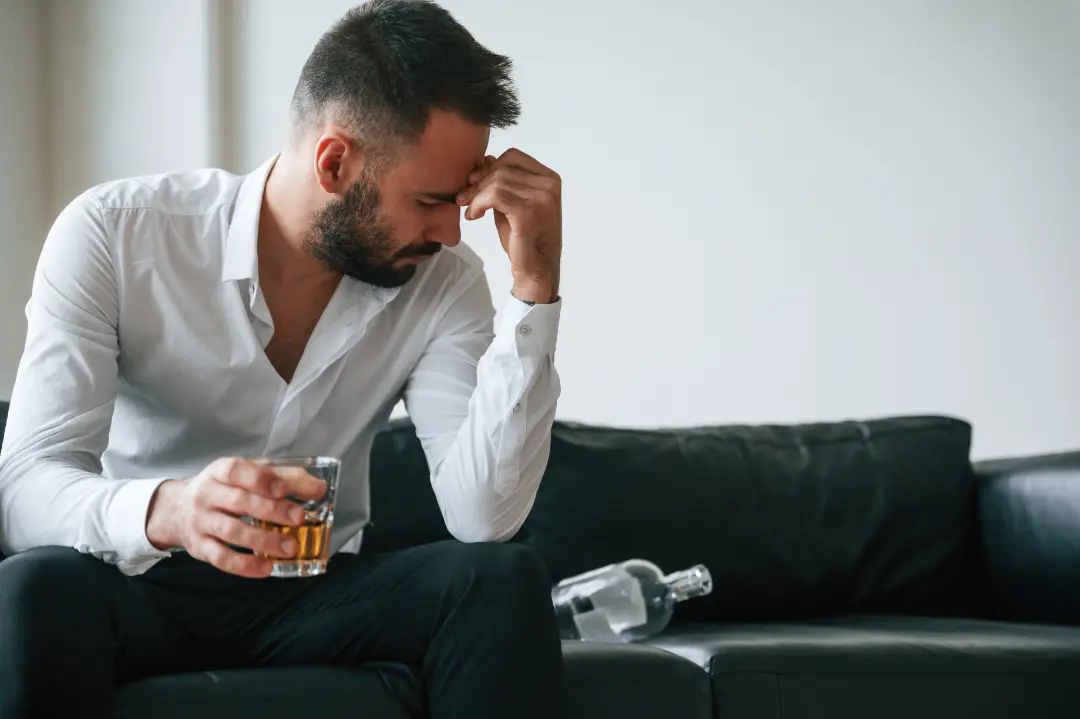
Treating alcohol withdrawal requires a multi-faceted approach, tailored to the severity of the symptoms. For mild withdrawal symptoms, outpatient care can be effective, allowing individuals to receive medical support while remaining at home.
However, severe cases often necessitate inpatient treatment, where patients can be closely monitored and provided with intensive care.
Therapy programs form the foundation of effective addiction treatment. Therapies commonly used include:
Medications play a crucial role in managing alcohol withdrawal symptoms. Commonly used medications include benzodiazepines, such as chlordiazepoxide and lorazepam6, which help to lessen withdrawal symptoms and prevent seizures. Gabapentin7 is another medication that can be used to alleviate withdrawal symptoms, particularly in mild to moderate cases.
Thiamine, a form of vitamin B1, is often administered to address nutritional deficiencies in patients undergoing alcohol withdrawal treatment. This nutritional support is essential to prevent complications such as Wernicke’s encephalopathy, a serious neurological condition that can occur in chronic alcohol users.
The use of these other medications allows healthcare providers to effectively manage withdrawal symptoms and support overall health during recovery.
Medical detoxification is essential for individuals experiencing severe alcohol withdrawal symptoms. This process involves close monitoring of vital signs to prevent complications such as seizures and delirium tremens. In severe cases, a medical emergency may necessitate treatment in an intensive care setting to ensure patient safety and provide immediate medical intervention if needed.
Patients undergoing medical detox receive continuous care and support to manage withdrawal symptoms and stabilize their condition. This medical help intensive care unit approach is vital for preventing life-threatening complications and ensuring a safe transition through moderate withdrawal, which is monitored closely.
If you or a loved one is experiencing alcohol withdrawal or struggling with alcohol dependence, we want you to know that you are not alone, and help is within reach. At Bella Monte Recovery, our compassionate team offers expert medical detox and personalized care in a peaceful, private setting. Reach out today and let us support you on your path to healing and long-term recovery.
At Bella Monte Recovery Center, we provide medically supervised drug and alcohol detox in Desert Hot Springs that prioritizes your comfort, safety, and dignity at every stage of recovery. Located in serene Desert Hot Springs, our facility offers 24/7 clinical care, expert medical oversight, and a trauma-informed approach to detoxification.
We understand the physical and emotional toll of alcohol withdrawal and are here to help you manage symptoms with compassion and expertise.
Our program is designed not only to stabilize your body but also to nurture your mind and spirit with holistic therapies, trauma support, and personalized care plans.
We believe that healing begins with connection, and our supportive staff will walk with you through every step of the detox process and beyond. Call 855-931-2455 today or email admissions@bellamonterecovery.com to start your journey to freedom from alcohol.
Detox is only the first step in a much bigger journey, and at Bella Monte, we make sure that journey is deeply supported and thoughtfully guided. After detox, our residential treatment options help uncover the root causes of alcohol addiction while teaching healthy coping tools to rebuild your life from the inside out.
With individual and group therapy, family involvement, and holistic support, our care goes beyond symptom relief; it creates real transformation.
Whether you're coming to us after years of alcohol use or are recognizing a growing dependence, we welcome you with open arms and zero judgment. You deserve a chance at the healthy, peaceful life you envision, and we’re here to help you create it.
No matter how long you’ve struggled with alcohol, change is possible. Our team will provide you with compassionate care that meets you where you are.
Our team understands the complexities of addiction and is committed to creating an individualized plan that supports your recovery every step of the way.
With our holistic treatment model and serene California setting, you can begin to heal physically, emotionally, and spiritually. Our goal is to empower you to find your voice again, reclaim your strength, and live the sober life you deserve. Reach out now—your future starts with one brave step.

Long-term recovery from alcohol dependence requires ongoing support and a comprehensive aftercare plan. Aftercare services include:
All of these play a vital role in maintaining sobriety and preventing relapse. These services help individuals transition back to everyday life while providing the necessary support to navigate challenges that may arise during recovery.
Participation in long-term rehabilitation programs can also help in maintaining sobriety over time. These programs incorporate ongoing care to help individuals stay committed to their recovery journey, including resources like Alcoholics Anonymous and stopping drinking.
Common symptoms of alcohol withdrawal include anxiety, insomnia, gastrointestinal discomfort, trembling, excessive sweating, heart palpitations, and confusion. In severe cases, individuals may experience hallucinations, seizures, or delirium tremens.
Alcohol withdrawal syndrome is diagnosed through a comprehensive patient drinking history and physical examination, focusing on alcohol use patterns and the time since the last drink.
Additionally, the Clinical Institute Withdrawal Assessment for Alcohol (CIWA-Ar) tool helps evaluate the severity of withdrawal symptoms.
Effective treatment options for alcohol withdrawal include outpatient care for mild symptoms and inpatient treatment for severe cases, utilizing medications like benzodiazepines and gabapentin to alleviate withdrawal symptoms.
Medical detox is essential in more severe instances to mitigate potential complications.
Aftercare is essential in alcohol withdrawal treatment as it provides ongoing support, counseling, and a structured environment to help individuals maintain their sobriety and successfully reintegrate into daily life. This continuous support significantly reduces the risk of relapse.
Choosing Bella Monte Recovery Center ensures a holistic and comprehensive approach to alcohol withdrawal treatment, backed by experienced clinicians and a supportive environment.
Recognizing the symptoms of alcohol withdrawal early, understanding the underlying causes and risk factors, and seeking appropriate medical intervention are crucial steps in managing alcohol withdrawal effectively.
Treatment options vary from outpatient care for mild symptoms to intensive inpatient treatment for severe cases, with medications playing a key role in managing withdrawal symptoms.
Long-term recovery and support are essential for sustaining sobriety and preventing relapse. Bella Monte Recovery Center offers a holistic and comprehensive approach to addiction treatment, providing a supportive environment and personalized care plans to help individuals achieve and maintain long-term recovery.
By addressing the root causes of addiction and offering continuous support, we ensure that individuals have the tools and resources they need to build a healthier, sober life.
The information presented in this article is intended solely for educational and informational purposes and does not constitute medical advice, diagnosis, or treatment.
Bella Monte Recovery Center™ does not offer clinical recommendations or guarantees of outcomes based on this content. Alcohol withdrawal can pose serious, even life-threatening health risks, and individuals experiencing symptoms should seek immediate care from licensed healthcare professionals. Always consult a qualified physician or treatment provider before making any decisions regarding your health or substance use.
While we strive to provide accurate and up-to-date information, Bella Monte Recovery Center™ assumes no responsibility for any actions taken based on the content of this article.
Reading this content does not establish a patient-provider relationship with Bella Monte Recovery Center™. For professional assessment or assistance, please contact our team directly at 855-931-2455.
Suboxone is a prescription medication used to treat opioid dependence and addiction. It combines two active ingredients, buprenorphine, a partial opioid agonist that helps reduce cravings and withdrawal symptoms, and naloxone, an opioid antagonist that helps prevent misuse.
Together, they offer a safer, more controlled path to recovery. In this article, we will cover what Suboxone is, how it works, its benefits and potential side effects, and how it's used in medication-assisted treatment for opioid addiction.
Suboxone1 is a cornerstone in medication-assisted treatment (MAT) for opioid use disorder, offering a combination of buprenorphine and naloxone to tackle the dual challenges of managing cravings and preventing misuse.
The primary components, buprenorphine and naloxone, work synergistically to provide effective treatment while minimizing the risk of abuse. Buprenorphine, a partial opioid agonist, alleviates withdrawal symptoms and reduces cravings, whereas naloxone, an opioid antagonist, discourages misuse by triggering withdrawal symptoms if suboxone is abused.
Unlike full opioid agonists, Suboxone does not produce the euphoric high typically associated with opioids, making it a safer option for long-term management of opioid use disorder.

Buprenorphine2 is classified as a partial opioid agonist, meaning it activates opioid receptors in a controlled manner. By binding to the mu opioid receptors in the brain, buprenorphine produces weaker effects compared to full opioid agonists, such as heroin or morphine.
This partial activation helps to alleviate withdrawal symptoms without inducing the intense highs that lead to misuse and dependency.
Furthermore, buprenorphine’s unique properties allow it to level off at moderate doses, reducing the risk of misuse and dependency. This controlled activation stabilizes the patient’s condition, making buprenorphine a crucial element in Suboxone treatment for opioid dependency.
Naloxone3, the second component of Suboxone, is an opioid antagonist that blocks the effects of opioids in the brain. Its primary purpose in Suboxone is to prevent misuse; if Suboxone is injected or snorted, naloxone will precipitate withdrawal symptoms, discouraging such behavior.
This deterrent effect makes Suboxone a safer and more effective treatment option for opioid dependency. Additionally, opioid antagonists like naloxone play a crucial role in addressing opioid misuse.
Incorporating naloxone helps mitigate the risk of drug abuse, ensuring Suboxone is used as intended within a medically supervised treatment plan.
Suboxone is pivotal in treating opioid dependency, serving as a key component in comprehensive strategies for opioid use disorder.
Alleviating withdrawal symptoms and reducing cravings, it helps individuals focus on recovery activities without the constant struggle against physical dependence.
The effectiveness of buprenorphine and naloxone treatment is enhanced when combined with counseling and behavioral therapy, helping patients address the underlying issues of their addiction2.
This holistic approach ensures that patients receive the support they need to identify and manage triggers that could lead to relapse. The following subsections will delve into how Suboxone reduces withdrawal symptoms, suppresses opioid cravings, and stabilizes brain chemistry.
One of the most challenging aspects of overcoming opioid addiction is managing withdrawal symptoms. Suboxone helps to alleviate these symptoms, making the detox process more tolerable for patients.
Unlike full opioids, Suboxone provides relief from withdrawal without producing an intense high, allowing individuals to maintain normal functioning during treatment.
The effects of Suboxone can last for 24 to 48 hours, providing sustained relief from withdrawal symptoms and supporting patients throughout their detox journey. This extended duration aids in the gradual reduction of withdrawal symptoms over time, making Suboxone an effective treatment option for those undergoing medically supervised withdrawal.
Suboxone’s formulation is designed for steady release, which effectively reduces both withdrawal symptoms and opioid cravings. This steady relief helps individuals maintain focus on their recovery activities without the constant distraction of intense cravings. Suboxone decreases the urge to use opioids, playing a crucial role in helping individuals stay committed to their treatment plan and recovery goals.
The long duration of Suboxone in the body ensures that patients receive consistent support in managing their cravings, making it easier to adhere to their recovery plan and avoid relapse. This suppression of cravings is a key benefit that sets Suboxone apart from other treatment options.
Stabilizing brain chemistry is essential for promoting stable recovery from opioid dependency. Suboxone helps achieve this by regulating neurotransmitter activity, which is often disrupted by opioid use.
This stabilization allows individuals to regain control over their lives and establish healthier routines, which are vital for long-term recovery success.
Patients can remain on Suboxone during the maintenance phase for months or even years, depending on their recovery needs and goals. This flexibility ensures that individuals receive the necessary support to maintain stability in their brain chemistry and overall recovery journey.
While there is no particular structure to follow, suboxone treatment can progress through three distinct phases, each designed to address different aspects of recovery:
This structure ensures that patients receive the appropriate care at each stage of their treatment journey.

The induction phase is the first step in Suboxone treatment, where the medication is administered during the early stages of opioid withdrawal. Key points include:
The first dose of Suboxone is carefully determined by the prescribing clinician and adjusted based on the patient’s response. This phase is critical in ensuring that patients transition smoothly into treatment without exacerbating withdrawal symptoms.
During the stabilization phase, the goal is to find the lowest effective dose of Suboxone that maintains stable recovery. This phase involves fine-tuning the dosage to effectively manage withdrawal symptoms and cravings without significant side effects. Factors influencing dosage adjustments include:
Doctors may also recommend counseling and behavioral therapy to support the patient’s recovery alongside medication management. This integrated approach helps patients develop healthier coping mechanisms and address the psychological aspects of addiction.
The maintenance phase focuses on achieving long-term recovery goals, with patients continuing Suboxone treatment to support their stable recovery.
During this phase, individuals work with their healthcare providers to maintain a steady intake of Suboxone and gradually taper off the medication if desired. This gradual tapering is done under close medical supervision to avoid abrupt cessation and withdrawal symptoms.
Consulting with a medical provider before discontinuing Suboxone is essential to ensure a smooth transition and prevent relapse. The maintenance phase is crucial for supporting individuals in their long-term recovery journey and helping them achieve sustained sobriety.
Suboxone treatment offers numerous benefits for individuals struggling with opioid addiction:
Participants in medication-assisted treatment with Suboxone often experience an improved quality of life, including better mental health and stronger personal relationships.
By stabilizing brain chemistry and regulating neurotransmitter activity, Suboxone helps individuals regain control and establish healthy routines, which are essential for long-term recovery.
While Suboxone provides stability without intoxication, allowing patients to function normally during treatment, it is not without side effects.
Patients receiving Suboxone treatment may experience common side effects4 such as nausea, constipation, and dizziness. Other potential side effects include headaches, sweating, and swelling in the extremities. It is important for patients to be aware of these side effects and communicate with their healthcare provider if they experience any discomfort.
Understanding and managing these common side effects allows patients to continue their recovery journey with minimal disruption to their daily lives.
Combining Suboxone with therapy in medication-assisted treatment (MAT) is a proven approach to treating opioid addiction. This integrated method addresses both the physical and psychological aspects of addiction, significantly enhancing the effectiveness of the treatment. Reducing opioid dependence and developing healthier coping mechanisms help patients achieve a more comprehensive and lasting recovery.
Opioid addiction can feel like a trap, physically exhausting, emotionally draining, and nearly impossible to break on your own. At Bella Monte Recovery Center, we help you with our drug and alcohol detox program in Desert Hot Springs, CA.
Whether you're battling an addiction to Lean, prescription painkillers, or other opioids, our top priority is your safety and stability.
In our peaceful Desert Hot Springs facility, our clinical team will guide you through detox with 24/7 support, through a comprehensive treatment plan, while ensuring comfort and compassion without judgment or shame. But detox is only the start.
We treat the whole person, not just the symptoms. Our comprehensive treatment program includes therapy, mental health support, trauma resolution, and holistic healing methods designed to help you rebuild from the inside out. You'll be surrounded by a supportive community that understands what you're going through and is dedicated to helping you thrive.
You don’t have to face addiction alone. Call 888-964-5373 today to begin the real recovery.
The combination of therapy and Suboxone significantly boosts the likelihood of sustained recovery. At Bella Monte Recovery Center, we offer treatment solutions designed around healing the root causes of addiction with innovative therapies such as EMDR and CBT.
This comprehensive approach ensures that patients receive the support they need to achieve lasting recovery.
We provide a full continuum of addiction and mental health care, from medically supervised detox to long-term residential treatment and continuing aftercare. With continuous, coordinated support at every stage of the recovery journey, patients can build a strong foundation for a stable and fulfilling life free from opioid dependency. Contact us today to learn more.
Suboxone is a medication used to treat opioid use disorder, containing buprenorphine to reduce withdrawal symptoms and cravings, and naloxone to deter misuse by inducing withdrawal if abused. This combination helps individuals manage addiction effectively while minimizing the risk of misuse.
Suboxone treatment consists of three distinct phases: induction, stabilization, and maintenance. Each phase plays a crucial role in addressing withdrawal symptoms, determining an effective dosage, and supporting long-term recovery.
Common side effects of Suboxone include nausea, constipation, dizziness, headaches, sweating, and swelling in the extremities. It is important to monitor these effects and consult a healthcare professional if they persist.
Suboxone helps reduce opioid cravings by providing a steady release that alleviates withdrawal symptoms, thereby enabling individuals to concentrate on their recovery. This dual action fosters a more manageable transition away from opioid dependence.
Suboxone is a powerful tool in the fight against opioid addiction, offering a comprehensive approach to treatment that addresses both the physical and psychological aspects of dependency. By alleviating withdrawal symptoms, suppressing cravings, and stabilizing brain chemistry, Suboxone helps individuals focus on their recovery and achieve long-term sobriety.
With a dedicated team of professionals and a commitment to addressing the root causes of addiction, Bella Monte provides a supportive environment for sustainable long-term recovery.
The content provided in this article is intended for general informational and educational purposes only and should not be construed as medical advice, diagnosis, or treatment.
Bella Monte Recovery Center™ does not provide clinical or medical recommendations via this article and does not assume liability for any reliance placed on the information herein.
Suboxone and other medication-assisted treatments must only be administered under the direct supervision of a licensed medical professional. Do not start, stop, or alter any medical treatment based on this content without first consulting a qualified healthcare provider.
The mention of Suboxone or any other medical interventions in this article does not imply endorsement or guarantee of results. Individual treatment outcomes vary based on personal circumstances, co-occurring conditions, and clinical assessments.
Reading this article does not establish a doctor-patient or provider-client relationship with Bella Monte Recovery Center™, nor does it constitute a formal medical evaluation. For professional help with opioid use disorder, please contact a licensed physician or call 888-964-5373 to speak with our admissions team. If you are experiencing a medical emergency, call 911 immediately.